









Leech Lake: A Minnesota Gem Bursting with Multi-Species Fishing Opportunities
A Fishery for All Seasons
Some lakes are famous for one iconic species, but every once in a while, an exceptional body of water comes along that holds strong populations of multiple gamefish. Leech Lake near Walker, Minnesota, is one such gem. Long revered for its legendary walleye and muskie fishing, Leech Lake has also quietly been developing into a premier smallmouth bass destination—a fact that’s beginning to draw serious attention from multi-species anglers.
Over the past few years, the smallmouth bass population on Leech Lake has surged, complementing the already outstanding walleye and muskie fisheries. This rise has turned the lake into a rare opportunity zone—an angler’s paradise where multiple trophy-caliber fish can be targeted within the same trip. On this particular outing, Al and Nick Lindner explore the lake in spring, chasing both walleyes and smallmouth bass with a variety of tactics and uncovering an explosive, multi-species bite.
A Tale of Two Titans: Smallmouth and Walleye
The day starts off strong with a nice walleye, quickly followed by a chunky smallmouth bass—Nick’s first fish of the day and a sign of things to come. The lake’s expanding smallmouth population, in particular, has become a standout feature. According to Al, like many lakes across the U.S., Leech’s smallmouth population experienced a boom after the introduction of invasive mussel species like zebra and quagga mussels, which have drastically improved water clarity.
On a broad rock flat, Nick puts side imaging to good use, targeting individual boulders—key structure elements where fish tend to concentrate. From his position in the back of the boat, Nick capitalizes on this technology by lining up casts right onto those rocks, producing multiple quality smallmouth bass. It’s a textbook example of how modern electronics and targeted casting can unlock a lake’s true potential.
Conservation-Minded Angling
While catching these bronze-backed fighters is undeniably exciting, both Al and Nick stress the importance of catch-and-release, especially for smallmouth bass in developing fisheries like this one. These fish have the potential to elevate Leech Lake into a nationally recognized bass destination, and careful management by anglers can help ensure that future.
The action continues, with smallmouth after smallmouth being caught off isolated rock piles. The calm, sunny conditions might be making the walleyes a little finicky, but the smallmouths are more than willing to pick up the slack.
The Mussel Effect: Changing Fisheries Across the North
The zebra mussel invasion has had mixed effects on freshwater ecosystems. While they often pose a threat to native species and infrastructure, their tendency to clarify water bodies has shifted fish behavior and habitat preferences. In the case of smallmouth bass, the result has often been positive, creating conditions in which these fish thrive.
Walleyes and smallmouths have both shown impressive adaptability in the face of these environmental changes. Clearer water means changes to traditional structure, weedline development, and forage behavior, but the fish are responding—and in many cases, flourishing. In Al’s words, “something wins, something loses,” and right now, smallmouth bass are winning across the board in many northern lakes.
Walleye Action and Light Plastics
Eventually, the guys dial in a nice walleye while rip-jigging with a 1/8-ounce jig tipped with a four-inch plastic, casting up into four feet of water. This finesse-style tactic is especially effective early in the season when fish remain shallow before transitioning to deeper summer haunts. According to Nick, this is a classic springtime scenario they find themselves repeating year after year.
With each fish, the duo reflect on the changing identity of lakes like Leech. What was once primarily “walleye country” is now home to burgeoning bass fisheries as well. Lakes like Mille Lacs, Leech, and Vermilion are all showing similar trends—clearer water, healthier bass populations, and more options for anglers who enjoy chasing a mixed bag.
Expert Insights from Leech Lake Veterans
To get a deeper understanding of these shifts, the Lindners reached out to local experts who’ve spent years studying and fishing Leech Lake. Brian “Bro” Brosdahl, one of Minnesota’s top panfish anglers, emphasized Leech’s outstanding populations of jumbo perch, bluegills, and crappies. He noted that while zebra mussels are present, full water clarity hasn’t set in yet. When it does, expect vegetation to grow deeper and weed lines to shift accordingly—meaning anglers will need to adapt their strategies with lighter line and increased stealth.
Toby Kovaljevog, an avid muskie angler, reported minimal changes so far in Walker Bay—a deep, clear part of Leech—but acknowledges that clearer water and wind-driven conditions will become more of a factor, especially for low-light muskie bites.
Finally, veteran guide Tom Neustrom shared a grounded perspective: while Leech Lake has seen its share of invasives—milfoil, rusty crayfish, and zebra mussels—none of them have significantly hurt the fishing yet. In fact, he emphasized that there are still plenty of fish to be caught across a range of species.
Slot Limits, Conservation, and Trophy Potential
The conversation on the boat shifts briefly to the topic of slot limits—a regulatory measure used by fishery managers to protect certain size classes of fish while allowing sustainable harvest. On Leech Lake, like many other productive Minnesota waters, slot regulations are in place for walleyes. While some anglers hold mixed opinions about them, Al and Nick appreciate the balance slot limits bring.
Slot regulations allow more fish to grow to maturity, resulting in better opportunities for trophy catches like the “King Kong” walleye Nick soon hooks into—a true brute that had everyone scrambling. Big walleyes like this not only thrill anglers but also play an important ecological role in maintaining healthy fish populations. On the other hand, small eater-sized walleyes remain an important draw for those seeking a shore lunch. Slot limits help maintain this balance.
Leech Lake: A Natural “Jig Lake”
When it comes to presentations, Al emphasizes that Leech Lake is a classic “jig lake.” While some lakes are better suited for trolling boards or spinner rigs, Leech lends itself well to jigging—whether you’re chasing walleyes or smallmouth. From early season shallow-water bites to deeper mid-summer structure fishing, jigging remains the go-to tactic here. And it’s not just productive—it’s fun. Few methods match the thrill of detecting a subtle bite and driving the hook home on a big fish.
A Double Shot of Action: Walleyes and Smallmouth on the Same Spot
Back on the water, the duo continues to hook into impressive smallmouth bass. Al and Nick are targeting a rocky reef using light jigs paired with soft plastics. Al’s advice? Smallmouths love rocks—and so do walleyes. In spring, both species often share the same habitat, albeit for different reasons. Smallmouths use rock reefs for spawning. Walleyes are chasing bait—namely, spawning perch and spot tail shiners.
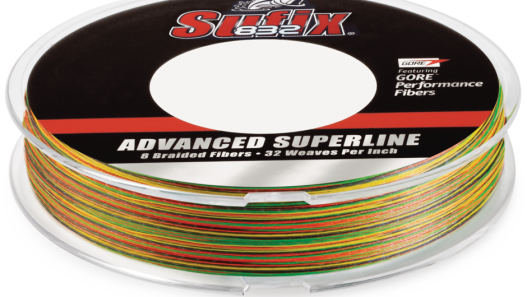
Nick explains his rig: a 6’8″ medium-power, extra-fast action St. Croix Legend Elite spinning rod paired with a Daiwa Ballistic reel, loaded with 10-pound Sufix 832 braid and a three-foot fluorocarbon leader. This setup offers both sensitivity and power—perfect for feeling light bites and handling aggressive fish in shallow, rocky cover.
Baits That Pull Double Duty
When fishing these shared structures, bait selection matters. Nick highlights some key jig options:
- VMC Moon Eye Jig: Known for its darting action and large eye, this jig is versatile enough to be fished aggressively or swam steadily.
- VMC Bucktail Jig: Excellent with or without a soft plastic trailer, and its oval head offers stability and balance—both smallmouth and walleyes love the natural presentation of hair jigs.
- VMC Sleek Jig: The newest in the lineup, designed with a TechSet hook that ensures deep penetration and holds fish better once hooked.
For soft plastics, two types dominate:
- Boot Tail: Great for a swimming retrieve—ideal for active smallmouth bass.
- Split Tail: Shines in a vertical or hopping presentation, best when you’re popping the jig off the bottom for walleyes.
This dual-species compatibility makes spring an especially rewarding time to be on the water.
Understanding the Shallow Bite
As Nick and Al continue to fish shallow, they experience firsthand how productive skinny water can be in spring. One particularly aggressive walleye comes from just four feet of water, chasing a plastic jig aggressively. These are the kinds of fish most people associate with low-light or nighttime trolling, but here they are—in broad daylight—ambushing baitfish on shallow rock.
The key? Spawning forage. After walleyes finish spawning, their focus shifts to feeding. First it’s perch, and then comes the main event: spot tail shiner spawn. Walleyes flock to these areas in numbers, taking advantage of the baitfish bounty. This phenomenon creates an often-overlooked shallow water bite that can be highly productive under the right conditions—even when the sun is high and the lake is calm.
Versatility and Adaptation on Display
Leech Lake’s diverse and robust fishery continues to impress. Whether you’re targeting walleyes with plastics on shallow rocks, sight-fishing smallmouths on boulder-strewn reefs, or simply enjoying the thrill of a mixed-species day, the lake delivers. What stands out most is how well both the fish—and the anglers—adapt to changes in the ecosystem.
From shifting forage patterns driven by invasive species like zebra mussels to evolving angling strategies using advanced sonar and tailored gear, the key to success lies in understanding and embracing the changes. And Leech Lake continues to offer those willing to adapt an unforgettable fishing experience.

