









Whatever you want to call them, A-Rigs, the Alabama Rigs, A-Rigs, Umbrella Rigs reflect a school of baitfish swimming somewhere in the water column. The concept is simple, gaudy, heavy, flashy, and clever. It aims to replicate a close cluster of baitfish swimming together that most all fish are interested in taking a swipe at.
Fish in waters where baitfish are schooling grow used to swipes at balls of bait. They hope to swallow a few minnows for their efforts. This is particularly true in colder months when bass often school tightly and eat heavily on baitfish gathered in deeper water.
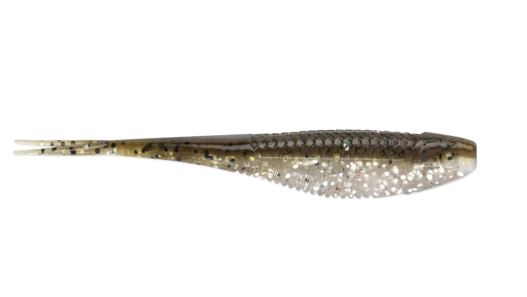
Paddletail soft plastic swimbaits are used most of the time. However, anglers play with different styles and combinations in effort to produce unique presentations. For predatory fish, the ‘bama-rig is visually appealing. It is often a seductive target.
In muddy or stained water, when visibility is limited, the sheer weight and visual impact of the rig make it powerful. Water displacement plus flash not only improves the baits’ visibility but also lets the fish feel the contraption through their lateral line.
The Alabama Rig has its challenges. For starters, its weight and bulk call for particular tackle. Handling the casting weight of the rig and the possibility for several fish hooked at once depends on heavy-duty rods and reels. Many times, anglers use braided line to reduce stretch and maximize hooking force.
Furthermore, different states and even particular bodies of water allow different numbers of hooks on the same rig. Therefore, local rules should be carefully followed. For some anglers, who contend that the setup gives an unfair edge, its efficiency also makes it controversial.
Even with the arguments about its usage, the Alabama Rig is still a very useful weapon in many fishermen’ toolbox. Targeting bass in particular conditions, it is a preferred choice. This is because it can replicate a school of baitfish and set off forceful strikes.
Although its weight and size call for specific tackle and careful review of local rules, its ability to catch several fish on a single throw continues to draw anglers. They try to maximize their fishing success.
Ron describes the idea behind this unusual arrangement as we throw out our umbrella rigs. “Every turn, every bend of the rod serves a purpose,” he says. Maximizing success with an umbrella rig depends on exact weight distribution. This ensures that the rig may follow naturally through the water column.
To get the ideal balance, Ron painstakingly adjusts his arrangement using quarter-ounce and 3/16-ounce weights. The aim is to replicate a school of baitfish, therefore providing an appealing target for hungry smallmouth bass.
One cannot stress the value of gear choice enough. Combining a strong Tatula 200 reel with a long-butt section rod and 20-pound fluorocarbon line guarantees strength and power. Fishing using an umbrella rig calls for great effort, accuracy, and endurance to keep concentration across the day; it is not for the timid.
Analyzing Fish Behavior
A fish’s posture in the water column is much revealed by the manner they impact the rig. They are coming from below if they hit the upper baits; from above if they strike the lower ones. Knowing this tendency helps improve the retrieval strategy so the rig stays in the most effective strike zone.
Strategic Changes for Optimal Results
The umbrella rig is adjusted during the day to improve its performance. The retrieval technique is optimized; slight, deliberate twitching of the reel produces a pulsating motion, therefore simulating the rig.
A misaligned bait placed in the middle will attract strikes even more. It looks like an injured minnow and is a simple target for bass.
Hummingbird Mega Live and 360 imagery together provide unmatched underwater landscape visibility. Examining the data reveals important places where smallmouth fish are staging—sometimes hanging, sometimes clutching the bottom. This data controls the running depth of our rigs, therefore optimizing our chances of attracting a bite.
Investigating Seasonal Hunting Possibilities
Although our main emphasis is smallmouth bass, Northern Michigan presents a variety of fishing chances all year round.
Depending on the weather, the prime season for smallmouth goes from April through June. It once again continues from late September into November, Ron points out. The many fisheries of the area also allow choices for focusing on steelhead, burbot, walleye, pike, and perch during different seasons. This guarantees always something biting.
Winter ice fishing offers a different challenge for those ready to face the weather. Under the frozen surface, guides such as Captain Chad focus in ice fishing excursions, hunting species including burbot, perch, and walleye. Northern Michigan stays a refuge for anglers looking for trophy fish. This is the case regardless of the time of year.
Keystones of trophy fishing are dedication and patience.
Big fish catching calls for an understanding of shifting circumstances, patience, and tenacity. Ron stresses the need of spending several days on the water if one wants to optimize success. “You are not going to land a trophy every time you cast—just as you would not expect to tag a giant bull elk on the first day of a hunt.”
The bite can be influenced by the weather, fish activity, and water conditions. So, it is imperative to modify plans in response. Often, overcast days with a little breeze yield better outcomes than calm, bright ones. Giving yourself several days on the lake raises your chances of spotting great feeding periods. This increases the chance of landing the fish of a lifetime.
Whether your target is huge smallmouth bass, steelhead, or burbot on the ice, this area offers countless chances for fisherman of all stripes. One thing is clear, though: we will be back for another journey not too far off as we organize our equipment.

