








Bullrush Fishing Bass
James Lindner and Jake Wallace motor into the thick bullrushes to target largemouth bass using heavy jigs and Big Bite Bait soft plastics.
Gear for Bullrush Fishing Bass
When it comes to bullrush fishing, the right gear is essential. Here’s what you’ll need:
- Rod: A St. Croix Legend Tournament Bass 76HMF is a great choice. It’s seven feet six inches in length, with heavy power and moderate fast action.
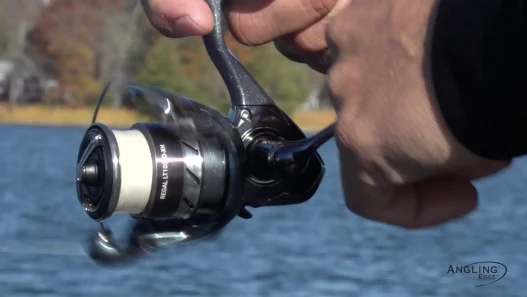
- Reel: We used a DaiwaTatula Elite P/F 8.1 to fish bass in the bullrushes. It has a fast gear ratio and a T-Wing system for accurate casts. It also has a quick-release thumb bar for fast hook sets.
- Line: Sufix 50-pound performance braid is a great choice. It’s abrasion-resistant and has no stretch, so you can pull big fish out of heavy cover.
- Bait: Big Bite BFE, also known as the Best Flipping Bait Ever, is a great choice. It’s extremely dense and won’t tear through the bait when you’re fishing through heavy cover.
Techniques
When it comes to bullrush fishing, there are a few key techniques to keep in mind: 
- Boat Control: Boat control is key when it comes to fishing these giant bulrush beds. Talons enable you to pin the boat in an exact spot and make precision casts.
- Fish Finding: To find the fish, look for edges, thicker weed mats, wind-blown overhead cover, large holes, and natural lanes in the reeds.
- Wind: Wind can be a double-edged sword when it comes to bullrush fishing. On one hand, it makes fishing more difficult, but on the other hand, it can concentrate the fish on the wind-blown side of the reeds.
- Presentation: When it comes to presentation, you’ll want to fish with the grain of the reeds. This will make it easier to pull the bait through the cover without getting caught.
Bullrushes are common aquatic plants found in lakes, ponds, and slow-moving rivers. These dense, emergent plants create ideal habitats for various fish species, including bass. Fishing for bass in bull rush weeds presents both challenges and exciting opportunities for anglers, requiring specific techniques to navigate through the thick vegetation and entice bass hiding within.
One effective method for bass fishing in bull rush weeds is flipping and pitching. This technique involves using a short, heavy rod to precisely present lures or baits into tight spaces within the vegetation. Bass often seek refuge in the shelter of bull rushes, using them as cover to ambush prey. By skillfully flipping lures or soft plastics into open pockets or openings among the weeds, anglers can target these hiding spots and entice strikes.
Topwater lures are another exciting option for bass fishing in bull rush weeds. Frogs, buzzbaits, or poppers can be worked over the surface of the water, imitating prey moving above the vegetation. This approach can trigger aggressive strikes from bass lurking beneath the bull rushes. It requires careful and strategic casting to avoid snagging, but the visual excitement of a topwater strike makes it a favorite among many anglers.
Additionally, using weedless lures or soft plastics rigged Texas or Carolina style can be effective. Weedless designs help reduce the risk of getting hung up in the thick vegetation, allowing anglers to work their lures through the bull rushes more effectively. Texas or Carolina rigs allow the bait to be presented near the bottom, where bass often position themselves in the cover, waiting for an easy meal.
Patience and precision are essential when fishing bass in bull rush weeds. Anglers need to be adept at reading the water, identifying potential hotspots within the vegetation, and making accurate casts to reach those areas. Understanding the seasonal patterns of bass movement and their behavior in relation to the bull rushes can further enhance the chances of a successful fishing outing.
In conclusion, bass fishing in bull rush weeds adds an extra layer of excitement and challenge to the angling experience. Whether using flipping and pitching techniques, topwater lures, or weedless rigs, adapting to the unique environment of bull rushes requires skill and strategy. With the right approach, anglers can unlock the potential of these dense aquatic habitats and enjoy the thrill of catching bass in the midst of nature’s greenery.
Conclusion
Bullrush fishing for bass can be a challenging but rewarding experience. Remember to be aware of the edges, thicker weed mats, wind-blown overhead cover, large holes, and natural lanes in the reeds, and to fish with the grain of the reeds.

