




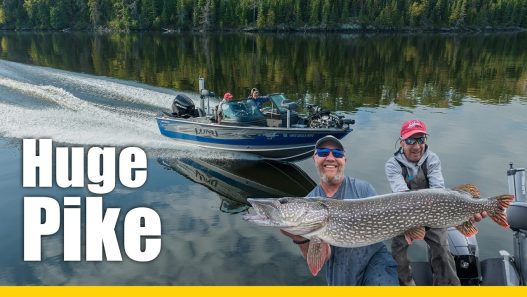




Al Lindner and Ty Sjodin brave the cold temps and high winds of fall to catch big walleyes on artificials.
The Clock Is Ticking: A Limited Fall Window
Fall is in full swing, and for seasoned anglers like Ty Sjodin and Al Lindner, it marks one of the most cherished—yet fleeting—times of the year to fish. On this particular day, the weather looks deceptively calm and inviting, but strong winds are forecasted to ramp up quickly. With the softwater season closing rapidly, there’s no time to waste.
The Bite Is On: Big Fish and Pre-Front Conditions
As the cold front rolls in, the fish sense it. Pike and walleye alike are in feeding mode. Within minutes of hitting the water, Al and Ty are into quality fish. A big northern pike comes to the boat, fat and powerful, caught with fluorocarbon leader—essential when targeting both walleye and pike in these weed-laced shallows.
These fish are in what the hosts call “fall beast mode,” feeding voraciously in anticipation of hard water. This seasonal trigger, paired with pre-frontal conditions and falling water temperatures, often results in frenzied feeding activity.
Weather is critical in fall fishing, and while fish will still bite during and after a front, the best bite usually happens just before the change. That’s why successful anglers must be willing to brave the elements—whether it’s cold, wind, or waves.
No Excuses: Modern Gear Makes It Easier Than Ever
Today’s gear is designed to help anglers fish longer and more comfortably in adverse weather. Waterproof, insulated outerwear keeps anglers dry and warm. Boat and motor systems are built for extreme conditions. High-tech seating systems like Smooth Moves absorb the shock of rough rides. And electronics—GPS-enabled trolling motors, fish finders, and power anchors—help you stay locked on the fish despite gusting winds.
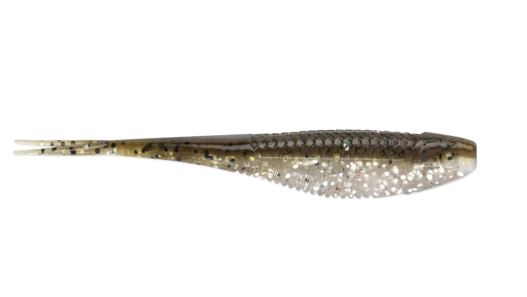
Even tackle has evolved. Lightweight rods and reels reduce fatigue, while advancements in jig and plastic design make live bait less essential. In fact, Ty quickly switched from a cold minnow to a VMC bucktail jig paired with a paddle tail, and he was rewarded immediately.
Prime Fall Patterns: Shallow Water and Deep Structure
They’re fishing a typical north-central Minnesota walleye lake, focusing on shallow water between 6 and 12 feet. These weedline fish—walleyes, pike, and even musky—remain shallow later than many think. And they’re often the largest fish in the lake.
But the pattern isn’t limited to shallow water. On the same body of water, other walleyes are sliding deeper, staging along structural breaks and humps in 25 to 40 feet of water. Jigging Raps and other vertical presentations excel here. These fish aren’t just passing through; some live shallow, while others migrate shallower again during fall’s moon phases, particularly around the September and October full moons.
Interestingly, the turnover period—when the thermocline breaks down—consolidates fish. Where walleyes were once suspended and scattered during the summer, they now gather on structure, forming massive pods. This is the magic of fall: big fish, grouped tightly, feeding aggressively.
Smart Moves in the Wind: Where to Fish When the Weather Blows
Fishing in 30 mph winds isn’t ideal, but it’s often when the best bite happens. If open water becomes dangerous, consider alternatives:
- Rivers: These can provide shelter and excellent fishing during windy days.
- Gravel pits or borrow lakes: Steep, protected banks offer a buffer from gusts.
- Island-filled lakes: Tuck behind islands for protection and use wind-driven current funnels to your advantage.
- Weather apps: Monitor surface wind versus jet stream direction to pick strategic launch locations and maximize fishable water.
And sometimes, the best fishing is right in the teeth of the wind. You just have to gear up and go after them. That’s exactly what Ty and Al are doing today.
Big Payoff: Trophy Fall Walleyes
Suddenly, both rods are bent. Ty thinks he has a pike. Al suspects a big walleye. As it turns out, both are into solid fish, and Ty’s lands a monster—the kind that defines fall fishing in the North.
This walleye, fat and golden, is the payoff for enduring cold hands, big waves, and chilling winds. It’s what makes fall fishing so special. When most anglers have winterized their boats, those who remain on the water can enjoy solitude and trophy-caliber catches.
The Urgency of Fall
“Fall is here, Al. Fall is here.” That simple statement sets the tone for one of the most exciting, yet fleeting, times in the fishing calendar. Ty and Al, two of the key personalities at Lindner Media Productions, know that when autumn arrives in the North Country, it’s time to make the most of it before hardwater season takes hold. With 30-mile-per-hour winds in the forecast and cold temperatures already setting in, the window for open-water walleye fishing is closing fast.
Between filming five major television series—Angling Edge, Fishing Edge, The Ultimate Fishing Experience, AnglingBuzz, and The Ontario Experience—the Lindner team puts in a grueling schedule, producing 65 original shows in just seven months. But despite the work, Ty realized he hadn’t had a single day on the water for personal fishing all year. That changed with a spontaneous decision: “Let’s go fishing.” The species of choice? Walleye—Ty’s specialty.
First Fish, First Clues
It didn’t take long. Not long into their outing, a healthy northern pike—“a very net-able fish”—hammered the bait. While they were targeting walleyes, the fall feeding frenzy had both predators on the move. The clear skies they’d left behind were giving way to fast-building clouds, and the fish were responding accordingly. Fall weather patterns act like a dinner bell, triggering intense feeding behavior as fish sense what’s to come.
Fluorocarbon, Fat Fish, and Feeding Windows
Al and Ty admired the girthy predator, noting the benefits of using fluorocarbon—especially when pike are around during a walleye mission. “Look at that fat cow,” Al marveled. “That thing is just a tank.” The big-bodied pike and the action that followed confirmed what seasoned anglers already know: fish go into full “beast mode” before the first hard freeze.
What’s more, these fish can sense weather changes long before we see them reflected in our forecast apps. Anglers who understand pre-frontal behavior have an edge. These periods are often the most productive, but even in post-frontal conditions, fish can still be caught—it just requires a smarter, more patient approach.
Gear Up or Stay Home
Thankfully, advancements in gear have made cold-weather angling more bearable—and safer—than ever before. Bulletproof outerwear, shock-absorbing pedestal seats, durable boats, and reliable trolling motors allow anglers to withstand the elements. Lightweight rods and reels reduce fatigue. The takeaway? There are no more excuses. The equipment exists; it’s up to the angler to use it.
And Ty was doing just that. After years of using live bait religiously, he switched to plastics—specifically a paddle tail on a VMC bucktail jig. “Two minutes. Bam. Right away.” That walleye, like the others that followed, proved that soft plastics can be incredibly effective in cold conditions.
Shallow Patterns in the Heart of Walleye Country
Fishing in 6 to 12 feet of water, the duo focused on weed lines in a classic north-central Minnesota lake. It’s textbook fall walleye fishing. Pike, muskies, and walleyes all converge in these shallow weed beds during this time of year, especially when water temperatures drop into the low 40s.
Even as deep fish can be found on 25–40 foot structures with Jigging Raps, there’s always a population of walleyes that stay shallow—and often, they’re the biggest fish in the system. As Ty and Al explain, “These are shallow water weed fish,” and targeting them with the right presentation can yield huge results.
The Moon, Tulabees, and Nighttime Giants
At 44°F, the water was primed for a secondary seasonal trigger: tulabee spawning. These baitfish drive predator movement, and in combination with fall moon phases—particularly around the September and October full moons—big walleyes shift into shallow water to feed, especially at night.
Many anglers take advantage of this by trolling flatline crankbaits after dark. But as Ty and Al showed, jigging during daylight hours in the same areas can produce the exact same class of fish. “They’re not coming from 35 feet of water,” Ty said. “They’re living in here.”
Structure, Thermoclines, and Fish Consolidation
As the thermocline breaks down in fall, those big, suspended summertime walleyes push to structure and group up. This transition marks one of the most productive times of the year. Instead of scattered fish, you’ll find consolidated schools—tight pods of giants—which explains how multiple quality bites came from the same area.
But fall fishing isn’t without its obstacles. Chief among them? Wind.
Beating the Wind: Tips for Tough Days
Wind can be a trip-ender, especially in fall. But savvy anglers know how to fish around it. Some helpful strategies include:
- Targeting rivers – where wind is less of a factor and fish are still active.
- Fishing pits with high banks – for natural wind protection.
- Working lakes with many islands – which offer both shelter and current funnels where fish feed.
- Using weather apps – to gauge wind direction at the surface and pick the right side of the lake.
Of course, some days, the fish are right in the teeth of the wind. “You just have to roll up your sleeves,” said Al, and that’s exactly what they did.

