








James Lindner and Mike Hehner demonstrate tactics for deep-water walleyes, including precise depth-control via lead core and a match-the-hatch crankbait program.
Going Deep: The Hidden World Below
Right now, across virtually any body of water, fish are swimming deeper than most anglers realize. While variables like water temperature, oxygen levels, current, and food availability all come into play, one thing is clear: the deep-water world holds far more life and opportunity than previously understood.
Recent studies have revealed fascinating movement patterns—muskies diving into deep open water immediately after ice-out, big northern pike retreating off sharp breaks and weed edges in midsummer, and walleyes slipping into deeper water as the season warms. Even largemouth and smallmouth bass, along with panfish, are no strangers to the abyss. When shallow bites slow down, it’s time to widen your perspective.
Let Your Electronics Be Your Eyes
To fish deep effectively, electronics are your eyes. Understanding sonar, side imaging, and GPS is vital. Targeting deep summer walleyes, figuring out what they’re feeding on, and matching their tackle accordingly. The results speak volumes about the importance of bait profile, presentation depth, and yes, color.
Mille Lacs in Midsummer: The Perfect Testing Ground
The team finds themselves on the famed Mille Lacs Lake in Minnesota, where summer water temperatures are peaking. That means walleyes are active and hungry. But where are the biggest fish? Following the food, of course. In this system, the fattest and most nutritious forage is the tulibee—a deep-water, high-calorie baitfish. So naturally, the big walleyes are found out in open water where tulibees roam.
To target these fish, getting your bait to the correct depth and keeping it there is critical. And that’s where leadcore trolling comes into play.
The Art of Leadcore Trolling
Leadcore trolling is a time-tested and highly effective technique for targeting deep-water walleyes in mid- to late summer. Across North America—from the Great Lakes to the Missouri River and Lake of the Woods—it’s become a go-to for experienced anglers.
But it’s not just about dragging lures. Success hinges on understanding your equipment, choosing the right trolling speed, experimenting with lure profiles, and using electronics to find bait and structure. Patience is rewarded—often with big fish.
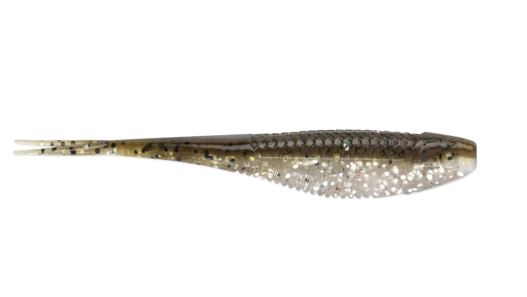
The team switches to a Scatter Rap Husky Jerk—a lure with a true minnow profile—after noticing a change in action. Shortly after the switch, the rods bend with a solid hook-up, confirming the pattern is working.
Catching Quality in Open Water
After catching a few on the edges, the crew ventures deeper into the main basin. It doesn’t take long for a healthy Mille Lacs walleye to hit the net—proof that targeting open-water basins pays off. This isn’t a fluke. This is a pattern. And as they release the fish and reset the lines, the strategy is clear: go deep, stay precise, and follow the forage.
Mille Lacs offers diverse structure and abundant forage, from shiners and perch to crayfish, darter minnows, trout perch, and especially tulibees. Right now, the team’s success hinges on finding pods of these oily, four- to five-inch baitfish. The walleyes they’re catching are off the bottom and look well-fed—a clear sign they’re gorging on tulibees.
Matching the Hatch: Tackle and Presentation
When it comes to trolling baits, options abound. Balsa and plastic, wide wobble and tight action, bright and natural colors—it’s no wonder experienced anglers carry massive arsenals. The goal is to find what triggers bites today.
The crew lands another nice fish while experimenting with lure profiles, confirming their hunch about the Scatter Rap Husky Jerk. They continue refining their trolling passes, mapping bait pods with GPS, and circling areas where baitfish are most concentrated.
Precision with Purpose: Depth Control and Replication
Replicating successful passes is the key to consistent success, and leadcore line allows just that. Once the right depth is found—say 170 feet of line back—the exact same presentation can be repeated with the help of line counter reels like the Daiwa SeaLine. Their setup includes 12-lb Sufix 832 leadcore, which is color-coded in 30-foot increments, helping them fine-tune depth control.
And with each pass, the team learns more. Subtle differences in lure color, vibration, or profile can make or break a day’s catch. That’s why experienced trollers carry boxes upon boxes of lures—they know conditions change, and versatility matters.
Precision Trolling: The Power of Replication
One of the keys to consistent success in open-water trolling is replication—getting your lure to the same depth, with the same lure and presentation, over and over again. When using leadcore line, anglers can gauge depth in two main ways: the line counter on the reel and the color-coded segments of the leadcore itself. Each color represents approximately 30 feet of line, making it easy to replicate productive depths.
As the crew explained, fish were hitting consistently where “brown hits yellow,” indicating about 170 feet of line out. Whether you’re using a line counter reel or reading the color changes directly, precision is everything.
Moving Targets: The Role of Electronics and Mobility
In massive, featureless basin areas like Mille Lacs, structure isn’t your guide—baitfish are. And since baitfish are constantly moving due to wind, water temperature, and oxygen levels, so are the walleyes. Electronics play a vital role in identifying these mobile pods of forage. Once found, GPS coordinates are marked and the team trolls in circles around those zones, tracking the movement of bait and walleyes alike.
The game is dynamic. On some days, walleyes sit tight to the bottom; on others, wind and cloud cover can cause them to rise in the water column. Speed and bait depth must adjust accordingly. The same pass that was productive at 25 feet yesterday may need to be run at 15 feet today.
Critical Gear: Rods Designed for the Job
When it comes to leadcore trolling, the right rod makes a big difference. The team uses St. Croix’s Icon Trolling Series, built with a blend of SE graphite and glass composite for the ideal combination of backbone and forgiveness. These rods are tailored for trolling with boards or flatlines and come in varying lengths—ideal for multi-rod setups. Short rods go closest to the boat, medium-length rods in the middle, and long rods on the outside. This staggered spread helps cover more water and reduces tangles.
The setup worked to perfection, landing another solid walleye. The Scatter Rap Husky Jerk in a tulibee pattern continues to produce, matching the hatch of the primary forage species.
The Value of Adaptability
Whether it’s trout, salmon, or walleyes, the ability to adapt quickly often separates good anglers from great ones. James and Michael stress the importance of switching lures, colors, and actions once a pattern starts to emerge. As soon as one bait starts outperforming others—like the Scatter Rap Husky Jerk did in this case—it’s time to make the switch.
Some lures have a tighter shimmy; others, a wider wobble. The bait’s profile, action, and color all play into the fish’s preferences at a given time. Even minor changes in sunlight, water clarity, or baitfish behavior can require a new presentation.
Boat Control with the Mercury 9.9 Kicker
Precise trolling speed is another cornerstone of this system. The Mercury 9.9 HP kicker motor offers exacting control, allowing speeds from as slow as 0.5 mph—perfect for live bait presentations—to over 4 mph for big bait trolling. Its fuel efficiency and control, combined with an extension handle, make it an ideal tool for extended trolling sessions.
Add to that the power trim and tilt, electric start, and tracking tension bar, and you’ve got a kicker built for the demands of professional guides and serious anglers. In rough water, the locking brackets and secure mounting provide the stability needed for confidence on big water.
Rigging for Success
The crew’s leadcore setup features a 15-foot fluorocarbon leader tied to a Scatter Rap Husky Jerk, joined to the leadcore with a double uni knot. A small section of the lead is removed from the core to make a smooth connection. This rig keeps the bait running true at the proper depth while offering invisibility and strength.
And sure enough, while discussing rigging, another fish connects—highlighting the effectiveness of the system. With every pass and hook-up, the case for leadcore trolling becomes even stronger.
Dialing in Color and Forage Matching
If there’s one thing seasoned trollers know, it’s that color matters—sometimes in a big way. Subtle variations can trigger strikes or get ignored altogether. In this case, the Scatter Rap Husky Jerk in a tulibee-matching color was outproducing others. Sometimes it’s blue, other times a pearlescent sheen; it all depends on the light, clarity, and forage behavior.
And speaking of forage, Mille Lacs is a diverse buffet, but mid-summer tells a clear story: tulibees are the main course. Surfacing bait confirmed what the electronics had been showing—young tulibees were active and abundant in the basin. This pushed the crew to move off shallower structures, where perch-based baits produced smaller fish, and target deeper water where the quality jumped dramatically.
Big Water, Big Walleyes
As the trolling pattern refined, the rewards followed. Fish after fish came to the boat—solid, mature walleyes, all eager to crush a properly tuned bait presented at the right depth. It was a textbook example of how leadcore trolling shines in mid- to late-summer conditions.
The benefits of this approach were clear: consistent depth control, bait presentation near the forage base, and the ability to fine-tune lure profiles, action, and color. Whether you’re catching one fish or stacking up multiple, replication and adaptability are the twin engines of success.

