




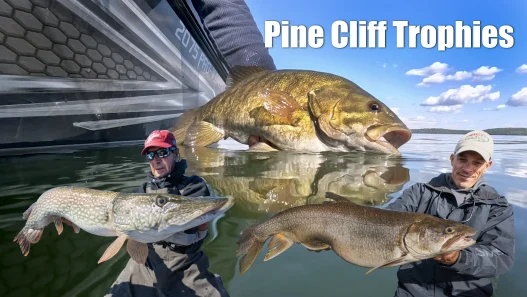





Although Lake Vermilion is more famous for fabulous walleye fishing, growing big panfish and huge musky, the lake has a load of smallmouth bass in it, too. There’s a lot of water to cover but persistent anglers can dial it pretty quickly once you know what to look for based on the season. In this case, it’s early season, so we expect these fish to be moving into the shallow to spawn. Using your electronics and detailed mapping allows you to quickly eliminate water to identify likely shallow spots.
Lake Vermilion in northern Minnesota is often celebrated for its walleye and muskie fisheries, but beneath the surface lies another thrilling opportunity: early season bass fishing. In this breakdown, we dive into a springtime bass mission targeting smallmouth (and the occasional largemouth), with a focus on practical mapping strategies, lure selection, and water temperature behavior—keys to locating active fish in a massive and complex system like Vermilion.
Targeting Bass in the Spring Transition
Spring on Lake Vermilion means smallmouth bass are beginning to migrate from their deeper wintering areas into shallow bays in preparation for the spawn. This period presents a window of opportunity for anglers to intercept fat, aggressive fish just before they settle on beds. While smallmouth are the primary target, there’s always the chance of encountering largemouths tucked deeper into vegetated backwaters.
To narrow down such a large fishery, having the right mapping setup is critical. Using depth shading on a GPS chart, the team highlighted water shallower than eight feet in green and areas shallower than five feet in red. This approach quickly illuminated key flats, back bays, and isolated rock piles that bass are likely to frequent in early spring. By hopscotching these red and green zones, anglers can quickly identify productive water without wasting time scanning unproductive expanses.
Using Technology to Accelerate the Search
The mapping system is just the start. With Humminbird’s Side Imaging and MEGA 360 sonar in play, the anglers could see submerged boulders, wood, and transitions between soft and hard bottom—ideal bass holding habitat. The visual clarity of isolated structure gave them confidence to cast to specific targets, such as a log next to a boulder, and catch fish with precision. Being able to identify habitat in real-time while casting drastically improved efficiency and success rate.
These tools also revealed a surprising truth: while Vermilion is known for its rocky shoreline, the true gems are isolated boulders scattered across otherwise featureless mud or sand flats—prime ambush spots for pre-spawn smallmouth.
Adapting to Early Spring Conditions
Spring bass are heavily influenced by water temperature. After a late, cold spring, the first warm days of the season brought new energy to the lake—and to the fish. As the surface temperature climbed a few degrees throughout the day, bass began sliding into shallow, dark-bottom bays to soak in the warmth and feed aggressively before spawning. As such, afternoon bites tended to be stronger than mornings.
Fat, lethargic smallmouths were caught on jerkbaits and subtle topwaters. These fish weren’t yet on beds but were clearly feeding up, evidenced by their girthy builds and willingness to strike slowly presented lures.
Lure Selection: Matching Conditions with Presentations
To maximize success in spring, lure choice must match fish behavior. Horizontal “search baits” like jerkbaits, swim jigs, and topwaters played key roles. In rock-heavy zones, jerkbaits offered erratic movement followed by crucial long pauses—sometimes five to seven seconds—to entice cold-water fish. In bullrush-covered shallows, topwaters allowed the team to call fish up or provoke swipes from hidden ambushers.
This adaptability was evident as they moved between shallow saddles with rocky structure and emergent vegetation. While a jerkbait triggered strikes on the rocks, a topwater tempted fish in the bulrushes.
Recognizing Patterns and Maximizing the Afternoon Bite
By focusing on key features—rock saddles, isolated boulders, and hard-bottom transitions—the anglers developed a repeatable pattern. One standout area was a saddle between an island and a shoreline, with a three- to four-foot rock flat ideal for staging fish. Despite never fishing these spots before for bass, years of experience chasing other species gave them an advantage in reading Vermilion’s structure.
The pattern came into sharp focus: cold morning fish were sluggish and required patience; warm afternoon fish moved shallower and bit more aggressively. Even though they were early in the spawn cycle, the action was picking up.
A Window Into What’s Coming
Though not all the bass caught were giants, the presence of four-pound-class fish swiping at topwaters signaled that Vermilion’s full pre-spawn surge was imminent. As conditions continued to warm, more fish would push shallower into the vegetation and rocks, making aggressive feeding moves before locking onto beds.
Adapting to Ultra-Shallow Conditions: The Importance of Patience and Precision
As the water continues to warm, especially on sunny afternoons, bass are pushing into extremely shallow water—often less than two feet deep. These early-season fish are not only seeking the warmest water available but are also preparing for the spawn. In such skinny water, even a shallow-diving lure like a Shadow Rap, which runs at two to three feet, can prove too deep. In these scenarios, topwater presentations become critical tools.
One effective method involved working a popper slowly—letting it sit for extended periods before giving it a few deliberate twitches. Several fish were observed slowly approaching the lure with interest, emphasizing the need for stillness and patience in the retrieve. And the rewards came quickly: the team caught their first topwater bass of the season, confirming that this slow, subtle strategy was already effective despite the early timing.
Finding the Pattern and Understanding Bass Movement
Though not every fish was a giant, the pattern was becoming clear and reliable. Smallmouths were spread across key areas—rocky flats, bullrush edges, and hard-bottom transitions. These fish were not yet tightly grouped, which made locating them more challenging, but the use of faster-moving lures like jerkbaits and poppers allowed the anglers to contact fish quickly.
This time of year, bass roam widely in large schools, yet they’re not always tightly packed. As a result, it’s common to hit stretches of prime-looking water and come up empty. That’s why the strategy relied on search baits to locate fish first, and only once an area showed promise would the team return with slower techniques like tubes or Senkos.
Having a range of lures for different depths—from topwaters to deep-running rattlebaits—helped them cover the full water column effectively.
Prime Habitat Zones for Early Season Bass
Three types of structure consistently held fish during this outing:
- Shallow Rock Flats – Often no more than 2–4 feet deep, these areas were prime for jerkbaits.
- Bullrush and Pencil Weed Edges – Especially productive when adjacent to warming flats.
- Emerging Cabbage Beds – In slightly deeper water (3–4 feet), these developing red cabbage patches offered cover near structure, especially when close to deeper water or isolated rock piles.
When the anglers located overlapping habitat—like red cabbage near rocks—they hit pay dirt. Double hookups weren’t uncommon, and they quickly boated several healthy, chunky smallmouths, showcasing the vibrant population in Vermilion.
Fish Are on the Move—Fast
One standout observation was how quickly bass relocated within a bay. On the first evening of scouting, the fish were positioned off the tips of points in slightly deeper water. The next afternoon—under similar conditions but with sustained warmth—the same fish had moved much farther back into the bay. In just a few hours, water temperature had climbed into the mid-60s in some back bays, bringing the bass with it.
This mobility highlighted a crucial lesson: don’t write off an area too quickly. Just because fish aren’t present in the morning doesn’t mean they won’t show up by afternoon.
Prepping for Competition and Learning the Lake
This trip had a dual purpose: filming an early-season bass piece and pre-scouting for an upcoming Classic Bass Champions Tour event. The tournament—fished in a Major League Fishing-style format—was scheduled for Lake Vermilion in just over a month. So this session provided a real-time look at both the bass population and their springtime behavior across different lake zones.
The findings were promising. While the west side of Vermilion is traditionally known for largemouth bass, thanks to its abundance of weed beds (notably in Wake-’em-up Bay, Norwegian Bay, and Niles Bay), the east side appeared to hold bigger smallmouths. That local knowledge was reinforced by Minnesota DNR netting reports, which highlighted the east basin as a trophy smallmouth zone.
Topwater Turns On—Big Time
By late afternoon, the topwater bite ignited. Casts with poppers drew consistent swipes, and fish began hitting with greater aggression. Watching bronzebacks roll on a bait or inhale it after a long pause is what makes this style of fishing so exhilarating.
The strikes weren’t always explosive—in fact, many were subtle. Bass would just slurp the bait from the surface, barely disturbing the water. In those moments, letting the bait sit still was critical. Whether fishing a popper or a suspending jerkbait, the key to triggering bites remained the same: stop moving the bait.
What followed was a flurry of action, with multiple quality smallmouths landed on topwater. One fish, beautifully colored and thick-bodied, marked a milestone—it may have been the first smallmouth caught on topwater on Vermilion that season.
As the sun continued warming the shallows and fish behavior evolved, one thing was certain: the spring smallmouth bite on Lake Vermilion was just beginning to hit its stride.
Final Reflections: A Spring Bass Bonanza on Lake Vermilion
As the day on Lake Vermilion wrapped up, the bite only seemed to get better. Topwater lures were producing fish consistently, and the anglers couldn’t help but marvel at the diversity and quality of the fishery. What makes Vermilion such a standout destination is its variety of available species and tactics. While this trip focused on bass—especially smallmouth—there were frequent muskie sightings in the shallows, a reminder of the lake’s world-class status across multiple species.
One angler recounted a previous trip with local guide Josh Brovosky, where they targeted muskies suspended over deep water. That trip and the current one share a common thread: Vermilion offers high-caliber action across the board.
Bass, Muskies, and the Spring Surge
While scanning for bass, they spotted no fewer than 15 muskies moving up into the shallows—many small stockers, but also a few mid-40-inch fish. With muskie season set to open in just a week, the anticipation among local anglers was already building.
But the focus remained on bass, and the smallmouths didn’t disappoint. Fat, powerful, and brightly colored, these bronzebacks epitomized early season beauty. Even those that weren’t giants fought hard and displayed the rich coloration typical of healthy, pre-spawn fish.
Dialing in Topwater Gear for Maximum Efficiency
As the topwater action intensified, one thing became crystal clear: success was highly dependent on proper gear. Precision presentation was essential when casting to isolated boulders, small weed clumps, or the tips of bulrush lines. To meet these demands, the angler relied on:
- Rod: St. Croix Legend X, 7-foot, medium power, fast action – The fast action tip allowed for accurate, long-distance casting, while the softer medium backbone offered forgiveness with treble hooks.
- Reel: Daiwa Zillion, 7.3:1 gear ratio – The high-speed reel made it easy to pick up slack line quickly, which is essential when a bass hits a topwater lure sitting idle.
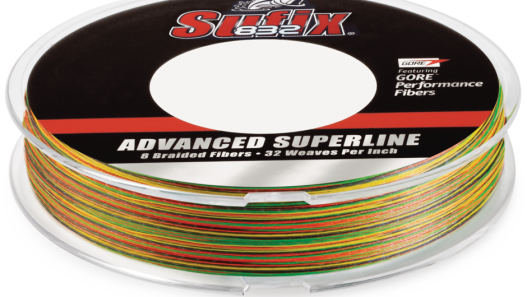
- Line: Sufix Advance Monofilament, 14 lb test – Chosen for its casting performance and ability to work well with topwater baits, it provided an excellent blend of strength and stretch.
The ability to deliver long, pinpoint casts into shallow water—and to quickly respond to subtle strikes—proved critical in maximizing hook-up and landing ratios.
Lake Vermilion: A Hidden Gem for Smallmouth Enthusiasts
While other Midwest lakes may dominate the headlines for spring smallmouth fishing, Lake Vermilion remains a sleeper destination that quietly delivers. Its vast structure, healthy populations, and relative lack of bass-focused angling pressure make it a thrilling place to fish—whether you’re twitching a jerkbait over rock flats or walking a topwater through pencil reeds.
With water temperatures climbing into the mid-60s in protected bays and fish pushing shallower by the hour, Vermilion was clearly entering its prime bass fishing window. The success on this trip—across multiple presentations and locations—underscored the lake’s potential and the value of adapting to rapidly changing conditions.
Whether you’re a competitive angler prepping for a tournament, a muskie hunter eyeing a shallow-water bite, or a bass fanatic looking for topwater action in an untouched setting, Lake Vermilion offers it all. And this spring, it showed once again why it’s one of Minnesota’s most dynamic and rewarding waters.

