









Early Season Walleye: Mastering Shallow Water Jig Tactics in Minnesota
A Powerful Start to the Day
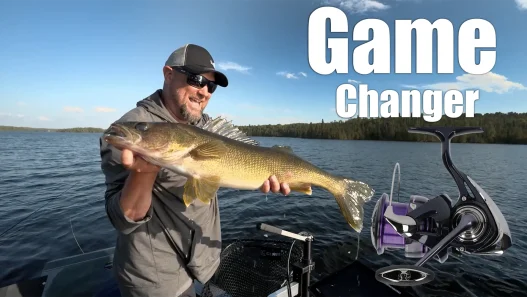
The thrill of early season walleye fishing is unmatched—especially when you’re greeted with the unmistakable tug of a heavy fish that won’t budge. On this particular outing, the action kicks off quickly. One angler targets slightly deeper water from the back of the boat, while his father works shallower zones up front. The payoff is immediate: a big walleye hits a boot-tail jig and dives deep, confirming its size and strength before it’s ever seen.
As the fish is finally boated—after spitting up a hefty perch—there’s laughter and appreciation for what is clearly a quality catch. It’s a long, post-spawn walleye, still thin from the rigors of reproduction but already feeding hard in preparation for the months ahead. This is exactly what anglers hope for during Minnesota’s revered walleye opener.
The Opener: A Minnesota Tradition
Minnesota’s walleye opener is a seasonal milestone akin to the opening weekend of deer hunting. It brings together friends, families, and entire communities, all heading outdoors to embrace one of the state’s favorite pastimes.
This trip takes place shortly after opener. Water temperatures play a critical role this time of year, dictating not only walleye spawn timing but also their post-spawn feeding patterns. In the northern regions of the state, walleyes typically spawn when water hits around 45°F. Soon after, spot tail shiners move shallow to spawn—giving walleyes an easy source of nutrition just as they’re recovering from the spawn.
Reading the Water and Structure
The anglers are targeting a slow-tapering flat that runs from about 7 to 15 feet of water, with remnants of last year’s cabbage providing additional habitat. Fish are scattered in groups across this area, held in place by the abundance of forage. One angler casts toward shore; the other works the deeper outer edge—an effective tag-team approach.
On clear-water lakes—many of which are now even clearer due to the spread of zebra mussels—stealth and casting distance are crucial. The days of drifting directly over shallow fish and vertical jigging are largely gone. Now, long casts and boat positioning are essential to avoid spooking wary walleyes.
Adapting to Clear Water
Years ago, stained water allowed for more aggressive boat positioning. But today, the clarity of many of Minnesota’s best walleye lakes forces anglers to adapt. Zebra mussels have transformed underwater visibility, especially on shallow breaks. To succeed, anglers need to make long, targeted casts well away from the boat and approach areas with subtlety.
Water temperatures are already on the rise. Just days ago the lake was around 48–49°F, but now it’s up to 54°F. This warming trend pushes the post-spawn walleyes toward their first serious feeding patterns of the season, just as emerging weed growth begins to offer additional structure and feeding zones.
Evening Bite and Bait Selection
Daytime action is solid, but the evening bite is phenomenal. Trolling after dark continues to be a highly productive method for catching walleyes this time of year. However, during the day, jigging remains a dominant and versatile strategy.
On this outing, three different baits are being rotated through, with consistent results. Fish size ranges from quality eaters to heavier fish that demand more finesse and attention. The goal isn’t just quantity, but also size—and the results are promising.
The Power of Plastics
One of the most enlightening takeaways from this outing is the power of plastic trailers on jigs. Veteran anglers like Al Lindner have long emphasized the effectiveness of artificial soft baits, noting that they often outperform live bait in many situations.
A common mistake among anglers switching to plastics is fishing them the same way they would live bait—using light jigs and slow retrieves. But plastic excels with a different cadence. Instead of subtle lifts, it requires sharp, aggressive snaps of the rod to impart lifelike action and reaction strikes.
Jigs That Deliver
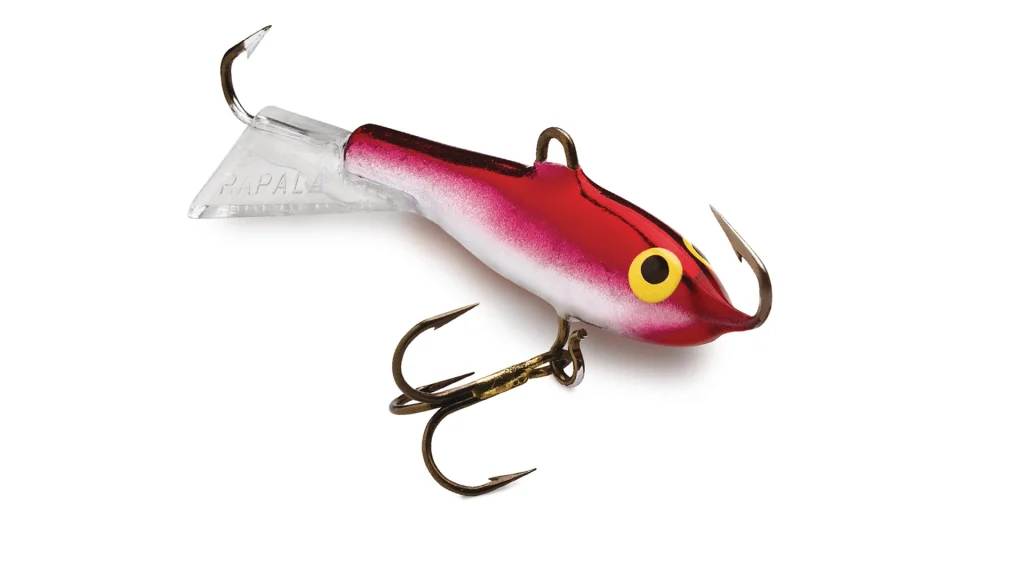
Three standout jig styles are featured:
- VMC Moon Eye Jig: Known for its aspirin-shaped head, this jig reacts aggressively when popped and pairs well with a variety of soft plastics.
- VMC Sleek Jig: The newest addition to the lineup, this design includes a tech-set hook for maximum penetration and solid hookups.
- VMC Bucktail Jig: A classic that can be fished with or without a trailer, particularly effective in shallow water where added bulk isn’t necessary.
Each of these jigs has a place depending on the depth, water clarity, and mood of the fish. Preferred plastics include boot tails and minnow-style tails—each offering different fall rates and action profiles. Anglers are encouraged to experiment to see what the fish want on any given day.
Finally, a key rigging tip: always add a barrel swivel about a foot above the jig to eliminate line twist from the aggressive jigging motions.
Dialed-In Gear: Rods, Reels & Line for Clear-Water Jigging
A refined presentation starts with balanced tackle. Al Lindner’s everyday shallow-water combo—a St. Croix Icon 6′ 8″ medium-power spinning rod paired with a Daiwa Fuego—delivers the perfect mix of backbone and tip speed for aggressive snap-jigging. He spools the reel with Sufix Advance Monofilament, adding a 6-foot Suffix fluorocarbon leader to disappear in ultra-clear water yet retain the supple handling of mono.
Many anglers run braid plus fluoro, but the new mono’s low stretch and flawless lay on the spool make it a pleasure to fish—and forgiving when a trophy surges under the boat.
Plastics Out-Perform Live Bait—Especially for Bigger Fish
Across countless days on both Minnesota and Ontario waters, Lindner estimates that 90 percent or more of his jigging is now done with artificials: boot tails, split-tail minnows, Jigging Raps, and Rippin’ Raps. The reason is simple—soft plastics not only keep pace with live bait, they often produce larger walleyes. Once anglers gain confidence in plastics and hair, they quickly realize how deadly—and convenient—these presentations can be.
When Water Temps Hit the Mid-50s, Get Ready for a Feeding Frenzy
The 52 °F – 56 °F window marks a sweet spot: walleyes have recovered from the spawn and are laser-focused on food. On clear, slow-tapering flats they crush aggressively snapped jigs all day, with an after-dark trolling bite as a bonus option. Expect wave after wave of 17- to 20-inch “eaters,” punctuated by true bruisers when a bigger female slides up.
A Quick Tour of a Purpose-Built Big-Water Rig
Between hook-sets, the team walks through Lindner’s new boat:
- 300 hp Mercury Pro XS for fuel-efficient open-water runs.
- Talons, Humminbird Helix & Solix units, and a networked Minn Kota system that lets the helm or bow control everything—GPS anchoring, mapping, and sonar overlays.
- Flip-up rear jump-seats that convert into a giant casting deck with hidden camera-gear storage.
Rigged every two seasons, each new hull incorporates the latest tweaks from Mercury, Humminbird, and Minn Kota—essential for filming in big, windswept basins.
From Average Keepers to “Mama” Walleyes
Most fish run a chunky 18 – 22 inches—ideal for photos and quick releases—but the day’s highlight comes when the bucktail stops dead and a heavy head shake follows. The big female surges boatside, and a quick scoop with the “wal-netto” seals the deal. She fell for a 1⁄4-oz VMC Bucktail Jig fished naked—no trailer—just like a plastic or Jigging Rap.
The Next Wave: Hair Jigs Are Back
If boot tails and hard-body snap baits dominate today, the future is looking hairy—literally. Lindner predicts a full-blown hair-jig renaissance in walleye circles. Snapped aggressively across shallow flats, bucktail and marabou jigs trigger the same reaction bites as plastics, often with an even subtler profile for pressured fish. Add a handful to your box now and get ahead of the curve.
Key Takeaways for Early-Season Success
- Target shallow flats (7–15 ft) holding post-spawn walleyes and shiner forage.
- Stay stealthy in zebra-mussel-clear water: long casts and side-presentations out-produce vertical jigging.
- Snap, don’t drag. Soft plastics require an aggressive rod pop to shine.
- Match jig style to mood: Moon Eye and Sleek for plastics; Bucktail for an unweighted hair option.
- Rig a barrel swivel a foot above the jig to kill line twist from nonstop ripping.
- Upgrade to forgiving mono + fluoro leader if you struggle with wind knots or want more stretch on surging fish.
- Embrace hair jigs early— they’re poised to be the next big thing.
With water temps climbing and shiners flooding the shallows, now is the perfect moment to grab a handful of jigs, snap them hard, and experience Minnesota’s legendary walleye opener for yourself. Tight lines!

