









From Custom to Innovation in Technology
Decades ago, guided by tradition, hopeful speculation, and many hours on the water, fishing was sometimes more of an art form than a science. Considered the father of structure fishing, Buck Perry worked without the luxury of contemporary depth finders or GPS mapping. Success arrived gently and frequently with great effort. But thanks to amazing developments in fishing electronics today, locating and catching fish has become more exact, effective, and successful than it has ever been.
Electronics for Bass Fishing Authority
Modern angling electronics give quick access to underwater habitats. Not only under the boat, but also to its sides and in all directions, on-screen maps today show structure, bottom content, vegetation, and even fish locations. While trolling motors with GPS integration can independently steer your boat or hold it in place independent of wind or current, high-tech sonar units provide amazing detail.
With just a button press, electric anchors such as Minn Kota’s Talon or Power-Pole can pin your boat in position, enabling quick and very precise presentations. Your search and catching of fish increases dramatically once you know how to read and respond to the data your electronics produce.
A New Gear Age at ICAST
Everything from rods and reels to lines, lures, and especially electronics is revealed at the yearly ICAST sport fishing show in Orlando. Over the past few years, there has been incredible advancement in just this area. Features absent three years ago are now indispensable tools carried on every trip. Learning to use these tools will help anglers dedicated to remain current get results across all species and areas.
Beginning Deep: Structured Fishing from Rock Humps
The anglers started the day at deep rock humps, traditional sites for large bass. Here they are all good techniques including Carolina rigs, roller jigs, and deep-diving crankbaits. Success on these areas depends on realizing they are either hot or cold; you might find nothing at all or catch fish on every cast. Timing and persistence are absolutely critical.
The anglers found these important sites using side imaging sonar. A rock spot is well worth scouting and marking for future visits even if its temperature on a given day is cold; it will likely produce over time.
Shallow Movement: Breaking Apart Cover
The team turned their attention to shallow cover, flipping wood, weeds, and shoreline structure with the deep bite slow. Though generally from smaller fish, the shallow bite generated more action. Still, working close cover in dark water needed accurate casts and more weight.
Working methodically through heavy brush and submerged timber, they used a terminating jig and 20-pound Sufix fluorocarbon on a 7-foot medium-heavy rod. The secret was to repeatedly cast every piece of cover—rocks, stumps, and weed pockets—under close inspection. Although none of the fish were giants, this trend held true for overall count.
The advantage of shallow water anchoring systems
Shallow water anchors are one big development benefiting shallow anglers. To lock themselves in exact position—allowing repeated, pinpoint casts into productive zones without drifting or repositioning—pro bass fishermen sometimes install two anchors on the rear of their boat. When fishing isolated cover where one piece of structure can generate several bites, this is the perfect method.
Turning now to Deep Weed Edges
Anglers moved to a second lake to examine deep weed edges and main lake structure knowing bigger bass were not shallow. This change turned out well since larger, healthier fish started showing up. Once bluegills end their spawning and begin gathering along deep weedlines and rocks, these areas often turn on and bring the bass in behind them.
Using castable 17-pound Sufix fluorocarbon to feel faint bites and work lures across deeper cover, the team used wind in their favor and cleaner water. The benefits arrived fast: bigger bass were feeding actively on the deep margins.
Trolling motors: the best boat control tool available
On every fishing boat, the trolling motor is among the most useful technological tool available. For bass anglers who make many accurate casts, a cable-drive foot control provides simple operation. Conversely, trolling anglers that value hands-free operation prefer electric steer motors such as Minn Kota’s Terrova.
These motors combine with sonar systems and GPS to provide capabilities including:
Track using pre-defined GPS directions.
Travel automatically along depth contours using follow contour.
Anchor the boat electronically in one point.
For walleye trollers and musky hunters both, these devices let them cast, fight, and net fish without drifting off target, so transforming their game.
Innovation at its best: the Minn kota Ulterra
The Minn kota Ulterra is the most recent development in trolling motor technologies. This motor not only provides all the sophisticated steering capabilities but also has automatic deployment and stowage, totally hands-free. This convenience lets you stay focused on fishing and releases the strain of lifting big equipment.
And just as this innovative idea is presented, so too is another trophy fish presented to the net—proof once more that, when properly understood and used, technology actually levels the playing field between angler and quarry.
Large Fish and More Significant Findings
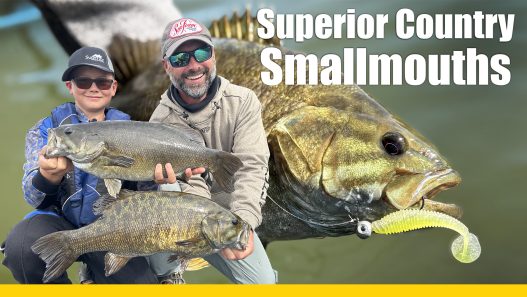
The fishing activity got hot as the day went on, leading to the capture of a real northern giant. The difference was right away when you hooked a fish of that kind. These were northern naturals not Florida-strain largemouths, and they were staking out isolated cabbage patches in large, shallow basins. Modern mapping technologies, especially those with GPS coordinates and waypoint marking, made pinpointing such delicate underwater features possible—an amazing benefit when negotiating difficult fisheries.
Precision Map’s Power
Perfect mapping is important even when fishing near shore. It becomes critical in bigger lakes or offshore locations. The ability of today’s electronics to let anglers return to precise locations repeatedly helps to pattern fish movement and identify consistent success. Thanks to high-definition mapping systems, these elements—from an isolated weed patch to a subtle rise to a rock spine on a level—are now clear and easily accessed.
Reasonably Easy Access to Modern Technology
Professional anglers may outfit their boats with several top-tier units—such as Jim’s arrangement including one Humminbird 800 and two 1100 series models—but today’s market provides amazing functionality at entry-level pricing. The four foundations of electronic fishing success—side imaging, down imaging, sonar, and GPS mapping—are now easily available in small devices with outstanding performance without breaking the budget.
This democratization of technology allows any angler, from any budget, to access the same strategic tools used by professionals in tournaments. One unit providing sonar and mapping will immediately improve your fishing and enable you to locate, analyze, and catch more fish.
Important Characteristics Most Valued
When choosing electronics, give first priority to:
Sonar: Indices depth, bottom composition, structure, and fish directly under the boat.
Mapping helps you to stay oriented and lets you go straight to areas of great productivity.
While higher-end models even offer 360-degree scanning and touchscreen control, presenting layered, real-time insights visually intuitive and easy-to-use, additional features like down and side imaging can improve your ability to identify cover and structure.
As always, balance the value of features against your particular fishing approach and budget. Make sure your finances allow for fuel, tackle, and other basics.
Deeper Payments Pay Off
Although shallow cover generated constant action, the trophy fish were found in deeper weed beds and offshore structure. Particularly as bluegills migrate off spawning beds and create predictable patterns, many natural northern lakes feature the largest bass stage in these deeper zones. Using mapping and sonar to target these transition areas will pay off greatly.
Fish after fish were caught in these sites during the session. The bite stayed hot even as the weather rolled in, underscoring how deep structure regularly generates bigger fish when found and fished correctly.
Optimizing Resources, Maximizing Success
From shallow water anchors like Talons to GPS-enabled trolling motors, from real-time sonar to digital mapping, this trip underlined the power of contemporary fishing technology. Whether the conditions were wind, sun, or rain—using all the tools at hand to their best advantage made all the difference between a good and a great day.
More fish, better fish, and a deeper knowledge of the underwater world are the clear benefits if you are ready to commit time in learning how to interpret your electronics and apply boat control.

