






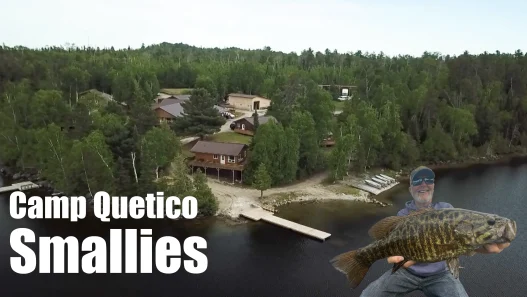




Chasing Bronze in Alexandria: Early Season Smallmouth Bass Tactics
Big Bites on the Flats
On a recent spring outing, we found ourselves in the heart of Minnesota’s smallmouth bass boom. We were fishing in the Alexandria area, a region rich with lakes and renowned for its multi-species opportunities — from smallmouth and largemouth bass to crappie, walleye, pike, and even muskie. On this particular day, the focus was all about one thing: big, pre-spawn smallmouth bass.
The fish were aggressive. As soon as a tube bait hit the water, it wasn’t long before a big black bass crushed it. These weren’t just average smallmouth either — we’re talking about thick, strong, football-shaped fish. The kind that leave your hands shaking after the fight.
The Draw of Alexandria
The Alexandria region is a true angler’s paradise, with abundant water and exceptional fisheries. After returning from Vietnam, I had scouted many Minnesota communities with my brother Ron, and though we eventually settled in Brainerd, I often find myself sneaking over to Alex for a reason: the fishing here is simply world-class.
The ice had only recently gone out, about two to three weeks prior, and water temperatures hovered around 58°F. That placed us right on the cusp of the smallmouth spawn. Fish were staging, and some were already beginning to make their nests. You could see them moving in heavy, and the lake’s crystal-clear water made sight-fishing possible in just a few feet of water.
Understanding Smallmouth Behavior in Spring
Early-season smallmouth are incredibly sensitive to weather and water temperature. A minor cold front can make fish disappear from a flat overnight. That’s why the key to success is mobility, persistence, and understanding how these fish move. One day a flat is loaded with bass, the next it’s barren. Often, you’ll see a spot turn on by afternoon after being dead all morning.
Not all flats are equal. Google Earth can be a powerful tool for scouting these areas — but you’re looking for specifics: shallow flats with broken rock, scattered gravel, and the occasional large boulder. The right kind of bottom composition attracts fish.
The Importance of Long Casts
When targeting these shallow-water fish, long casts are critical. The water is so clear that anything too close to the boat risks spooking fish. That’s why a stealthy approach using either a trolling motor or Talon style anchoring systems can be the difference between success and failure.
We were throwing light tackle, using finesse presentations like 2.5-inch Big Bite salt tubes rigged on VMC finesse football heads. These jig heads feature a unique Neko-style hook with a shallower throat that pins fish securely once hooked. It’s an ideal setup for catching hard-fighting bass in clear, shallow water.
Fish on Beds and the Afternoon Bite
As we progressed into the afternoon, the activity picked up. Water temperatures ticked into the low 60s and bass began making nests — you could see rubs on their sides, clear signs of bedding behavior. These moments are golden. Spotting a cruising fish, making a cast, and watching them eat is one of the most exciting ways to catch smallmouth.
And they were hungry. Even with finesse-sized plastics, we were catching fat, healthy bass — some already getting close to spawning weight. The system of fishing with light line, subtle baits, and stealthy boat control really began to shine.
Gear That Delivers
The finesse revolution for smallmouth started when big-league tournament trails began targeting northern waters. Anglers quickly realized that finesse baits outperformed power tactics in clear water. Companies like VMC and Big Bite Baits responded by offering a wide array of gear tailored to this style of fishing. Whether it’s football heads, mushroom heads, or the now-popular swinging Ned rigs, the options are better than ever.
One favorite setup is the Big Bite Smasher — a small-profile bait that pairs perfectly with an articulated swinging jig head. Originally intended for drop shotting, it also excels on light jig heads where its buoyancy and action can really come alive.
Smart Mapping and Boat Control
Another critical tool is mapping technology. With a LakeMaster chip, I could pinpoint structure, rock piles, and isolated boulders on flats. These micro-spots are magnets for smallmouth in early spring, especially in cold water conditions.
Boat control is equally vital. Whether you’re using a trolling motor to cover water stealthily or anchoring in one spot and fan casting to incoming fish, matching your strategy to conditions makes all the difference.
As we wrapped up a segment, I reflected on how even a seemingly calm, bluebird day can still produce big bites — as long as you’re fishing the right areas with the right techniques.
Precision, Presentation, and Faith on the Water
Fine-Tuning Finesse Presentations
A key element of our success during this early-season smallmouth bite was maximizing the action of high-buoyancy soft plastics using articulated jig heads — like the swinging Ned rig. That articulated arm allows the bait to skip and hop subtly across the bottom, even with the lightest drag, mimicking a fleeing craw or baitfish. In ultra-clear, shallow water conditions, that kind of realistic movement can make all the difference.
We found some of the most consistent action in inside corners near docks, particularly where deeper access met shallow flats — classic pre-spawn positioning. As we approached these spots, fish often gave themselves away with visible swirls or flashes.
The Perfect Finesse Setup
When fishing finesse techniques in gin-clear water, your equipment matters. Long casts are essential to avoid spooking fish, and that starts with a well-balanced rod and reel combo:
- Rod: A St. Croix Legend Tournament Bass Series 7’3″ Medium-Light Extra-Fast Action rod. Sensitive and responsive, it excels at detecting subtle takes.
- Reel: Daiwa Tatula MQ LT 3000, lightweight but with enough drag and torque to handle big smallmouths.
- Line: 8-lb Sufix 832 braided mainline paired with a 10-ft leader of 8-lb Sufix fluorocarbon for stealth and abrasion resistance.
This setup allows you to get your bait way off the boat — crucial when casting to shallow targets like bedding fish, isolated rocks, or sand-to-gravel transitions.
A Season of Smallmouths
In Minnesota, we’re fortunate to fish for smallmouths from ice-out to ice-up. And finesse gear is a constant companion. Over the season, we rotate through a variety of VMC jigheads tailored to specific conditions:
- Finesse Football Head: Perfect for tubes or craw-style plastics. Great in moderate depths with rocky bottoms.
- Classic Ned Rig Jig: Lightweight and versatile, available in sizes from 1/16 oz for ultra-shallow flats to 3/8 oz for deeper structure.
- Swinging Ned Rig: Adds lifelike movement with buoyant baits, ideal when fish are less aggressive.
- Half Moon Jig (Finesse & Long Shank): Great for larger profile baits or when you need a slightly beefier hook without sacrificing subtlety.
Each jig has a place, and having options ready ensures you can adapt to what the fish want on any given day.
Finding the Right Flats
Locating productive water quickly is easier with the right tools. Using the Humminbird shallow water highlight feature, we set a depth range of 0–8 feet to instantly locate the biggest shallow flats. Then we combine that with side imaging sonar and visual cues using polarized glasses (we prefer Wavy Label) to pinpoint the fish.
Key areas to focus on include:
- Bottom composition transitions (sand to gravel, gravel to rock)
- Isolated boulders
- Depressions or subtle breaks
- Visible bedding fish
If water clarity limits sight-fishing, sonar becomes your best friend — helping you mark structure and set waypoints efficiently for fan-casting.

