




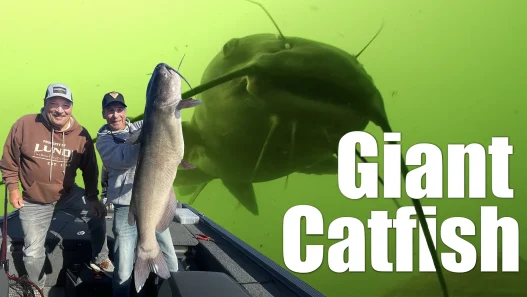






Fishing today is a popular thing to do in Minnesota, but it’s important for people who fish to know the rules and laws that apply to each lake. This article examines the efforts of the Minnesota Department of Natural Resources (DNR) to protect and enhance the state’s fish populations. We’ll also go fishing with the hosts of Angling Edge TV and talk about how important it is to know and follow these rules.
Rules to Protect Lakes
The DNR has made rules and regulations for each lake to stop overfishing and keep fish populations healthy in the long run. These rules say that some species can only be caught in smaller bags and at certain sizes. The goal is to keep lakes safe before they run out because of too much fishing.
In the past, regulations were more generalized across all lakes in Minnesota. The DNR now manages lakes one at a time, though, so fishermen need to know the rules for each lake they fish. The Minnesota DNR website and landing pages provide information on the regulations for each lake, including any special regulations for panfish.
Why It’s Important to Protect Panfish
In Minnesota, bluegill and crappie are two of the most popular and caught panfish. They are also slow-growing, which means it takes a long time for them to reach a large size. It can take a long time for the population to come back if all the big panfish are caught in one year.
The Minnesota DNR is working on making more rules about panfish to fix this problem. There are currently special rules for panfish on about 70 lakes, but the goal is to add these rules to almost 200 more lakes. These rules include smaller bag size limits and other steps to keep larger panfish safe.
But rules alone aren’t enough. Anglers need to know how important it is to protect big panfish and be ready to follow the rules. As anglers, it is our job to keep the fishery healthy and balanced by taking fewer big panfish and putting them back in the lake.
Fishing in the Late Fall
The hosts of Angling Edge TV are fishing in the video in late fall, when the water is in the 50s to low 60s. The weeds start to die off at this time, which makes fishing easier. The fish tend to set up on distinct edges, such as pad edges, drop-offs, and coontail mats.
They are using moving baits, such as spinnerbaits and vibrating jigs, to cover a lot of water and target shallow water bass. This time of year, the fish are eating a lot to get ready for the colder months.
Fishing in Tournaments and for Panfish
The hosts also talk about how popular tournament fishing is in Minnesota, including multi-species tournaments that include panfish. Tournament fishing has become increasingly popular, especially among younger anglers, and it helps bring more people into the sport.
Through rules and regulations that are specific to each lake, the Minnesota DNR has worked to protect and improve the state’s fish populations. The goal of these rules is to keep fish populations healthy in the long term and stop people from taking too many fish. Anglers should know the rules for each lake they fish because rules are now set on a case-by-case basis.
Minnesota is a place where panfish conservation is very important. Panfish, like bluegill and crappie, grow slowly and take a long time to get big. The Minnesota Department of Natural Resources (DNR) is working on more rules for panfish to keep bigger panfish safe. Anglers need to know how important it is to protect big panfish and be willing to follow the rules to keep the fishery healthy and balanced.
The hosts of Angling Edge TV are fishing in the video in late fall when the water is between 50 and 60 degrees. This is when the weeds start to die off, which makes fishing easier. The fish like to stay on the edges of things, like the edges of pads, drop-offs, and coontail mats. They are using spinnerbaits and vibrating jigs that move to cover a lot of water and catch bass in shallow water. The fish are eating a lot to get ready for the colder months.
Minnesota has a lot of tournament fishing, including multi-species tournaments that include panfish. This has brought more people, especially younger ones, to the sport. The hosts also talk about what the Minnesota DNR is doing to manage the state’s fishery and how important it is to follow the rules to make sure that fish populations stay healthy.
In conclusion, understanding and following the rules and regulations set by the Minnesota DNR is crucial for anglers to protect and enhance the state’s fish populations. It is very important to protect panfish, and steps are being taken to put more rules in place to protect larger panfish. Late fall is a great time for fishing, as the weed growth dies off and fish are feeding heavily. Minnesota also has a lot of tournament fishing, which has helped get more people interested in the sport. By following the rules and being careful with the environment, anglers can help keep the state’s fish populations healthy and strong.

