





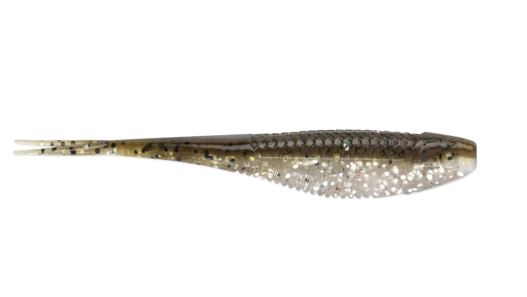




Hair Jigging Bass Today
Bass fishing is a diverse and ever-evolving pursuit. Whether you’re after largemouth, smallmouth, or spotted bass, success depends on understanding how fish behave based on conditions like water temperature, clarity, weather, and season. Anglers have a vast toolbox to pull from—jerkbaits, crankbaits, spinnerbaits, and topwaters for active fish, and dropshots, Ned rigs, stickworms, and swimbaits when finesse is the name of the game.
But one bait that continues to stand out for its subtle yet deadly effectiveness is the hair jig.
A Classic Lure Reimagined
Hair jigs are far from new. Bucktail and feather jigs have been catching bass in the Mid-South since the 1950s, especially for deep ledge fishing. In recent years, “hair balling” with compact jigs has surged in popularity across the Great Lakes and beyond. Al and Troy Lindner are among the anglers refining this simple but effective technique—and they’ve got the catches to prove it.
During a springtime trip to Wisconsin, the Lindners spent several days hopping between seven different lakes, mixing in largemouth, smallmouth, and even crappie fishing. What they discovered, once again, was just how potent hair jigs are when the water hits that magical 50°F mark.
Cold Water, Big Fish
At that temperature range, bass begin moving shallow, and their activity level spikes. This is prime time to explore new lakes and locate populations of quality fish. The Lindners used their Humminbird electronics and LakeMaster chip to find classic early-season spots—funnel areas leading from deep wintering holes to shallower bays.
In these transition zones, surrounded by rock fingers and submerged wood, they caught a slew of big largemouths and smallmouths, many coming on bucktail hair jigs paired with soft plastic boot tails. The fish were stacked in and around structure, and each cast was a new opportunity at a giant.
Three Essential Hair Jigs
Al highlighted three key jig styles for bass:
- VMC Bucktail Jig (Original)
- Pear-head design, weight-forward for fast drop
- Excellent in rocky areas due to snag resistance
- Often paired with a small boot tail for added appeal
- VMC Marabou Jig
- Finesse-oriented, particularly effective during insect hatches
- The go-to choice when smallmouths are keying on bugs
- Most deadly in black, but effective in various colors
- VMC Moontail Jig
- Originally designed for walleyes but deadly on smallmouths
- Big profile with a large eye and premium hook
- Works well with both slow retrieve and snap-jigging techniques
Each jig has a purpose, and when rotated based on conditions, they can cover a wide range of situations for both largemouth and smallmouth bass.
Rod, Reel, and Line: The Hair Jig Setup
To fish hair jigs effectively, gear selection matters. Al relies on a St. Croix Victory Series rod, specifically the 6’10” medium light, extra-fast action model. It offers the perfect balance of sensitivity and casting ability for hair jigs.
His reel of choice is the Daiwa Kagi LT 2500 XH, a smooth, lightweight spinning reel with superb drag performance. Years ago, anglers had to back-reel to manage drag; now, the precision engineering in reels like the Kagi makes finesse bass fishing more effective and enjoyable than ever.
Spot-Lock, Sunglasses, and the Finer Details
During their outing, Al took full advantage of Spot-Lock on his trolling motor—an invaluable tool for holding position in wind or over key structure. Once fish were located, he’d lock in place and fan-cast to pick off more bites.
And because much of this fishing is visual—especially in clear northern lakes—a quality pair of polarized sunglasses, like those from Wavy Label, is a must. Spotting isolated boulders, submerged trees, and subtle depth changes gives anglers a huge edge when targeting pre-spawn bass.
Precision and Confidence with Modern Tech
Spring bass fishing isn’t just about casting and hoping. It’s about knowing where to cast—and that’s where modern electronics shine. When Al and Troy Lindner were spot-locked over a productive boulder flat, they used 360 imaging and side imaging to pick apart the structure. This gave them the confidence to cast in all directions, knowing big bass were nearby.
Every element—from the structure to the water temp—lined up for a hair jig bite, and the results spoke for themselves. Fish after fish came up from the rocks, aggressive and healthy, many hooked perfectly in the top of the mouth.
The Power of the Marabou Jig
One of the undeniable stars of the trip was the VMC Marabou Jig, especially in black. Its effectiveness lies in its simplicity. It’s especially deadly during bug hatches, where its profile and motion mimic the forage bass are keyed in on. With a light six-pound fluorocarbon leader and a ten-pound braid mainline, it’s a system built for stealth and precision.
The jig’s effectiveness isn’t limited to bass either. It’s also a killer for trout—rainbows, brooks, and browns alike—making it one of the most versatile finesse lures in the game.
When rigged properly—with a 6-foot to 10-foot fluorocarbon leader (Al recommends Sufix Advance Fluorocarbon) and quality braid like Sufix 131 or 832—the presentation becomes nearly irresistible.
Gear That Delivers
The Lindners’ gear was dialed in for success. Paired with the marabou jig was the St. Croix Victory Series 6’10” medium light, extra fast rod, ideal for hair jigging. Al’s reel of choice was the Daiwa Kage LT 2500 XH, lauded for its buttery smooth drag and excellent performance in finesse situations.
That light drag played a critical role during long battles with big smallmouth, allowing the fish to run and jump without risking break-offs. The VMC hooks held firm, pinning fish securely—especially crucial when battling them around rock piles and submerged timber.
Hair Jigs: The Best of Both Worlds
What started as a smallmouth fishing trip turned into a mixed-bag bonanza. The hair jig proved just as deadly on trophy largemouth, thanks to its natural movement and subtle presentation. As Al and Troy put it, sometimes “a little tiny hair, hair, hair” is the key to catching the biggest fish in the system.
Each of the three jigs in the VMC hair jig family—bucktail, marabou, and moontail—has a place in the rotation, depending on depth, forage, water clarity, and fish mood. The takeaway is simple: If you’re serious about catching bass, these jigs should live in your tackle box year-round.
A Personal Reflection
To close the trip, Al shared a heartfelt moment with his nephew, Dan—longtime family and production partner—who reflected on their decades working together in the outdoor TV industry. From editing early fishing shows as a teenager to producing nationally aired episodes, their shared history added a sentimental note to the day’s success on the water.
Al also took a moment to speak from the heart about something more personal: faith. While the fishing industry draws a wide array of personalities, he expressed how the casual misuse of the Lord’s name stands out to him—and how, even in such a fast-paced world, maintaining respect for your beliefs matters.
Final Thoughts
Whether you’re chasing giant smallmouths or football-sized largemouths, spring is the perfect time to hit the water with a hair jig in hand. Backed by the right gear, sonar, and a willingness to explore new lakes, you’ll find that these old-school baits—revamped with modern flair—are still some of the deadliest tools in bass fishing today.
From all of us here at The Edge, fish safe, fish smart, and we’ll see you on the water.

