








Swimbaits: Midsummer Bass Authority and Adaptability
One fundamental quality of swimbaits has helped them to become rather popular: adaptability. Anglers can control swimbaits to fit depth and conditions whether fished shallow or slowly rolled across deeper water. Targeting largemouth bass, America’s most sought-after sportfish, their adaptability makes them a mainstay in every bass angler‘s toolkit.
The Addiction Midsummer Bass Fishing in America
With more than thirty million bass anglers in North America, the sport is still flourishing. Particularly, young participation through collegiate bass fishing teams and high school drives phenomenal expansion. Strategies across seasons and areas vary greatly—from refined finesse presentations to strong, forceful methods.
Selecting the Appropriate Lure: Complementing Habitat and Mood
In bass fishing, success mostly depends on choosing the right lure for the cover around the fish and their mood. Many northern, clear-water lakes allow aquatic vegetation like weeds to flourish down to twenty feet. For largemouth bass, these weedy structures offer ideal ambush points; for effectively covering such large, vegetated areas, crankbaits are a great choice.
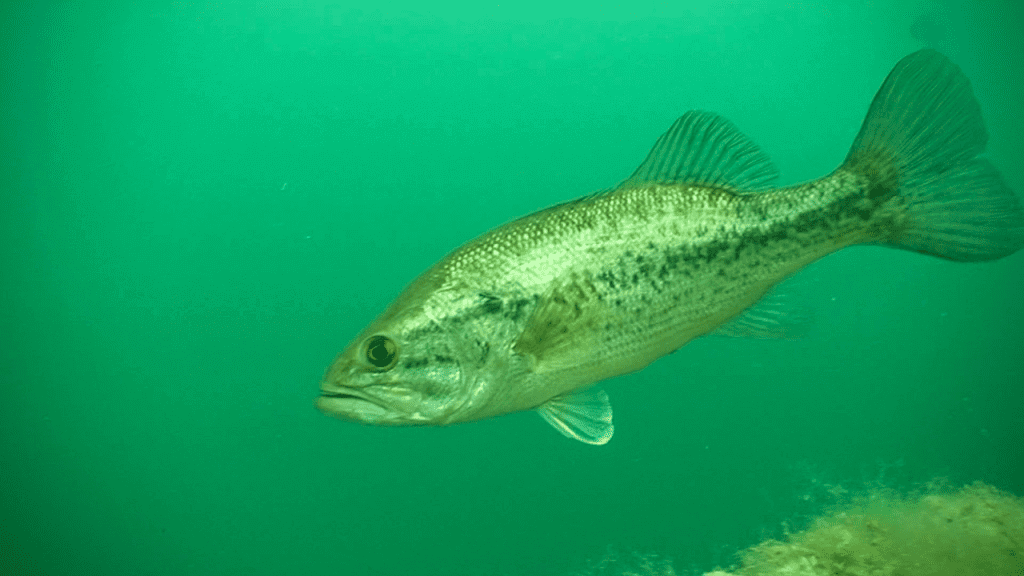
One proven summer tactic is rip cranking the weeds.
For “rip cranking,” along deep weed edges in midsummer, crankbaits like the Rapala DT10 are quite successful. As James Lindner and Dan Quinn show, this strategy can find aggressive bass schools fast. Once on the right edge, one often gets quick, repeated bites.
Particularly in midsummer when bass often wander weed edges in schools, crankbaits have unparalleled ability to contact cover and trigger reaction strikes. A well chosen crankbait lets anglers quickly find high-percentage spots and cover big areas.
Why Do Crankbaits Work All Year Long?
From ice-out to ice-up, and across almost every gamefish species known, Dan Quinn, Pro Staff Manager for Rapala, emphasizes the general use of crankbaits. Targeting salmon in Alaska or bass in southern reservoirs, the correct crankbait can be lethal. Popular models including BX Brat, Shad Rap, and Wiggle Wart all excel in particular situations.
Important Considerations: Presentation Style and Boat Control
Boat control is a sometimes disregarded but absolutely important element of crankbait fishing. Targeting deeper weed edges—say 10 to 12 feet—staying in the correct relative position to structure is essential. Long casts can cover the target zone completely by anglers anchoring precisely on rock edges or shell beds using Minn Kota’s Spot-Lock feature.
Particularly with models like the Wiggle Wart or Brat, lip size and running depth let for quick, wide-ranging searches for shallower water and faster presentations.
Listening to the Conditions: Visual Notes and Bait Movement
Bass sometimes reveal their location with subdued signals. Strikes during retrieve or signs of bluegills responding to bird shadows, for instance, point to suspended baitfish activity—clues suggesting fish hunting higher in the water column. Changing from bottom-dragging rigs like Texas or Tokyo rigs to horizontal presentations like crankbaits or swimbaits can make all the difference when these symptoms start.
Flexibility is essential. Your choice of lure should change with the conditions and bait movement.
The Science Behind Choice of Colors
In crankbaits, color choice can be rather complex. Fishing pressure is very important even if many pros simplify their approach by using natural, subdued colors in clear water and brighter, more solid colors in muddy water. On heavily fished reservoirs, minute variations in lure color can help to separate winning anglers from the pack.
Dan Quinn advises snapping to make color experimentation simple. It saves time retying and promotes more frequent changes, usually producing better results.
Modern Technology and Simple Movements: Comfort and Accuracy
Many anglers are turning to Smooth Moves adjustable seat suspensions, which greatly improve comfort on the water, after years of rough rides and back discomfort. These improvements are a practical improvement for full days on big, choppy bodies of water, not only a luxury.
Technologically speaking, Humminbird’s Mega Imaging Plus has unmatched underwater clarity. Anglers can now precisely identify fish species and structure using sonar scanning 200 feet in every direction, so reducing much of the guessing.
Reading the Water with New Technology: Bass Location Precision
Finding fish precisely and effectively determines fishing success; modern technology makes that simpler than it has ever been possible. Anglers can scan in real-time and locate schools of fish holding at particular angles and distances using tools such as Humminbird Mega 360 For highly targeted casting, for example, seeing a school of bass at “3 o’clock, 30 feet out” validates the tech and the technique when several fish react.
Particularly useful on intricate structures like weed bed corners, inside turns, and points—exactly the kinds of areas where summertime bass often wander while pursuing bait like bluegills—are these observations.
Dealing with Fish Behavior in Weeds
Bass never stay in one spot. Many days, they follow bait schools across dense undergrowth, sometimes grazing like cattle in fields abundant in forage. As this session shows, fast-paced action results from locating an inside corner with bluegills and bass stacked in leads. But as James Lindner notes, fish are not going to remain fixed. Following the food elsewhere in the weed bed, these wandering schools could be gone the next day.
Starting Bites: Communication and Directional Change
In conventional crankbait fishing, touch with hard cover—such as wood or rocks—causes direction changes that set off strikes. The technique is different but equally successful in grass. A sharp snap of the rod usually releases a bait when it ticks the tops of weeds or gets caught, producing a rapid directional change. < Sometimes that moment of freedom sets off aggressive reaction bites from bass hiding nearby.
Keeping the bait erratic requires mixing up retrieves—stopping, starting, accelerating, or slowing down—especially in grassy surroundings when hard contact is not an option.
Rod, Reel, Line – Gear That Gets the Job Done
Extremely presentation-specific, crankbait fishing calls for the correct gear to make a big difference.
Rod: Perfect is a 7’4″ St. Croix Mojo Glass rod with a medium-heavy, moderate action. Fish can grab and hold onto the bait using glass or composite rods, so avoiding the angler dragging it away too early.
A Daiwa Tatula SV TW with a 6.3:1 gear ratio gives solid torque and the correct speed for deep cranking.
Line: 14 pound Important when tearing baits through weeds or bouncing off hard cover, Sufix Advanced Fluorocarbon provides low stretch, great sensitivity, and abrasion resistance.
Without compromising style, this gear combo guarantees that anglers can cast far, control the bait, and keep a strong hookset.
Enhanced Hooks: Bladed Options and Hybrid Trebles
Especially when bouncing baits across cover, hook sharpness counts. Curved-in design of Rapala’s hybrid treble hooks helps to keep fish pinned. The Bladed Hybrid Treble is another invention featuring a tiny blade on the hook shaft. This subdued flash can re-fire a cold-blooded school of fish, giving just enough variation to set off a strike.
As shown, changing to a bladed treble set off a strike so strong that the bass literally grabbed the lure out of the air before it ever touched the water—a monument to the force of these minute improvements.
Crankbait Fishing Right At Its Peak
A crankbait bite is, in the best terms possible, pure anarchy. School of bass explode on baits. Several hooking occur rapidly one after the other. You are seeing sonar one minute, then you are frantically unhooking fish while another rod bends over in the holder. Few other strategies can match the degree of thrill James and Dan go through.

