








In this article, we will be discussing postspawn smallmouth bass fishing and the different techniques and strategies that can be used to catch these elusive fish. Smallmouth bass are known for their adaptability and can be found in a variety of different environments, including natural lakes, rivers, and reservoirs. Understanding the different cover options and structures in these environments is key to finding and catching postspawn smallmouth bass.
Structure vs. Cover
Before we dive into the specifics of fishing for postspawn smallmouth bass, it’s important to understand the difference between structure and cover. Structure refers to the shape of a particular feature on a lake, such as a sunken island, a point, or an inside corner. On the other hand, cover refers to what is on those structures, such as weeds, wood, or rocks.
Natural Lakes
When fishing for postspawn smallmouth bass in natural lakes, hard bottom areas like boulders are key all year long. The bigger the b boulders, the better. Some lakes may also have massive weed beds, and smallmouth bass like to get in them. Look for hard bottom areas adjacent to or in the weeds, as these clumps of boulders inside giant weed beds are high percentage spots that will produce year after year. It’s important to note that each lake is individual and has different weed types and density, as well as varying growth from year to year. Smallmouth bass can live in any type of soft cover, such as reeds, cabbage, and coontail. The trick is to find the pattern and weed them out. 
Rivers and Reservoirs
Fishing for postspawn smallmouth bass in rivers and reservoirs can be more challenging due to the variety of cover options available, including rocks, weeds, wood, and the x-factor of current. However, it may be easier than you think. A simple rule of thumb is to sample all the cover types and whichever one you catch a fish on, fish more of that. Smallmouth bass are very predictable in these environments, and some days they’ll be on wood, while on other days they’ll be on weeds or rocks. Be flexible, roll with the punches, and stay tuned in to whatever cover type the fish are coming off of, and a pattern will emerge.
Postspawn Smallmouth Bass Fishing Techniques
In the postspawn period, smallmouth bass fishing is all about finesse. One popular technique is using tube jigs. Tube jigs are a must-have in any smallmouth fisherman’s tackle box. They can be rigged in two different ways: with an external head like a BMC half moon or with an internal head like a BMC tube jig. The external head provides a dramatic up-and-down fall rate with little side-to-side action, while the internally rigged tube has a lazy gliding motion on its descent. Both techniques can be effective, so it’s important to be prepared with both rigging options.
Another effective technique for postspawn smallmouth bass fishing is the Carolina rig. This rig is typically rigged with a tube or a craw, and it’s great for when the smallmouth bass want the bait sitting on the bottom or slowly moving along. The Carolina rig gets to the bottom quickly and has a natural look to the plastic because there’s no weight, just a hook.
The darter head and trick stick combo is another popular choice for postspawn smallmouth bass fishing. The trick stick can be rigged in two different ways: standard or wacky. Smallmouth bass seem to love the stick shape, and it provides a different profile than the other rigs.
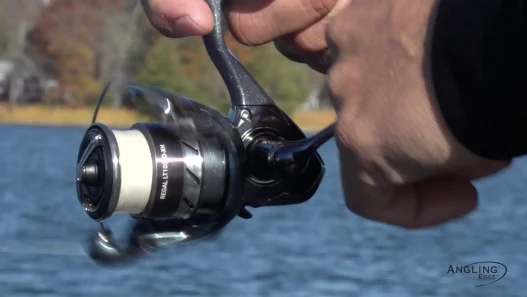
Having the right tools on the deck can make a huge difference in how you present baits and can make the fish-catching process more fun. When it comes to rods, spinning rods are the go-to choice for finesse fishing. Different length rods and reel sizes are used for specific applications. For lightweight baits, a smaller reel and a shorter rod are preferred, while for bottom fishing with bigger baits, a larger reel and a longer, stiffer rod are used.
Conclusion
Postspawn smallmouth bass fishing can be a challenging but rewarding experience. Understanding the different cover options and structures in natural lakes, rivers, and reservoirs is key to finding and catching these elusive fish. Using techniques like tube jigs, Carolina rigs, and darter heads with trick sticks can increase your chances of success. Remember to be flexible and adapt to the changing conditions, and most importantly, have fun on the water.

