








Open Water Trolling Super Shad Rap for Musky on Eagle Lake
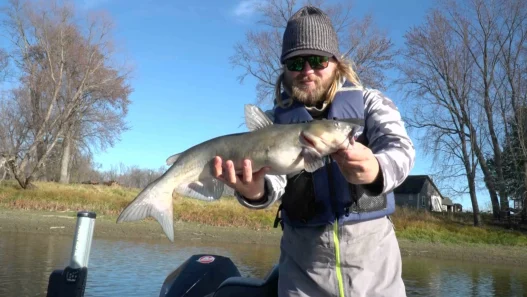
Fall muskie fishing can be electric, and our day on Ontario’s legendary Eagle Lake proved just that while trolling Super Shad Rap for musky. With ideal conditions and a refined trolling approach, we experienced an explosive session targeting giant muskies using planer boards, versatile baits, and an open-water mindset.
A Quick Strike and a Proven Tactic
As soon as we deployed a new board line—right after boating a solid muskie from a nearby basin—we were into another fish. The results were immediate and impressive. By spreading our lines away from the boat using planer boards, we dramatically increased our odds and our ability to cover productive water.
The area we focused on was a neck-down section with a muddy bottom surrounded by weed beds in 15 to 20 feet of water. This spot opened into deeper “ocean-like” water, offering both structure and opportunity—an ideal combination for open-water trolling. 
The Super Shad Strikes Again
Our weapon of choice? The classic Rapala Super Shad Rap. It’s a tried-and-true bait that continues to produce, even in an era of increasingly massive muskie offerings. While big baits have their place, the Super Shad remains a consistent favorite, thanks to its lifelike action and reliability.
We even added a subtle but effective modification—a feathered trailer hook. This little addition adds profile and triggering movement to the bait. Muskies, like many predatory species, often key in on that back feather. It’s a trick borrowed from the Rapala X-Rap and has translated across species from smallmouth to walleye—and now, muskie.
Why Planer Boards Matter
Why troll? Simple—because it allows you to cover massive amounts of water. Why use planer boards? Because they spread your presentation horizontally, placing more lures in front of more fish. The result: more hookups.
Eagle Lake is home to both trophy muskies and walleyes, making it perfect for a mixed-species approach. While we targeted muskies, we intentionally ran versatile baits capable of appealing to both species. With multiple anglers (and a cameraman with a license) aboard, maximizing our line spread was key to success.
Shallow Runs for Deep Rewards
Not all bites came from deep. One of our best fish of the day smashed a bait running shallow behind the inside board—a tactic often overlooked. While many anglers position their planer boards far from the boat in open water, we ran baits closer and shallower, especially near structure like rocky shorelines and weed edges. This proved lethal.
One particular fish was caught off a classic fall transition point—where shallow weed flats taper into the depths. These are textbook muskie migration routes in the fall, as fish begin moving from the shallows into wintering basins.
Patterning Giants in Sunset Country
The excitement didn’t stop. Again and again, these shallow-to-deep transition zones produced. Giant fish. Multiple fish. A clear, repeatable pattern. And that’s what makes Eagle Lake so special—it offers both the size and the structure to find, follow, and repeatedly catch muskies.
Sunset Country in Ontario is a muskie angler’s paradise. Whether casting or trolling, knowing where and how to intercept these apex predators is the key. And with the right tools—boards, baits, and a solid understanding of fish movement—you’re set to turn good days into unforgettable ones.
Final Thoughts
If you’re heading north this fall, remember:
- Cover water: Trolling allows for efficient exploration.
- Use planer boards: Get your baits away from the boat.
- Don’t ignore shallow structure: Even when trolling, shallow baits catch big fish.
- Modify your lures: A feathered trailer hook can make all the difference.
- Pattern points and transition zones: Fall muskies are predictable—use that to your advantage.
Eagle Lake continues to deliver not just single trophies, but days full of big, aggressive muskies. Come ready, and you’ll be rewarded.
See you on the water in Sunset Country.

