








Chasing Gold: Exploring Ontario’s Rushing River Watershed for Trophy Walleye
The Power of Tradition and the Allure of Adventure
Fishing has long been more than a pastime—it’s a tradition passed down through generations. For some, it means returning year after year to the same Canadian lodge where family stories and fish tales grow with each visit. For others, it’s about the thrill of the chase—venturing into uncharted waters, driven by the hope of discovering new hotspots and creating lasting memories. And for a determined few, it’s a relentless pursuit of trophy walleye—an obsession often referred to as “gold fever.”
Few places feed that passion like Ontario’s Rushing River Watershed. This sprawling system—from Hawk Lake in the northeast to Dogtooth Lake in the southwest—is a paradise for adventurous anglers. Teeming with walleyes, smallmouth bass, crappies, pike, and lake trout, this remote region is as bountiful as it is beautiful. Towering pines, crystal-clear glacial lakes, and endless fish-holding structure offer a truly world-class experience.
A Day Begins on Hawk Lake
On this episode of The Edge, viewers are treated to an immersive look into the magic of the Rushing River Watershed. James and Troy Lindner set the stage, highlighting not only the breathtaking scenery but also the incredible fishing action. Their adventure starts on Hawk Lake—a body of water known for its deep structure, clean waters, and record-setting fish. 
The action kicks off quickly. What initially feels like a snag turns into a tug-of-war with a shallow-water giant. After switching from leeches to nightcrawlers, the change pays off with an immediate strike—proof that small presentation adjustments can make all the difference. The excitement builds as the fish—revealed to be a massive Hawk Lake walleye—dives and bulldogs its way around the boat.
As the anglers work together to net the fish, it becomes clear this is no ordinary catch. The walleye is so big it barely fits in the net. As they hoist it from the water, the magnitude of the fish—likely pushing well past the 30-inch mark—elicits awe and admiration. After a quick release, they reflect on the lodge’s report: over 125 trophy walleyes caught in just the first two weeks of the season.
More Than Just Fishing: Brotherhood and Fresh Fish Fries
For many, fishing is more than the catch—it’s about camaraderie. The Lindners highlight this with mentions of friendly competition among friends and the satisfying end-of-day ritual: a fresh fish fry under the stars. With clear northern skies and the occasional flicker of aurora borealis, it’s hard to imagine a better backdrop for connection and relaxation.
Hawk Lake Lodge: A Premier Destination
To understand the draw of this region, one must also appreciate its accommodations. Hawk Lake Lodge is a premium, drive-to resort that balances high-end comfort with wilderness access. With private waterfront cabins, gourmet meals, and luxurious amenities like saunas and hot tubs, it offers everything an angler could want after a long day on the water.
The lodge provides access to 18 remote portage lakes in addition to Hawk Lake itself, which covers 2,600 acres and reaches depths of over 400 feet. From early-season lake trout to summer pike and year-round smallmouth bass, there’s something for every angler. But what sets it apart is its reputation for trophy walleyes, thanks in large part to its catch-and-release policy and rich forage base of dwarf and standard ciscos.
The Legendary Waters of Dogtooth Lake
Further downstream lies Dogtooth Lake, another jewel in the Rushing River system. Long heralded as one of North America’s best big-walleye lakes, Dogtooth has a well-earned reputation among serious anglers. The lake’s structure, forage base, and genetic potential have produced fish over 20 pounds. Stories abound of epic battles with behemoths that never make it to the boat.
The lake is home to multiple species, with crappie and lake trout shining during shoulder seasons, and smallmouth bass offering explosive action throughout the year. Northern pike can be found lurking in spring spawning bays, and the walleyes—particularly the giants—keep anglers coming back for decades.
Technology and Tactics: Mapping Unfamiliar Water
As the Lindners navigate unfamiliar sections of Hawk Lake, they rely heavily on modern tools like Humminbird’s AutoChart Live. This mapping technology allows them to create real-time contour maps, helping identify humps, boulders, and fish-holding zones as they go. By combining side imaging, sonar, and GPS data, they’re able to dial in productive areas quickly—an essential edge on new water.
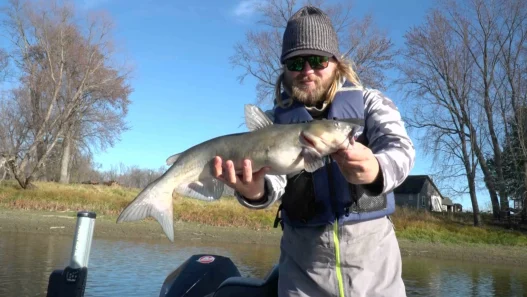
The results speak for themselves. One after another, thick-bodied, colorful walleyes come to the boat, each one showcasing the health and vitality of the fishery. From the deep hues of their golden scales to their muscular build, these fish are a testament to the lake’s habitat and management.
Snap Jigging Success and the Power of Presentation
As weather patterns shifted over Hawk Lake, anglers experienced firsthand how overcast skies and light chop can dramatically influence the bite. Where earlier in the day the water had been still and the fish hesitant, the incoming system energized the walleye. With the clouds rolling in, the Lindners took full advantage—hooking into yet another giant.
This particular fish, caught on a snap jigging presentation, showcased the effectiveness of adapting to changing conditions. Snap jigging involves sharp rod movements to pop the bait off bottom structure, often provoking aggressive strikes. A 25- to 26-inch class walleye soon found its way into the net—another gem from Ontario’s wilderness.
Rods, Reels, and Rigs: The Canadian Walleye Toolkit
Preparing for a Canadian walleye trip can be overwhelming. But by breaking gear down into three simple presentations—jigging, rigging, and bouncing—anglers can pack smart and fish efficiently.
Jigging Setup
- Rod: 6’8” to 6’10” medium-light or medium power with extra-fast action
- Example: St. Croix Icon Walleye Snap Jig Rod
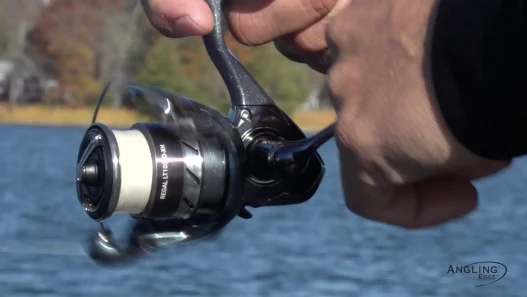
- Reel: Daiwa Ballistic
- Best For: Snap jigging with Big Bite soft plastics on VMC Moon Eye jigs (⅛–⅜ oz.)
Rigging Setup
- Rod: 7’ medium-light, fast action
- Example: Icon Rigging Rod with Daiwa Fuego Size 2000
- Rigging Tip: Use VMC Octopus hooks or pre-tied Fast Grip rigs with tungsten worm weights for excellent bottom feedback
Bouncing Setup
- Rod: 7’ medium-heavy, moderate action
- Example: St. Croix Icon Bouncing Troll paired with a Daiwa Megaforce THS
- Features: Twitching bar lets you pick up slack line without turning the reel
- Tackle: Bottom bouncers (1–3 oz), spin drift rigs, crawler harnesses, Revolution Hex Spinners, and shallow-running Rapalas
Line Recommendations
- Jigging: 8-lb Sufix Pro Mix or 10-lb Suffix 832
- Rigging: 6-lb Suffix Nano Braid or 6-lb Suffix Elite
- Bouncing: 10-lb Suffix 832
With this gear selection, anglers can confidently tackle nearly any condition they’ll face in Canadian waters.
Big Fish After Big Fish
As the day continued, the walleye action didn’t slow down. One massive specimen after another made its way into the net. Each fish carried the same impressive characteristics: thick shoulders, vibrant coloration, and that signature golden shimmer that drives anglers into a frenzy. It was clear—these were not average walleyes, but fish-of-a-lifetime caliber.
One moment stood out in particular. Another giant walleye, too big for a simple net job, thrashed in protest as it was wrestled to the surface. “Gold. Gold and delicious,” the anglers exclaimed—before promptly releasing the fish, in accordance with Hawk Lake’s catch-and-release-only policy. This dedication to conservation is a core reason why the Rushing River system continues to produce such exceptional specimens year after year.
Environmental Factors: Why the Bite Turns On
Earlier in the day, fish were visible on sonar, but inactive under high skies. Once the weather turned, so did the fish’s behavior. A light breeze, lower light conditions, and overcast skies suddenly had big walleyes chasing jigs again. Subtle changes like this can mean everything in wilderness fisheries—an important reminder for visiting anglers to remain adaptable and patient.

