




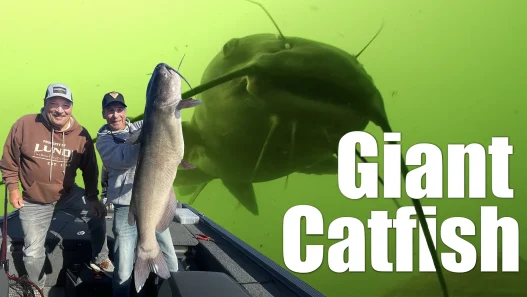






Reindeer Lake: Northern Giants & Early-Fall Tactics
First Impressions of an Immense Frontier
Reaching the Manitoba–Saskatchewan border feels like touching the edge of the map, and Reindeer Lake really does sprawl beyond the horizon. At more than 2,000 square miles, it ranks as the ninth-largest lake in Canada—a watery wilderness where you can idle the outboard all day and still feel as if you’ve only skimmed the surface. For this adventure Nick and I based out of Lawrence Bay Lodge, a log-built enclave on the lake’s southern shore that would serve as home for a solid week of big-fish hunting.
Mission #1: A Personal-Best Pike
We dedicated our first three days exclusively to northern pike, and the lake delivered in spades. Early on I hoisted a 43-inch Reindeer Lake giant—my new personal best—and we punctuated nearly every drift with whoops of “Sweet!” as fish after fish bulldozed back into the weed beds. Capturing it all from above, our drone footage showed just how colossal—and clear—this system really is.
The Seasonal Sweet Spot
Although many anglers chase trophy pike here in spring, our late-summer (early-fall by local standards) timing proved lethal. Dropping nighttime temps pushed water temps down and concentrated fish on steep, still-green weed edges. Those deep cabbage lines became conveyor belts of toothy predators.
Why Early Fall Works
- Stable Weed Growth – Dense cabbage remains green and oxygen-rich, attracting forage.
- Vertical Edges – Reindeer’s classic Canadian Shield structure offers abrupt breaks that funnel fish up to ambush.
- Cooling Water – Pike slide slightly deeper yet stay aggressive, willing to chew sizable baits.
Go-To Presentation: Tubes & Swim Plastics
In thick salad you need something that glides rather than plows. My top producer was a 6-inch Big Bite tube pinned to a ½-oz VMC swimbait head and hitched to a short shank of 30-lb titanium. The tube compresses on the strike, driving the hook home, yet slips cleanly through stalks that would foul a treble-armed hard bait. Rods were nothing exotic—7’4″–7’11” bass-flipping sticks—spooled with 30–50 lb Sufix braid.
Tip: Never head to northern Canada without a “big bag of plastics.” Cold-front fish in particular love the slow, floppy undulation of rubber.
The Power of the Two-Punch
While I probed pockets with the tube, Nick slow-rolled a spinnerbait over the tops of the weeds. That one-two rhythm—flashy blade to call them up, subtle plastic to mop up—kept the action rolling. If fish shrugged off metal, they usually couldn’t resist the following soft bait pitched right into the cabbage holes.
Cold-Front Adjustments
A sharp dip into the 40s overnight sent surface temps tumbling, but switching at least one rod in the boat to rubber turned fussy followers into biters. Larger—but not musky-large—profiles (5–8 inches) gave the pike an easy, slow target they could pin down in the chilled water.
Punching Dense Cabbage Like a Bass Pro
Some beds were so thick even spinnerbait arms bogged down. Here we treated the pike like largemouth in matted grass:
- Pitch a heavyweight jig straight through the canopy.
- Shake the stalks—don’t yank free right away. Vibrations alert nearby fish.
- Pop it clear and brace for impact.
Blind or sight-impaired fish often track the commotion by feel before striking, as proved by a one-eyed pike that crushed the jig moments after a weed-shaking sequence.
Dialing In: Vertical Presentations & Weed Line Success
As the day progressed, we fine-tuned our presentation even more. One of the pivotal discoveries on this trip was how effective vertical movement was compared to traditional horizontal retrieves. Whether we were snapping baits free from rocks or ripping jigs through cabbage, that momentary pause or sudden movement often triggered a strike.
The power of pause, especially when breaking free from weeds, became apparent as multiple solid fish hit right after a quick pop or jig shake. It’s a principle that applies across species—bass, walleye, pike, and muskies all respond to abrupt motion changes, particularly in cool water and dense structure.
Jigs in the Weeds: The Winning Formula
By mid-trip, the “program” had clearly emerged—jigs and plastics vertically presented into heavy weed cover. While spoons and crankbaits can be productive, they weren’t outpacing the effectiveness of flipping big soft plastics. Once we locked into the vertical pattern, the pike fishing became lights out.
Pike weren’t just scattered—they were stacked in these deep, green weed beds like it was early spring in a shallow bay. The sheer volume of quality fish was mind-blowing. Time and again, we’d flip into cabbage holes, see a flash or swirl, and stick another thick northern.
Gear Talk: The Ultimate Pike Setup
For this type of heavy-duty finesse fishing, gear choice matters. One of the top-performing combos was a St. Croix Legend X 7’4” heavy power fast-action rod, paired with a Daiwa Zillion HD baitcaster. The 7.3:1 gear ratio gave us the torque and retrieve speed needed, and the T-Wing System added effortless casting distance. Spooled with 40-lb Sufix 832 braid, the setup was perfect for launching big baits and yanking fish from thick cover.
This outfit provided the perfect balance of strength, control, and precision, making even the biggest “jacks” manageable on bass-sized gear—and that just makes the whole fight more fun.
The Bonus Round: A Lake Trout Blitz
Although our focus was big pike, we couldn’t leave Reindeer Lake without tapping into its phenomenal lake trout fishery. On our final day, we dropped into deeper holes where the trout were staging before the spawn. What we experienced next was nothing short of outrageous.
“This is absolutely ridiculous… and I thought the pike fishing was good!”
Using heavy jigs and crippled herring spoons, we couldn’t even get to bottom without a hit. Within minutes, we were doubling up, one after another. After four hours of nearly non-stop action, the final clicker count read 131 lake trout. It was hands-down the best laker bite either of us had ever experienced—fast, furious, and unforgettable.
One Last Pike
Before packing it up, we squeezed in one last drift—and the lake rewarded us with a true tanker pike. Watching a massive fish ghost through the weeds and inhale a yellow tube in one fluid motion was the perfect capstone to our time on Reindeer.
“That is the fish we came up here for.”
Reindeer Lake didn’t just live up to the hype—it shattered it. From 43-inch trophy pike to triple-digit lake trout action, early fall in northern Saskatchewan proved to be an angler’s dream.
Fishing in for Saskatchewan pike on the renowned Reindeer Lake are Nick Lindner and Jeremy Smith, the hosts. They experiment with several baits and approaches to find the ideal one for pike. They have an amazing day of fishing and spend some time chasing lake trout as well. The episode highlights the local beauty and the fish abundance. Let’s explore their fishing trip’s specifics now.
Fishing in Saskatchewan Pike in Fall
Starting with a six-inch Big Bite tube and a VMC swimbait head, Nick catches a stunning pike. He says it’s crucial to use the correct gear and bait to target the fish since in the fall they are typically deeper. He advises utilizing a seven-foot to seven-foot 11-inch bass flipping stick and 30-pound titanium line among other gear. He also notes that larger fish can be handled with St. Croix muskie gear.
Using baits that can descend into the cover and work over it is the secret. Among the several baits Nick and Jeremy have been trying, plastics, jerkbaits, and spinnerbaits. Especially in pressurized or cold front situations, they stress the need of not undervaluing plastics and rubbers.
Great choices are plastics such as straight mineral profile tubes and large swimbaits or grubs. The secret is to use a decent-sized bait, between five to nine inches as pike are not scared of size and will go for it. One benefit of pike is that they will also bite smaller presentations, which will enable less gear and a more fun fishing day.
Saskatchewan Pike at Green Weed Beds
Nick and Jeremy talk on how pike among fish enjoy green weed beds. These deep green weeds draw fish, regardless of season—spring, summer, or fall. They draw crappies, walleyes, bass, muskies, and huge pike among other species. Targeting these weed beds is advised for effective fishing expeditions.
Fishing Saskatchewan Pike amid Dense Weeds
Nick shows how to fish amid heavy vegetation. He advises shaking the weeds with the pole when the bait gets caught in them rather than dragging it. This tells the nearby fish there is something there. Although pike and other species can also benefit from this method, muskies find great use for it. Popping the bait off the weeds is another crucial advice since this usually results in hits. Not just pike and musky fishing but also other fishing situations can benefit from this approach.
Playing about with presentation.
When fishing in several environments, Jeremy stresses the need of trying out presentation techniques. He says that how many fish you capture and how you can get the lures to the fish can be much influenced by presentation. Fish should be able to see the bait under thick vegetation cover. Effective use of heavier jigs capable of punching down into the cover is Jeremy has been successful catching gorgeous pike using bigger jigs to get his baits down into the dense weed cover. Their advice is to change the presentation depending on the habitat and fish behavior.
Using the Correct Tool
Nick shows the pike fishing gear he has been using. He advises heavy force and swift motion with a seven-foot to seven-foot 11-inch St. Croix Legend X bass flipping stick. He matches it with a quick reel like the Daiwa Tatula SV TW 7.3:1 and 30-pound titanium line. Long casts and the force required to handle large pike and work baits through thick weed cover are made possible by this arrangement.
Fishing For Lake Trout
Nick and Jeremy choose to spend some time tracking lake trout on their last day. Given Reindeer Lake’s profusion of lake trout, they sought to capitalize on it. Over four hours, they catch 131 lake trout, having an amazing day of fishing. Targeting the lake trout, they employ heavy jigs and crippled herring baits; the action is quick and thrilling.
A Thoughtful Idea
Joel tells me a creative idea he had about beginning his day straight forwardly towards God’s Word. Opening his phone in the morning, he sees God messaging him starting with “This is the day I made, rejoice and be glad in it.” Joel finds fun and inspiration in the concept even if it would be a leap to think that this will occur not too far off.
Ultimately
On their incredible fishing expedition at Reindeer Lake in northern Saskatchewan, Nick and Jeremy To gain results, they aimed at pike and tried several baits and methods. They also had an amazing day catching a lot of lake trout. The episode highlights the local beauty and the fish abundance. It reminds us that fall is a fantastic season for pike and lake trout fishing and that your success will be much enhanced by experimenting with presentation and gear choice. There are many of chances to catch large fish whether your target lake trout in deep waters or you’re fishing in rich weed beds. So be ready and start your own fishing expedition; who knows, maybe you will travel like Nick and Joel’s and feel like among the best anglers in the world?


Time for me to visit and catch up!