









Catching giant bass in the slop. It takes the right gear coupled with a no-holds-barred mentality to weed ‘em out.
Title: Frogging in the Slop: Mastering the Art of Combat Bass Fishing in Shallow Water Jungles
Understanding Fish Behavior and Environmental Impact
All fish are a product of their environment. Their behavior and feeding strategies are deeply influenced by habitat conditions—particularly water clarity. In clear-water lakes, vision plays a vital role.
Fish can detect baits from afar and often approach closely to inspect them before deciding whether to strike. In murky or stained water, where visibility is compromised, fish rely more on vibration and sound to sense prey. This means they react more instinctively, striking at the disturbance rather than studying what it is.
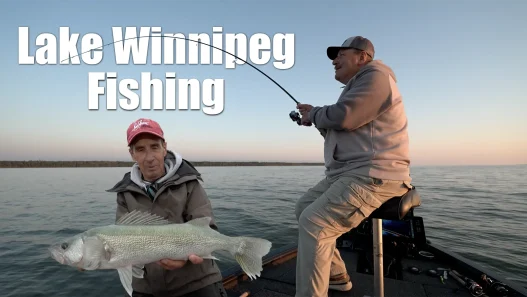
The clarity of the water also dictates your approach. In ultra-clear lakes, species like walleyes may stay deeper and require subtle, finesse tactics to provoke a bite. On the other hand, thick, weedy jungles demand brute strength and aggressive presentations, especially when targeting largemouth bass nestled deep in the slop.
Giant Bass in the Slop: The Ultimate Test of Tackle and Tenacity
Today’s fishing adventure takes us deep into this tangled habitat—the slop. Dense mats of lily pads, wild rice, cattails, and other aquatic vegetation form a fortress that only the boldest anglers dare to penetrate. But hidden within are some of the biggest bass you’ll find. To coax these giants out, you need heavy-duty gear and a combat-fishing mindset.
There are two main slop tactics: punching through the vegetation with heavy bullet sinkers or skimming the surface with topwater frogs. Both techniques can produce heart-pounding, explosive strikes.
Fishing in this terrain isn’t for the faint of heart—but for those who embrace the challenge, the rewards are immense. As one angler put it, “That’s like one of them Florida bass, the way she hit that thing!”
Scorching Summer Conditions and Shallow Water Bass Patterns
On this outing, it’s the middle of summer. Air temperatures are pushing 92°F, and small natural lakes are warming into the low 80s—hot by northern standards. Under these conditions, bass spread out into multiple areas: deep rock points, weed lines, shallow flats, and especially dense shallow vegetation.
Lakes rich in shallow, soft cover—often eutrophic with high nutrient loads—are particularly productive for slop fishing. These waters typically include cattails, burrushes, lily pads, and various surface-choking weeds. And in these zones, frogs reign supreme. “Break out the frogs, baby,” the hosts exclaim. “Frogging, and that’s fun, man.”
The Right Rig for the Right Job
Accessing small, weed-choked lakes requires the right kind of boat and equipment. A lightweight, fuel-efficient rig like the 1775 ProGuide, outfitted with a 90 HP Mercury 4-Stroke, allows anglers to easily reach and explore untapped fisheries. Trailered on a roller trailer, this setup ensures access to even the most remote or unimproved boat launches.
The ideal setup balances maneuverability with power, making it perfect for anglers who love exploring small water systems with big bass potential.
Action in the Jungle: Twofer Hookups and Slop Success
Fishing heavy weed cover provides a unique thrill. Strikes often happen explosively at the surface, and the battle that follows through the vegetation is as intense as it gets. The thrill is doubled when you get a “twofer”—a surface strike followed by a follow-up hit on a jig.
These North Country lakes are split into two main types: deep, clear waters, and shallower, weed-filled eutrophic waters. The latter are breeding grounds for big bass in the slop. Often located in prairie regions or fed by flowing systems, these lakes have the murky water and vegetation necessary for frogs to shine.
When the Conditions Are Right, Frogs Bring the Fight
Slop lakes are often overlooked or unmapped, which gives adventurous anglers an edge. While companies like LakeMaster map many lakes, some are too small or remote to be covered. Enter Humminbird AutoChart Live—a game-changing technology allowing anglers to create custom high-definition maps of any water body in real time. With eight hours of built-in recording and the option to expand storage with a Zero Lines SD card, this tool helps uncover hidden gems that hold the biggest fish.
AutoChart Live overlays custom maps onto existing data and integrates with iPilot functionality, creating a dynamic fishing system. Whether targeting deep rock bass schools or slop-dwelling bruisers, this technology gives anglers the edge in any condition.
Slop vs. Rock: Seasonal Patterns and Topwater Timing
In mid-summer, bass often split into two primary groups: those haunting the deep rocks and those living in shallow, weedy slop. Weather plays a huge role in determining which group is most active. For instance, during stretches of hot, humid weather, topwater fishing—especially with frogs—can be incredibly productive. High humidity and muggy conditions are prime time for topwater strikes across all species, including largemouths, smallmouths, and even muskies.
Frog fishing can be effective from spring through fall, with peak activity often occurring post-spawn and during the dog days of summer. As long as you pay attention to weather conditions, particularly humidity levels, you can plan your trips around this exhilarating technique.
Tools of the Trade: Mercury Power and Proven Gear
High-performance equipment matters when tackling heavy slop. Mercury outboard motors deliver the dependability and thrust needed to maneuver in and out of thick vegetation. Paired with rugged tackle and frog-specific gear, they provide anglers with the firepower necessary to land trophy bass in brutal terrain.
As the action intensifies, big bass explode through the mats. “Look at the bucket on that one,” exclaims one of the anglers, showcasing the kind of quality fish these lakes consistently produce. If you’re after true giants, this is the kind of place—and the kind of gear—you’ll need to bring.
Choosing the Right Frog and Gear for Heavy Cover
Frogging in dense, shallow cover is one of the most thrilling and effective methods for targeting big bass. Color selection, while not the most critical aspect, can still make a difference in certain conditions. For most anglers, sticking with a simple color palette—black, white, and a natural tone—is enough. Black offers strong contrast under bright skies, making it easier for fish to locate. White provides visibility in murky or stained water, and natural hues offer realism in open or sparse cover when fish are more likely to inspect the bait closely.
However, as emphasized in the field, it’s not so much about the frog’s color but rather about getting the bait to the fish and working it efficiently through the slop without constant hang-ups. Effective casting, cover penetration, and bait presentation are far more important than matching the exact look of a real frog.
Tackle Matters: Go Heavy or Go Home
To consistently land big bass in jungle-thick vegetation, your gear must be purpose-built for the task. Lightweight setups are quickly overmatched. This is combat fishing—every cast could hook into a brute that will immediately try to bury itself in the cover.
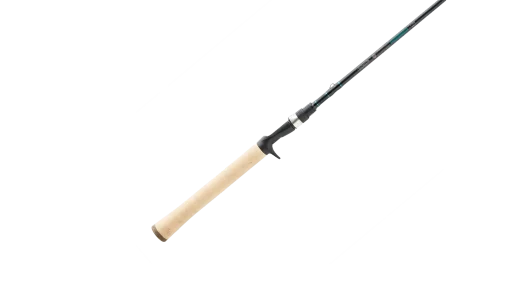
A strong, heavy-power rod like the St. Croix Legend Tournament Series 7’4″ is ideal. Pair that with 65-pound braid (such as Sufix) and a high-speed reel like the Quantum Smoke 150 with a 7.3:1 gear ratio. This setup delivers the brute force and quick retrieval needed to muscle fish out before they dig in and disappear.
Most importantly, there can be no give in your system. Lock down your drag completely. If there’s any slip, that bass is gone. Anglers even brace their rod butts and use their full bodies to haul fish out—especially with heavy vegetation or deep-set hooks.
Frog Performance: Terminator Walking Frog Field Report
The team has been testing the new Terminator Walking Frog, and the results are promising. Designed with a specialized weight in the tail, this frog casts like a missile and holds up extremely well, even after dozens of casts. Unlike many other hollow-bodied frogs, this model resists waterlogging, meaning less time squeezing water out and more time fishing.
Its easy-walking action, soft collapsible body, and high hookup ratio make it a standout in dense cover. Whether on lily pads, rice mats, or eelgrass flats, the frog excels in maneuverability and drawing strikes from both largemouth and smallmouth bass.
Backup Plans and Follow-Up Baits
Even when a frog misses its mark or a bass misses the frog, there’s still a chance to capitalize—if you’re prepared. That’s where a follow-up bait like a punch rig comes in. If a fish boils but misses, drop a punch bait immediately into the zone. Oftentimes, the fish is still there, looking, and will inhale the bait without hesitation.
This quick one-two punch has proven incredibly effective, especially in thick cover where visibility is limited and bass often key in on the sound and vibration of a disturbance.
Electronics and Trolling Motors: Enhancing Your Slop Game
In the battle for bass, precision tools give you the edge. The Minn Kota Altera, equipped with iPilot Link, is a versatile weapon for both open water and slop. Spot Lock anchors you electronically, while the ability to raise or stow the motor with the press of a button makes navigating weedy areas hassle-free.
In combination with Humminbird’s LakeMaster mapping and AutoChart Live, anglers can follow contours, revisit productive waypoints, and maintain boat positioning—all of which are invaluable when dissecting thick vegetation or locating offshore structure where other bass might be holding.
Big Bass and Big Rewards
Time and again, the action proves why frogging in the slop is a favorite. Explosive hits, top-tier fish, and heart-pounding battles are all part of the experience. And when that donkey-sized largemouth finally comes to hand—like the giant showcased in this session—it reaffirms everything about this challenging and rewarding style of fishing.
“There she is—that’s the one we were looking for,” they exclaimed, holding up a northern behemoth that would make anglers in any part of the country jealous. These are the bass that live in the nastiest, most impenetrable parts of the lake—and they are absolutely worth the effort.
Safe Seasons and Grateful Hearts
Before wrapping up this session, the Edge crew leaves us with a heartfelt reminder: have a good, safe fishing season and respect every moment on the water. Whether you are pitching frogs into jungles of lily pads or scanning deep structure with electronics, safety—life jackets, knowledge of local regulations, and common-sense boating practices—always comes first.
They also extend an open invitation to continue learning. If the tactics, technology, and inspiration highlighted here resonate with you, there is “a whole lot more” waiting on their online outlets. Dive in, absorb new ideas, and keep sharpening your game.
Good Days vs. Great Days
“In fishing, there are good days and there are great days. Time is just a wink from the Almighty. We plan, target, rig, and play the game like everyone else.”
These closing words capture the essence of why we fish. Every outing is a roll of the dice, and preparation does not guarantee a trophy. Yet with the right attitude, thoughtful gear choices, and an openness to adjust on the fly, ordinary days can transform into extraordinary adventures.
Whether that transformation happens when a five-pound bass detonates on a frog or when a setback paves the way for unexpected success—like the Welch’s grape-juice story—each moment on the water is a gift, brief and brilliant.
Frogging the slop demands stout tackle, technical precision, and a fearless mindset. But the payoff—adrenaline-charged blow-ups and heavyweight bass—is second to none. Pair that excitement with cutting-edge mapping tools, dialed-in trolling motors, and you have a recipe for truly great days on the water.
So rig up the heavy braid, lock down that drag, and head for the thickest cover you can find. Stay safe, stay grateful, and may your next cast be the one that brings a jungle giant crashing through the lilies.

