









If you chase bass, finnese fishing smallmouth will put more fish in your boat. You probably spend countless casts burning spinnerbaits or grinding crankbaits through shallow cover—classic power tactics designed to crash past snags and find the most aggressive fish fast. But on ultra-clear, lightly covered lakes that see heavy fishing and boating traffic, those high-octane presentations often fall flat. Here, subtlety beats speed every time, and refined finesse techniques step into the spotlight to coax tight-lipped bass.
A Snowbird’s Dream Destination
My longtime friend Ted Stoner of Winnipeg and I both endure long northern winters (he in Manitoba, me in northern Minnesota). Each January we start day-dreaming of warm, wind-free days and chunky brown bass. After plenty of research we discovered the one continental hotspot that reliably delivers exactly that in December, January, February, and March—the lower Colorado River chain, specifically Lakes Mojave and Havasu.
- Lake Mojave: 28,000 surface acres
- Lake Havasu: 25,000 surface acres
Both reservoirs harbor outstanding populations of smallmouth (and a healthy complement of largemouth). Thanks to a large-scale habitat-restoration program on Havasu—artificial structures later carpeted in quagga mussels—the fishery exploded while the water turned gin-clear (visibility exceeds 40 ft on Mojave). That crystal clarity, however, also makes the bass spooky and line-shy, demanding finesse gear and presentations.
Big Bass in Bikini Weather
Picture it: mid-February, 85 °F, water flat as glass, and 3- to 6-pound smallmouth flashing beneath the boat. That vision first grabbed me years ago when my son Troy won a winter FLW event here with an all-smallmouth bag featuring a five-pound giant. Ever since, Ted and I have been hooked—literally. Largemouth still make cameo appearances (Havasu runs roughly 50/50 between the species), but it’s the heavyweight brown bass that keep us coming back.
Seasonal Smallmouth Travel Routes
These steep desert impoundments are dominated by sheer canyon walls, so even modestly sloped structure becomes a magnet:
- Winter (20–40 ft): Fish stack at the bases of main-lake points near cove mouths.
- Warm-up / Pre-Spawn: Bass slide part-way into coves and congregate on the rare flats or sandy/gravel benches with scattered boulders or wood. For smallmouth, “think the opposite of steep”—gentle sand-and-rock transitions hold the mother lode.
The Finesse Arsenal
In water this clear you simply must downsize everything:
| Component | What We Use | Why It Matters |
|---|---|---|
| Rod & Reel | Quantum spinning combos | Light tips launch micro-presentations; smooth drags protect light line. |
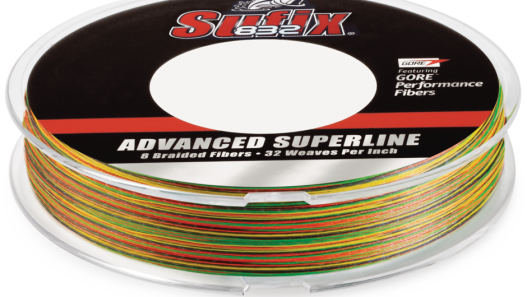
| Main Line | 8 lb Sufix 832 braid | Zero stretch for crisp feel; thin diameter stays invisible. |
| Leader | 4–6 lb Sufix fluorocarbon, 6–7 ft | Stealth and abrasion resistance without dampening lure action. |
| Hooks | VMC fine-wire models (e.g., on marabou hair jigs) | Needle-sharp points penetrate with a lift-set—no “cross-their-eyes” hook-set needed. |
| Drag Setting | Very light—line slips on steady rod pressure | Prevents break-offs when 4-lb fluoro meets a 5-lb bronzeback. |
Tip: Test your drag by pulling line with your hand before every stop; it should peel smoothly under moderate tension.
Power vs. Finesse—A Mindset Shift
Anyone can sling a ½-oz spinnerbait all day. True finesse fishing demands mental discipline: slow retrieves, long pauses, and un-flashy baits that simply exist in a bass’s strike zone. But when that “doop-doop-doop” thump translates into a bronze torpedo peeling line, you’ll know why it’s worth the patience.
The Ultimate Finesse Toolbox: Lures, Technique, and the Slow Game
When it comes to finesse fishing in ultra-clear, pressured waters like Lake Havasu and Lake Mojave, success depends on slowing everything down—your lures, your movements, even your mindset. These lakes reward patience and precision, and the right lure selection makes all the difference.
The Core Finesse Lures
- Hair Jigs
The VMC Marabou Jig remains a staple for finesse anglers. Preferred weights range from 1/16 oz to 1/8 oz, depending on conditions. That fall rate—how quickly your bait drops—can be the critical factor between getting a limit and going home skunked. Daily adjustments to jig weight are common. - Big Bite Minnow
This versatile bait shines in two rigging styles:- Beak Hooked on a VMC Wacky Hook for a minimalist look
- Drop Dead Minnow Hook for a slightly more aggressive presentation
Both setups typically run in the 3/32 oz weight class.
- Big Bite Fat Grub on a VMC Jig Head
A steady, slow retrieve works best—keep it close to the bottom and crawl it through the strike zone. - Big Bite Tube + VMC Finesse Half Moon Jig
Absolutely essential in spring, especially when fish are sliding shallow. - Drop Shot with Big Bite Shaky Squirrel
Rigged with a 1-foot drop and a size 4 VMC SpinShot hook, this is the go-to for ultra-finicky bass.
Remember the three golden rules of finesse: Small, Slow, and Subtle. Keep that mantra top-of-mind when choosing lures, weights, and retrieves.
Dialing In the Full Finesse System
Finesse fishing goes far beyond light line and dainty lures. It includes how you approach your fishing spots. For example:
- Trolling Motor Speed: Slower is better. In many cases, you’re almost stationary.
- Spot-Lock & Talons: Tools like Minn Kota Spot-Lock or Talon shallow-water anchors let you hold position quietly after hooking a fish, so you can work a school without spooking them.
- Boat Movement: Clear water means fish can see—and feel—your boat from a long distance. Once you shut down and lock into position, those same fish often get curious and drift back toward you.
This quiet, deliberate approach is especially critical during spring when bass transition from wintering holes to shallow spawning structure.
The Payoff: Trophy-Class Bass in Shorts Weather
The reward for embracing this methodical, finesse-driven style is a shot at truly giant bass—brown and green alike. In a single outing, we pulled in tournament-grade smallmouths and borderline Great Lakes-class pigs. Havasu’s combination of structure, habitat improvement, and clear water creates a dream scenario for the finesse specialist.
You’ll find fish grouped tightly, jumping wildly, and pounding slow-moving presentations. As we said on the water—three of those and you’re in the money.

