









Unlocking Summer Crappies In Weed-Bed: Side-Imaging Strategies & Swim-Jig Tactics
A Mission for Minnesota Giants
Summer crappies are always an option when a few incidental casts for walleyes produced a 15¼-inch slab crappie—the biggest we’d seen in years—it was clear we had to come back with purpose. The plan: target those schools of heavyweight summertime crappies holding around thick weed beds, then document every nuance of the bite so you can replicate it on your home water.
Using Side Imaging to Pinpoint the School
Modern electronics remove the guesswork. With the boat idling along the weed line, side-imaging sonar instantly distinguishes pods of fish from scattered bait:
- Crappies often appear as tight, mound-shaped clusters two to eight feet off the weeds.
- Scan 40 % of the lake that routinely produces fish and ignore the barren stretches.
- Once a cluster pops up—like the eight-fish “mountain” that caught our eye—mark it and prepare to cast.
The Perfect Weed-Bed Jig Setup
We relied on a ¹⁄₁₆-oz VMC Neon Moon Eye jig matched with a Big Bite Kamikaze Swimmer. That weight is the summer sweet-spot: heavy enough to cast into a breeze yet light enough to swim above the vegetation.
- Rigging tips: Thread the plastic vertically for a faster fall; rig it horizontally if you want a slower glide with extra tail kick.
- In slightly stained water, those twin kickers add just the right thump to draw fish out of cover.
Swimming the Jig, Not Dragging the Weeds
Crappies feed upward—keep the bait above them. Here’s the cadence:
- Cast down-wind so the line stays semi-slack and the jig pendulums back.
- Count it down: first, drop the jig beside the boat and time how long it sinks per foot. Ours fell a foot per second.
- On a 6- to 8-foot flat, count to two, then begin a slow swim, rod tip at 45 °.
- The moment you tick weeds, twitch up and resume the glide. If you’re constantly plucking salad, you’re too low.
When the presentation clicks, it’s rapid-fire action—double-headers are common as the school fires up.
Reading the Bites & Avoiding Common Mistakes
Most hits register as a faint “tick.” Anglers new to this approach often fish too deep, dredging leaves or catching bottom dwellers like rock bass. If that happens:
- Shorten the countdown.
- Lift the rod more aggressively during the retrieve.
Remember, active crappies hold mid-column; contact with vegetation should be the exception, not the rule.
Tackle That Handles Oversize Slabs
These fish aren’t paper-thin—they’ve got shoulders. Standard ultralight gear can feel under-gunned. We prefer:
- 7-foot light-power, extra-fast St. Croix “Panfish Series” rods for crisp hook-sets and control.
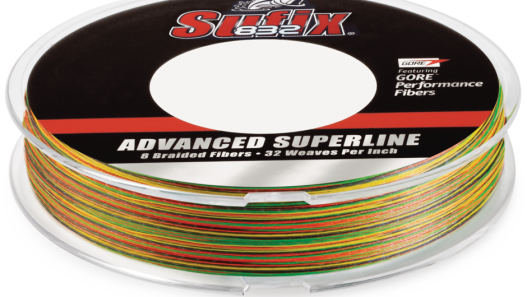
- Quality 1000-size spinning reels spooled with low-stretch braid and a light fluoro leader for sensitivity.
Durable plastics mean one lure often lasts a dozen fish or more, letting you stay in the strike zone instead of re-baiting.
Gear Spotlight: Why Sensitivity Rules
Most summertime strikes register as nothing more than a soft line-jump, so your rod must transmit the faintest tick. We lean on the new-generation St. Croix Panfish Series 7′ 3″ medium-light, extra-fast because every design tweak serves that goal:
- Re-engineered carbon blend—lighter yet crisper than the previous model, allowing instant hook-sets on slack line.
- High-stand micro guides—the guide feet sit farther off the blank so wet nano-braid never drags against carbon, adding 10–15 ft of casting distance with tiny ¹⁄₁₆-oz jigs.
- Extra-fast tip—loads just enough to cast light plastics yet shuts off quickly for a solid sweep into the fish.
Match the rod with a Daiwa Revros LT 1000. Don’t let its price fool you: the buttery ATD drag, machined-aluminum handle and fold-in knob make it a crossover star for open-water crappies and winter walleye jigging alike. Spool up with 6 lb nano-braid and a 6 lb fluoro leader for the perfect balance of strength and stealth.
Reading the Drop-Off: Where Summertime Crappies Live
Across our northern natural lakes, the entire warm-water program revolves around the first weed-edge drop. Depending on fertility that break might lie in:
| Lake Type | Typical Weed-Edge Depth |
|---|---|
| Clear, infertile | 10–15 ft |
| Moderately stained | 8–10 ft |
| Dark, nutrient-rich | 5–7 ft |
Within that zone, look for sparse patches—stalks spaced just far enough apart that fish can roam and you can swim a jig without fouling every cast. Side imaging reveals high pods of bait with four- or five-fish wolf packs hovering beneath; drop a waypoint, hit Spot-Lock, and mine the school until the action fades.
Pro tip: A light ripple is your ally. Today’s two-foot chop is perfect—enough to diffuse light and push your jig downwind, but not so strong you lose contact.
Leave the Live Bait at Home—Seriously
Anglers who grew up dangling minnows under bobbers often assume crappies are timid nibblers. The last decade—and especially the 8 million new anglers who joined during COVID—has blown that myth apart. Modern crappie tactics center on aggression:
- Plastics are the most finesse you’ll need; one Kamikaze Swimmer can boat 15–20 fish.
- They’ll crush lipless cranks, jerkbaits, even topwaters in summer’s warm water.
- Don’t fear size: up north we routinely score on #8 X-Raps and 4-inch paddletails once considered “southern only” options.
The key is proper, light gear—not the bass sticks many newcomers default to. A balanced panfish rod keeps fatigue low and hookup percentages high.
Harvest Smart: Protect Your Gold-Standard Slabs
Northern crappies grow slowly; that 13- to 15-inch bruiser you just landed could be 8–10 years old. Our rule of thumb:
- Keep: 9–10 inchers for the fryer—sweet, flaky and quickly replaced by next year’s class.
- Release: Anything 12 inches and up. Those fish are the brood stock that maintain quality year after year.
Treat them like the resource they are, and you’ll enjoy consistent trophy opportunities instead of boom-and-bust cycles.
Upsize, Experiment, Gain Confidence
Confidence is currency in fishing. The only way to earn it is by trying something new until it gets crushed:
- Grab a handful of 3–4 inch swimbaits or small jerkbaits.
- Fish them exactly as you would your ¹⁄₁₆-oz jig—above the weeds, never through.
- The first time a crappie nearly rips the rod from your hand, mental barriers disappear.
From there the process snowballs: more lure sizes, more colors, more presentations, and—most importantly—more big crappies on the bump board.
Fine-Tuning Line Management in Wind
Even with the right rod, reel, and weightless braid, wind can unravel a crappie program if you let it. Two adjustments keep the presentation locked in:
- Wind-at-your-back casting – lets the jig pendulum naturally, keeps the line semi-slack, and preserves contact.
- Spot-Lock on the pod – once side-imaging shows a bait ball with four-or-five slabs lurking beneath, tap the Minn Kota pedal and hover. Now every cast covers the strike zone until the school finally spooks.
A breezy ripple is an ally; just avoid white-caps that bury fish too deep or make bite detection impossible.
Retrieve Speed: The “Two-Second Rule”
Recall the foot-per-second fall rate we timed boat-side. In most 6- to 8-foot weed lines, counting “one-one-thousand, two-one-thousand” is dead-on before you begin the slow swim. If weeds tick the line too often, shorten the count; if bites dry up, lengthen it by half a second to probe lower. Tiny tweaks keep you dialed as light, wind, and fish mood shift through the day.
Responsible Harvest & Trophy Protection
North-country slabs need a decade to hit 14 inches. Keep that resource thriving:
- Table fare – box the abundant 9- to 10-inchers.
- Brood stock – release anything 12 inches and up.
Handle large crappies with wet hands, support the belly, and never dangle them from the jaw—exactly how you’d treat a prized bass.

