





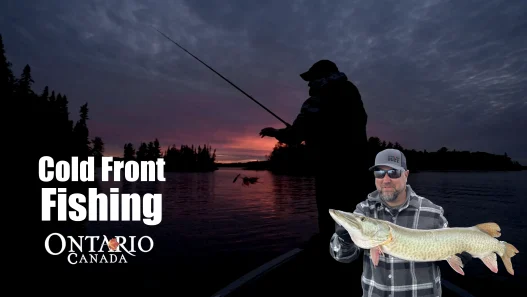




Jeremy Smith and Dan Lindner demonstrate how finding and catching magnum-sized summertime crappies can be easier than you think.
Midsummer Crappie Mastery: Finding and Catching Slabs When the Water’s Warm
Ask any seasoned angler, “When’s a good time to fish for crappies?” and the honest answer is anytime, anywhere. From icy January mornings to blustery October afternoons, crappies remain willing customers. Yet today’s tighter bag limits and smarter management mean there are more—and bigger—fish than ever in the nation’s lakes, rivers, and reservoirs.
On a recent outing to a natural Midwestern lake, Jeremy Smith and Dan Lindner set out to prove that the midsummer lull most anglers fear is, in fact, prime time for heavyweight “papermouths.” Armed with modern electronics, an overcast sky, and a game plan built on proven patterns, they demonstrated just how approachable mid-season slab hunting can be.
Where Are Midsummer Crappies?
By late July, nothing is “transitional” anymore—crappies have settled into predictable real estate. Two key zones stand out:
- Deep Weed Edges – Classic green lines that still hold shade and oxygen.
- Bottom-Composition Breaks – Sharp changes from sticky mud to hard sand can be every bit as attractive as vegetation.
Jeremy’s research on the state DNR website revealed this lake was loaded with bruisers, so the duo spent their first hour idling, not casting, mapping weed lines, humps, and basin edges before wetting a line. When side-scan lit up with big arcs, they dropped waypoints and the fun began.
Electronics: The Game-Changer
Today’s fish-finding tech turns “search and destroy” into “search and enjoy.” On side-scan, crappies appear as bright flecks stacked tightly to the white line that marks a composition shift. Hover the cursor over a pod and you’ll quickly learn how tight they hold—often within a boat-length.
Tip: Treat that mud-to-sand seam like a weed line. Nose the boat just off the lip and cast or drop baits so they swing right along the edge.
Presentation: Hard Baits Rule
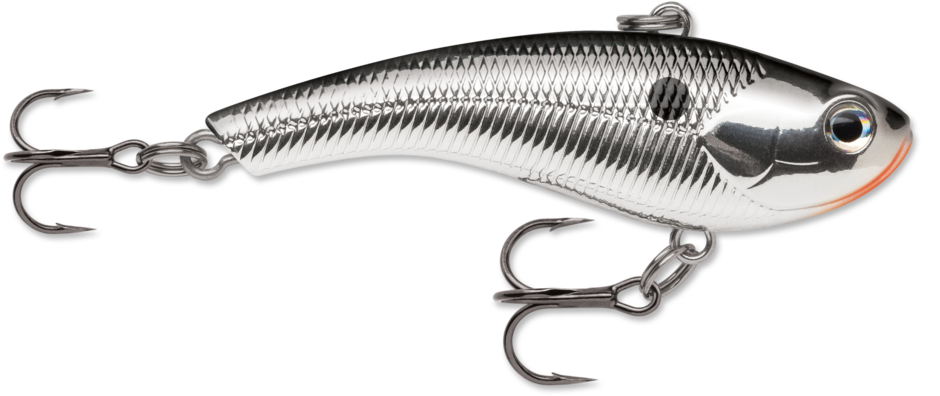
Forget the minnow bucket. The star of the show was the Rapala Slab Rap—a compact lipless design that fishes horizontally on the retrieve and vertically on the drop:
- Cast-and-Count: Bomb it long, count it down to suspended fish, and slow-wind back.
- Drop-Shotting on Steroids: See a mark under the boat? Free-fall the lure, pop it twice, and hang on.
Twin #10 hooks look dainty, but they pinned fish after fish—so many that Jeremy eventually stashed two jumbos in the livewell just to capture a photo of a double-handed handful of slabs.
Fast, Aggressive Fish—Fast, Aggressive Tactics
Late-summer crappies aren’t shy. Ten-inch baits meant for bass will often draw a swipe. Jeremy noted that most strikes came after a 10-count sink—proof the fish were willing to rise. A seven-foot rod, a quick length check of line, and a vertical drop kept his lure right in the cone of the transducer, making every tick visible on screen.
“You don’t need a slip-bobber and a minnow,” Jeremy said. “Cast, wind, keep moving.”
Meanwhile Dan, positioned at the stern, mirrored the pattern. The difference between bow and stern was often the difference between blank screen and loaded screen—another reminder to stay tight to that edge.
Power Fishing for Panfish: Slab Raps, Rip-N-Raps, and Dirty-Water Choices
When visibility shrinks, rattle-style hard baits shine. Jeremy and Dan leaned on two standouts: the Rapala Slab Rap and Rippin’ Rap. Both throw plenty of flash and vibration—exactly what you need when algae stain or wind muddies the water. Alternate casts with underspin jigs or small paddletails if you want to mix it up, but for pure efficiency in dirty water the tight, ringing wobble of these lipless lures is tough to beat.
Quick tip: Fish too slow and you’ll miss the roaming schools. Keep the trolling motor creeping and make long fan casts; if you don’t bump a fish in two minutes, slide 30 feet and repeat.
Why Balanced Ultralight Gear Matters
Landing 14- and 15-inch crappies on miniature treble hooks demands finesse. Both anglers ran St. Croix’s 7-foot Legend Elite Panfish (light power, extra-fast action). Built on SC5 graphite, it’s feather-weight yet razor-sensitive—perfect for detecting those slack-line “sucks” that never twitch the bobber.
On the business end sat a Daiwa Procyon LT 1000 spinning reel. Its butter-smooth drag cushions sudden surges and, just as important, the spool design sheds minimal loops—no mid-cast snarls when the bite is on fire.
Nano Braid: The Line That Makes It All Work
Both rods used Sufix 6 lb)straight to the lure for jig work or to a short 6-lb fluorocarbon leader when treble hooks were involved. The braid’s micron-thin diameter lets you:
- Launch 1/32-oz jigs “a mile.”
- Horse baits out of bullrush snags without break-offs.
- Feel every blade of grass or curious peck at 30 yards.
Spool it once and—short of a prop cut—it’ll fish for seasons.
Dialing In the Countdown
Suspended crappies are seldom deep; fish too low and you’re out of the strike zone. Jeremy’s method is foolproof:
- Tank-side Test: Drop the lure beside the boat, timing how long it falls one foot.
- Cast & Count: After the splash, count seconds based on that sink rate.
- Rip–Pause Cadence: Two sharp lifts, a pause on semi-slack line, then repeat. Most hits come as the bait helicopters down.
If you’re not sure, err high—crappies will rise several feet to inhale a meal.
Make It More Than Fishing: The “Tail-End” Perspective
Near the day’s end, Jeremy read an email that hit home: by high-school graduation, kids have used 90 % of their in-person time with parents. The message wasn’t a downer—it was a call to savor every shared sunrise and boat ride. Trapping a loved one in a skiff from dawn to dusk is the perfect recipe for unhurried conversation and lifelong memories.
Whether you’re honoring a father, mother, son, or daughter (remember that Fifth Commandment!), a weekend chasing slabs can become the story you tell for years.
Final Thoughts: Chase Your Summer Slabs
- Midsummer crappies aren’t a mystery—focus on deep weed edges and especially mud-to-sand seams.
- Use modern side-scan to spot pods before you ever cast.
- Swap minnows for power-fishing hard baits and cover water.
- Invest in a sensitive rod, a smooth 1000-size reel, and Nano-thin braid to feel every tick.
- Most of all, bring someone who matters. Time on the water is finite; make every splash count.
The next calm, cloudy day you get, skip the lawn work. Grab that Slab Rap, watch the line jump, and let the laughter—and the silver slabs—pile up. See you on the water!

