









Mille Lacs: A Lake of Controversy and Abundance
Minnesota’s Mille Lacs Lake holds a legendary status among anglers throughout the United States.
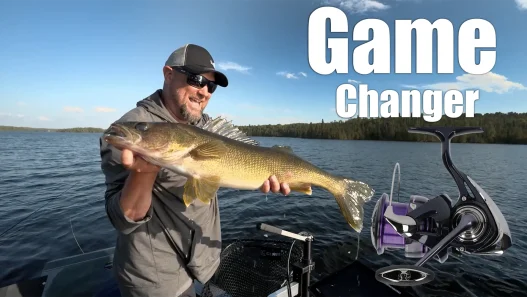
For decades, it was a pilgrimage site for those chasing walleye dreams, delivering experiences nothing short of magical. But in recent years, that legend has taken on a more complex shape—its story evolving from one of triumph to one mired in mystery and debate.
Walleye populations have become a flashpoint, with passionate voices on both sides. Some insist the numbers are declining to dangerous levels, while others argue this is the best fishing Mille Lacs has ever seen. Each week seems to bring a new headline—some rooted in biology, others in politics or public opinion.
But there’s a major misconception that clouds the conversation: Mille Lacs is not one uniform body of water where all fish behave the same way. In truth, its diverse habitats operate like multiple distinct lakes within one massive system.
Weed lines, rock reefs, mud flats, deep basins, and shallow shelves—each one plays host to unique fish populations, from walleyes to smallmouth bass to muskies and more.
The Fishery Beneath the Surface: A Multi-Species Haven
The biological complexity of Mille Lacs is part of its brilliance. In deep waters, anglers report high numbers of robust, healthy walleyes feeding on tulibee, the lake’s protein-rich forage.
Meanwhile, a strong 2013 hatch has injected a new generation of 14 to 18-inch walleyes into the ecosystem—hope for the future.
And while walleye debates rage, Mille Lacs has quietly become a smallmouth bass paradise. During BASS tournaments, elite anglers weighed in five-fish bags averaging nearly 25 pounds—a staggering testament to the lake’s quality.
Muskie fishing is equally impressive, with many experts believing the next world record could emerge from Mille Lacs. Pike often go overlooked but thrive in solid numbers, and panfish remain steady throughout both open and ice seasons.
Despite challenges—natural and man-made—Mille Lacs remains a magical place. As nature rebalances the system, the lake continues to reward those who understand and respect its intricacies.
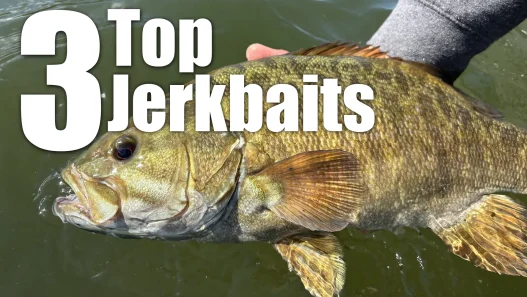
Today, we focus on its booming smallmouth bass population, showcasing effective tactics like tubes, wacky rigs, and drop shots to tempt these goliath brown bass that have the fishing world buzzing.
Big Bites and Big Memories
The action is electric. In one thrilling moment, an angler locks into a smallmouth with raw power—“That one there’s got some oomph to him.” Another bronzeback fights to the end, refusing to give in. It’s a display of the kind of high-octane action that has made Mille Lacs a can’t-miss destination for serious bass hunters.
“I’m lucky to live near one of the best freshwater fisheries in the world,” says a local angler. He should know—he’s been fishing these waters since returning from Vietnam in 1967. After exploring much of the country, he and his brother settled in north-central Minnesota, drawn by the sheer diversity of species and water types. A decision that proved wise in every way.
From History to Habitat: Mille Lacs by the Numbers
Spanning 132,000 acres, Mille Lacs is essentially an 18-by-22-mile oval, vulnerable to the wind and bordered by fertile fish-holding structure. Rocks dominate the shoreline, providing ideal walleye spawning habitat.
On the north side, sand flats and shallow rocks attract both smallmouth bass and pike. In the central region, the famed mud flats—composed of glacial peat rather than actual mud—offer premier live-bait and spinner-rigging opportunities.
The lake’s southwest features sprawling weedy bays where pike, muskies, and walleyes intermingle, while the southern and eastern flanks are rich with rock reefs that shine under wind-driven conditions.
During late summer, open-water trolling becomes the go-to strategy, with anglers pulling crankbaits at 30 feet across miles of water. The lake’s varied forage base—minnows, perch, shiners, and cisco—supports incredible growth for all predatory species.
The Mille Lacs Experience: From Comfort to Competition
Big water demands big comfort. With wind and waves a constant factor, products like Smooth Moves adjustable boat seats are a game-changer. As one angler shared, “I had a ruptured disc from a car accident. These seats saved my back. They’re easy to install and make a massive difference.”
Out on the water, even what would be considered a great fish elsewhere becomes the norm on Mille Lacs. “This is like an average smallmouth,” one angler quips, landing a chunky bronze fish that would top the leaderboard on many other lakes.
Bassmaster recognized Mille Lacs’ prowess, naming it one of the best bass lakes in the country. At a recent championship, five-fish daily limits averaged close to 25 pounds. The top five total weights ranged from 67.3 pounds to a staggering 76.5 pounds over three days—five-pounders, day after day.
Backed by Gear, Fueled by Passion
In the world of professional angling, success demands the perfect mix of science, technology, and sheer fishing passion. Whether it’s auto-deploying trolling motors or premium rod setups, the Mille Lacs experience is about preparation meeting opportunity.
“You need the right tools to teach people how to fish,” says one host. “Because this isn’t just about catching—it’s about sharing the magic.”
Finesse Fishing Tactics: Unlocking Early-Season Success on Mille Lacs
While Mille Lacs Lake offers a buffet of multi-species action, dialing in your approach—especially early in the season—can make all the difference.
For smallmouth bass, finesse tactics often dominate the bite. When targeting these bronzebacks during the spring bite, having a wide selection of rigs at the ready is critical. Here’s a comprehensive breakdown of the tools and techniques proven to produce when the water is cool and the fish are selective.
The Mille Lacs Smallmouth Arsenal
Tubes: A staple for smallmouth, the Big Bite tube is a must-have, and anglers typically rig it two ways:
- External Head: Using a VMC half-moon jig, this rig has a fast, vertical drop with minimal lateral movement—perfect for triggering reaction bites.
- Internal Head: A VMC tube jig gives the bait a slower, gliding descent that can outfish the external rig 5-to-1 in certain conditions. While it requires slower fishing, it’s far more snag-resistant.
Search Bait:
The Storm 360GT is a go-to for covering water and finding fish. Its versatility—effective across depths and speeds—makes it a year-round confidence bait. From smallies to crappies, this lure flat-out catches.
Hair Jigs:
The VMC marabou jig is a finesse classic. While the learning curve is steep, the reward is high. Hair jigs shine when fish follow but won’t commit to flashier presentations—often turning lookers into biters and even double hook-ups.
Wacky Rigs:
A VMC wacky hook paired with a 5-inch Big Bite wacky stick (complete with a built-in O-ring) is another high-efficiency option. Some anglers report catching 15 or more fish on a single bait. It’s a deadly, durable presentation.
Spin Shot and Shaky Squirrel:
This drop-shot combo places the bait at eye level with the fish, tempting even the most hesitant smallmouth to strike. A VMC spin shot and Big Bite shaky squirrel are practically mandatory in any finesse lineup.
Carolina Rig:
For those times when smallmouth prefer a bait just dragging across the bottom, the VMC Carolina rig with a tube or craw works wonders. It offers fast bottom contact and a realistic look—especially when bass want a stationary or slow-crawling bait.
Darter Head & Stick Bait:
A VMC darter head combined with a 4-inch Big Bite trick stick rounds out the package. Whether rigged standard or wacky, this presentation mimics a dying baitfish, and its unique profile triggers strikes when other shapes fail.
These baits aren’t just for spring. Each of them has its time and place throughout the season—though that’s a conversation for another day.
Equipment, Presentation & Positioning
Throughout the day, the anglers are armed with multiple rod and reel setups—five rods rigged per angler, all St. Croix rods paired with Daiwa reels.
The various rod actions match specific presentations for optimized performance. Most of the action leans toward finesse fishing, which means subtle bites and delicate presentations rule.
Positioning is another key element. Using Minn Kota Talons, the anglers anchor in productive zones—clear, rocky troughs just 2.5 to 5 feet deep—allowing them to fan-cast methodically and efficiently. Notably, the
Talon doesn’t just hold the boat; it keeps the bite going. Hooked fish often bring in curious followers, creating chain reactions of action right at the boat.
Technology Meets Apparel
Modern fishing isn’t just about lures and electronics—it’s also about gear that keeps you comfortable and effective. Lightweight, high-SPF Gill clothing helps anglers stay covered without overheating. Paired with sun gloves, a face buff, and a visor, this setup provides all-day protection and performance on hot, muggy days.
Meanwhile, sonar advancements like Humminbird Mega Imaging have revolutionized the ability to locate and target fish with unprecedented detail. Combine that with performance boats from Lund and comfort-enhancing upgrades like Smooth Moves seat suspensions, and you’ve got a setup that’s built for serious anglers chasing serious fish.
Trophy Potential Across the Board
Mille Lacs Lake isn’t just about smallmouth. This fishery is a multi-species marvel where you might hook into a trophy smallmouth bass, a giant walleye, or even a world-class muskie or carp—all in the same day. Few waters in North America offer that level of diversity, size, and accessibility. It’s no wonder Mille Lacs continues to draw hardcore anglers and national tournaments alike.

