


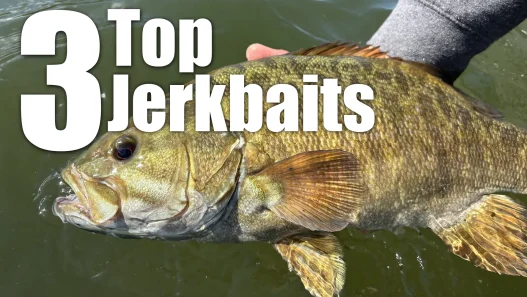








A Finesse Fishing Revolution
Over the past decade, finesse fishing has undergone a major resurgence, driven in part by advancements in gear and techniques suited for pressured or clear water bass. Among these methods—drop shotting, shaky head fishing, and wacky rigs—one has risen to the forefront for its unmatched effectiveness and ease of use: the Ned rig.
Originally developed by Midwestern sportswriter Ned Kehde, the Ned rig consists of a small, buoyant stick worm threaded onto a lightweight jig head. At first glance, it doesn’t look like much—but in the world of bass fishing, looks can be deceiving. This unassuming bait has proven to be a game-changer for catching smallmouth, largemouth, and spotted bass across North America.
Why the Ned Rig Works
The magic of the Ned rig lies in its subtle, finesse presentation. Its lightweight head and buoyant body create a slow-falling, non-intrusive action that sits enticingly on the bottom—exactly where bass like to hunt. Unlike power fishing presentations that move quickly and demand precision, the Ned rig thrives on stillness and simplicity.
You can fish the Ned rig in nearly any environment: rocky bottoms, weedy flats, submerged wood, and transitional structure. It performs in water depths from as shallow as four feet to over 25 feet.
Gear Setup for Ned Rigging
An ideal Ned rig setup includes a 7’3” medium power, extra fast action spinning rod paired with 8–10 lb braided main line and a fluorocarbon leader. Leader length depends on water clarity—shorter (3–4 ft) for darker water, and longer (up to 15 ft) for ultra-clear water such as the Great Lakes.
Casting distance is key, especially in clear water where boat presence can spook fish. Most bites occur in the first quarter of the cast, so frequent recasting is part of the rhythm.
Techniques for Fishing the Ned Rig
1. Dead-Sticking:
Cast out and simply let the rig sit on the bottom. Bass often pick it up without any movement from the angler.
2. Pop and Glide:
Reel in a few feet, pop the bait to lift it off the bottom, and let it fall back down. Repeat. This mimics fleeing or distressed forage.
3. Strolling:
Drag the rig behind a slow-moving boat (0.3–0.4 mph). Ideal for beginners or less mobile anglers, this method is highly effective and low-effort.
No matter the retrieve, avoid fishing it too fast. The Ned rig shines with slower, more methodical presentations.
Jig Head Selection and Applications
Jig head weight plays a crucial role in the Ned rig’s performance. Lighter heads help the bait stay snag-free and allow it to hover above vegetation.
- 1/16 oz: Ideal for 2–7 ft depths, great for fishing across weed tops.
- 1/4 oz: Best for 20–25 ft depths, suited to rock piles and deep edges.
When fishing around weed transitions or soft cover, light heads allow the bait to rest on top of vegetation rather than sinking into it—keeping it in the strike zone longer.
Profiles and Plastics
While the Z-Man TRD (aptly nicknamed the “turd”) remains the iconic bait for Ned rigging, there are countless other soft plastic options that perform equally well:
- Big Bite Stickworms (cut in half)
- Slim finesse worms
- Sculpin or leech-style baits
- Mayfly or crayfish imitators
These baits imitate a wide variety of forage—crayfish, gobies, leeches, or insect larvae—making the Ned rig a versatile solution regardless of what bass are feeding on.
Advanced Head Options: Swinging Jigs
A newer innovation in the finesse category is the swinging Ned head, which allows the bait to pivot independently from the jig. This creates a more dynamic, natural action along the bottom.
One effective combo is pairing the swinging head with the Big Bite Smallie Smasher—a non-buoyant bait whose undulating tail mimics live prey with every subtle movement.
Youth Adoption and Accessibility
Perhaps the greatest testament to the Ned rig’s effectiveness is how quickly it’s been adopted by youth anglers. In areas like the Brainerd Lakes region of Minnesota, high school fishing clubs are using Ned rigs to consistently catch fish—because it’s easy to use and produces results without needing advanced skill.
Even tournament anglers are leaning on this technique due to its ability to deliver reliable bites under a variety of conditions.
Year-Round Success
One of the most powerful aspects of the Ned rig is its year-round versatility. From the moment ice melts in the spring, through the dog days of summer, to deep autumn when bass push into 15–25 ft depths, the Ned rig remains a consistent producer.
Whether fishing the shallow flats of Leech Lake, the rocky points of Mille Lacs, or any lake in between, this rig belongs on your deck.
Final Thoughts
The Ned rig is a rare combination of simplicity and effectiveness. It requires minimal gear, limited technique, and yet it consistently delivers results for anglers of all skill levels. Whether you’re a tournament angler or just out for fun with family and friends, this finesse presentation is an essential part of your bass fishing arsenal.
If you’re not fishing it, you should be.


One of the best lure options ever.