




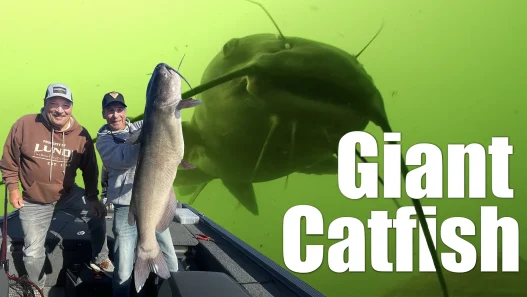






Ripping Rippin’ Raps is a game-changer for many anglers.
Unlocking Walleye Potential: Deep-Water Tactics with Lipless Crankbaits
In the world of walleye fishing, traditional wisdom has often focused on finesse techniques and bait presentations like live bait rigs or jigging. But there’s a new force dominating the scene—reaction baits, especially lipless crankbaits like the Rippin’ Rap and Jigging Rap. If you haven’t tried these aggressive, high-action baits for walleye yet, you’re missing out on one of the most exciting developments in modern fishing.
These baits are not only incredibly effective but also versatile. Anglers are discovering that they trigger feeding responses from walleyes that are hard to match with slower, more methodical techniques. The reaction bite you can generate with a ripping bait is not just powerful—it can turn an average day into an unforgettable one.
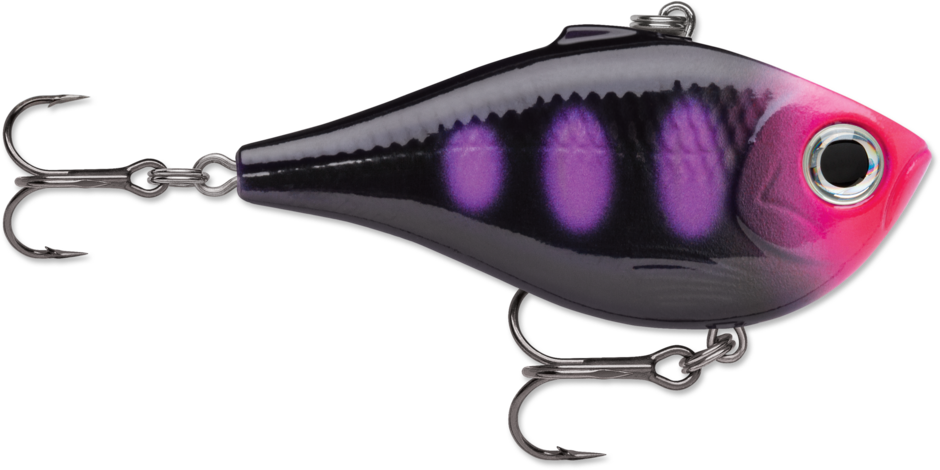
Lipless Crankbaits: A Proven Performer
Whether you’re talking shallow cabbage flats in the summer, rocky river runs, or the icy waters of Lake Winnipeg, lipless crankbaits have carved out their place as a top-tier tool in a walleye angler’s arsenal. Originally more popular with bass and striper fishermen, these baits are now making serious waves in the walleye world.
Years ago, some of the first experiments with lipless crankbaits under the ice on Lake Winnipeg sparked a revolution. Anglers like Alex Kessler proved their effectiveness in shallow, stained water, drawing in giant walleyes with vertical jigging presentations. The logic was sound—these lures could create commotion and flash to call in fish from great distances.
Now, that same principle is being applied in open water, with anglers like Al and his team pushing the boundaries by fishing lipless crankbaits at depths of 16 to over 30 feet, with impressive results.
Going Deep: A New Frontier
The shift to deep-water presentations marks a bold step in the evolution of reaction bait fishing for walleyes. Using electronics to pinpoint depths and structure—like dialing in a depth highlight at 20 feet—anglers are now targeting specific contours and transitions with precision.
The technique itself mirrors how many have fished jigs or rattlebaits for bass: cast it out, let it sink to the bottom, and rip it aggressively to trigger strikes. The key lies in the bait’s speed and vibration. The Rippin’ Rap’s thin profile and dense weight allow it to crash quickly through the water column, making it an ideal tool for reaching fish fast and provoking immediate reactions.
And it’s not just walleyes responding. Drum, also known as freshwater sheephead, are getting in on the action, providing hard-fighting bonus fish that tug like freight trains.
Tuning the Gear for Success
To handle the demands of fishing lipless crankbaits deep, it’s essential to beef up your gear. Heavier rods, stronger lines, and reels with sufficient drag are necessary to manage both the bait’s resistance and the power of the fish. While traditional jigging setups may still have their place, these reaction baits require a more robust system—especially when you’re consistently pulling fish out of 20- to 30-foot depths.
The action of these lures, loaded with rattles and internal BBs, gives them an audible presence underwater that’s perfect for stained or dark conditions. This noise, combined with their erratic movement and fast drop, creates a profile that fish just can’t ignore.
Versatility that Spans the Water Column
One of the biggest advantages of this technique is its adaptability. Whether casting up into 12 feet of water or dragging through the 30-foot depths, these baits cover a wide range of the water column. You can fish them over humps, along breaklines, or even in the same areas you’d troll crankbaits or pull spinner rigs. The possibilities are broad, and the fish are responding.
The bottom line? These baits flat-out catch fish—big ones, small ones, and everything in between. From fingerlings to chunky keepers, the response has been nothing short of extraordinary.
Design That Delivers
One reason the Rippin’ Rap shines in deep-water applications is its shape and build. Unlike wider, slower-falling crankbaits, this model’s slender profile allows it to descend rapidly, making it ideal for precision targeting on structure. Its unique combination of rattle, weight, and profile sets it apart from others in its class and gives it an edge in both effectiveness and ease of use.
Even seasoned anglers are amazed at how deep and fast it can be fished—and how well it performs once it gets there. While bass and striper fishermen have been using these tactics for years, it’s only recently that walleye anglers have begun to embrace them in earnest.
Aggression at Depth: Why Summer Walleyes Love the Rip
Midsummer presents a unique window for catching aggressive walleyes, and nothing taps into that opportunity better than ripping lipless crankbaits. As water temperatures peak, so does the fish’s metabolism—meaning these predators are more active and eager to strike. It’s a seasonal trigger that every savvy angler should take advantage of.
One of the keys to success in this period is understanding that warmer water doesn’t just wake up the fish—it also fuels more explosive fights. Even modest-sized walleyes will fight with the kind of strength that can surprise seasoned anglers. As seen repeatedly, what feels like a trophy may just be a well-conditioned, high-energy summer fish.
The strikes on these lures are decisive. Anglers often find their lipless crankbaits buried deep in a walleye’s mouth—testament to how aggressively these fish commit when the presentation is right. That kind of full-bore bite is exactly what makes reaction baits so rewarding. As you rip the bait off the bottom and feel it flutter back, you stay connected to every movement, creating an engaging experience that few techniques can match.
The rip-jigging technique, using a slim-profile bait with a high-density body, proves critical in this style of fishing. Not all lipless crankbaits are equal in deep-water applications. The thinner, faster-falling designs simply outperform wider-bodied models in this context. Baits like the Rippin’ Rap excel where others flutter or fail.
Sound Matters: Rattle, Knock, and Noise
Sound is a huge factor in dark or stained water, and bait choice can make or break your trip. Some lipless crankbaits are silent, others have multiple BBs for rattling, and some feature a single “knocker” for a deeper, more resonant thump. In deeper and murkier water, louder is often better.
Noise, combined with flash and vibration, makes these baits fish magnets. Even novice anglers can quickly gain confidence with them, making them ideal for guided trips or introducing friends and family to the sport. The baits are relatively easy to cast and retrieve, and their wide zone of influence means they draw in fish from far away.
An Open Call to the Great Lakes Anglers
Here’s an intriguing challenge: despite their effectiveness, there’s little anecdotal or published evidence of anglers using these lipless crankbaits in traditional Great Lakes walleye trolling scenarios—on leadcore, behind boards, or even flatlining. Surely someone has tried it. If you’re one of those anglers or know someone who is, this is a call to share that experience. Could this method unlock another layer of suspended walleye success?
Simplicity Meets Precision
The fishing approach here is refreshingly simple: set your trolling motor on a slow, continuous pace—around 0.8 mph—and rip the bait back to the boat in cadence. Let it fall to the bottom, then snap it upward in a sharp motion. Repeat. The entire setup, supported by electronics like Humminbird’s sonar and mapping features, allows for tight control over depth, speed, and structure targeting.
The technique works—over and over again. Whether casting into shallower water from a boat sitting deep or vice versa, these lures cover an impressive range of structure in a single cast.
Trophy Potential Confirmed
As the segment continued, more big walleyes came to hand, including a true brute that initially felt like a snag. The bait was inhaled deep, the fight was powerful, and the release was rewarding. It was the kind of fish—and moment—that defines a successful outing.
These lipless crankbaits don’t discriminate. Throughout the day, they produced not just walleyes but also drum, crappies, bass (both largemouth and smallmouth), and even perch. The lure’s ability to attract various species proves its versatility and broad appeal. That’s exactly the kind of tool every angler wants in their tackle box.
The Rappin’ Technique
Ripping Rippin’ Raps involves casting and ripping a lipless crankbait back — similar to how you would fish a jig. The key is to rip the bait back aggressively, creating a loud noise and vibration that attracts walleyes. This technique can be used in various situations, even casting over weeds.
Why Rappin’ Works
The Ripping Rap is highly effective because it mimics the natural movements and shapesof prey fish. The aggressive ripping action and the loud noise produced by the lipless crankbait imitate the behavior of injured or fleeing baitfish. This triggers a predatory response in walleyes, causing them to strike the bait out of instinct.
One of the reasons why this technique is so successful is because lipless crankbaits are versatile lures that can attract a wide range of fish species. They are designed to imitate the appearance and movement of baitfish, making them irresistible to predatory fish like walleyes. The thin body and weight of the lipless crankbait allow it to sink quickly, making it ideal for fishing in deep water.
Another advantage of the lipless crankbait is its ability to generate a lot of flash, sound, and vibration. These features make it highly visible and attractive to fish, especially in darker or stained water. The combination of visual and auditory cues makes the lipless crankbait a fish magnet, drawing walleyes from a distance.
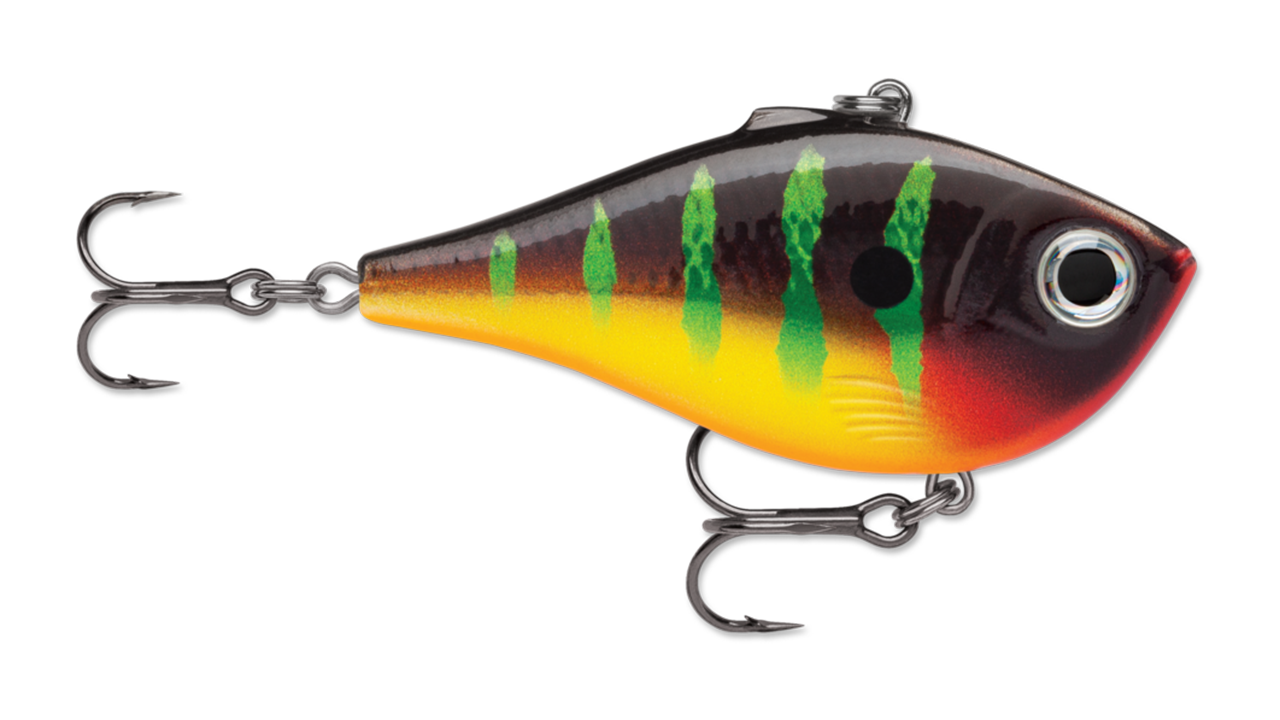
The Best Lipless Crankbaits for Walleyes
When it comes to choosing a lipless crankbait for walleyes, there are a few key factors to consider. The thin body allows for a faster sinking rate, making it easier to fish in deep water.
Additionally, consider the noise and vibration produced by the bait. Some lipless crankbaits have rattles, which can be effective in attracting walleyes. The combination of noise and vibration can be particularly enticing to walleyes, especially in low-visibility conditions.
This technique can be used in a variety of fishing situations. Whether you’re casting and retrieving over weeds or trolling and pulling over deep water, this technique can be highly effective. It’s important to experiment with different retrieves and speeds to find what works best for the walleyes in your area.
Conclusion
The Rippin’ Rap technique is a unique and effective way to catch walleyes using lipless crankbaits. By aggressively ripping the bait back and creating a loud noise and vibration, you can mimic the movements of injured or fleeing baitfish, triggering a predatory response in walleyes. Lipless crankbaits are versatile lures that imitate the appearance and movement of baitfish, making them irresistible to walleyes. Their ability to generate flash, sound, and vibration makes them highly visible and attractive to fish, especially in darker or stained water. When choosing a lipless crankbait for walleyes, look for a thin profile and consider the noise and vibration produced by the bait. The rippin’ rappin’ technique can be used in various fishing situations, and it’s important to experiment with different retrieves and speeds to find what works best for the walleyes in your area.
If you’re a walleye fisherman looking for a new and effective technique, give the rippin’ rappin’ technique a try. It’s a fun and exciting way to catch walleyes, and it can be highly successful. So grab your lipless crankbaits and get out on the water.
Throughout the day, lipless crankbaits like the Rippin’ Rap proved their versatility and power in deep-water applications for walleye. Whether you’re targeting suspended fish, casting to breaks, or ripping through structure, these reaction baits trigger an aggressive response that can outperform live bait on many days.
This technique isn’t just effective—it’s fun. From explosive bites to rod-bending fights, ripping crankbaits brings energy and excitement to your fishing that’s hard to match. The system is straightforward, beginner-friendly, and highly adaptable to various conditions and species.

