








A Legendary Basecamp for an Epic Trip
Over the next few days, we’re setting up shop at Tomahawk Resort, perched on the scenic shores of Lake of the Woods. This place is no ordinary camp—it’s a full-featured facility that caters to every kind of angler and vacationer. From well-kept cabins to a houseboat, RV park, and even a swim beach, it offers comfort alongside world-class fishing.
Having stayed at a number of lodges in the region over the years, I can say with confidence that Tomahawk ranks among the best. But we’re not just here to relax—we’re here to fish. And when it comes to Lake of the Woods, the opportunities are as vast as the water itself.
A Fishery Unlike Any Other
Lake of the Woods is one of the top multi-species fisheries in the world. With an abundance of walleyes, bass, muskies, and lake trout, the diversity is a dream for anglers. For James and me, it’s been a go-to destination for over 20 years. Our plan? Fish for everything—one species per day, soaking in the full Lake of the Woods experience. 
Today’s focus: lake trout—a species known for its power and beauty.
Getting Set Up: Three-Way Rigs and Classic Tools
With our gear rigged and ready, we’re heading out with a variety of tools: three-way rigs, vertical jigging baits, and adjustable trolling speeds to help us find and entice lake trout. One of the key tactics involves using a three-way rig, a system that provides great control and keeps the bait bouncing naturally along the bottom—ideal for these bottom-oriented predators.
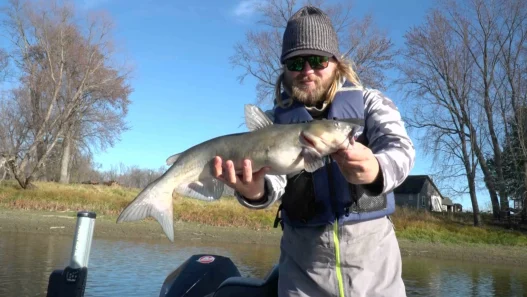
We’re not here to harvest today—it’s all about the sport and the thrill. Each trout is quickly released after the catch to ensure they return safely to the cold depths they call home.
A Family Legacy on the Water
Tomahawk Resort has deep roots. Now run by the third generation, brothers Kevin and Jeff, the resort dates back to 1946 when their grandfather opened a few cabins with a vision of tourism along a rough dirt road. Since then, the resort has evolved into a high-quality destination, all while staying true to the needs of modern anglers.
Their philosophy? Listen to guests, adapt to trends, and deliver value. Coupled with stronger regulations that have improved fish populations, Tomahawk is thriving.
The Hunt for Deepwater Giants
We’re fishing deep basins—areas of the lake like Whitefish Bay, Cul-de-sac, Echo Bay, and Clearwater Bay. These cold, oxygen-rich waters (often ranging from 110 to 150 feet) are where lake trout thrive during midsummer. With sonar and modern electronics, it’s easier than ever to locate them.
Success comes down to strategy. We spend time idling over underwater structures—humps, ledges, and steep drop-offs—marking pods of fish before dropping a line. Wind plays a huge role here; baitfish shift with water movement, and predators follow. By staying mobile and watching the sonar, we pinpoint the trout’s exact location and fish with surgical precision.
Hookups and Hard Pulls
When a lake trout hits, you know it. These fish are tough, deepwater bulldogs, and the fight is nothing short of thrilling. We’re using flutter spoons, often Lure Jensen models, suspended about four to five feet above a five-ounce sinker. The setup keeps the bait fluttering just off the bottom, in the perfect strike zone.
James is carefully adjusting the boat’s speed using a trolling motor set to continuous mode, averaging about 1.1 to 1.3 mph—a critical range for maintaining the right bait presentation. The three-way rig setup allows us to keep a steep line angle, fishing nearly beneath the boat, so we’re not dragging long distances behind us. It’s clean, effective, and deadly on suspended fish.
Electronics, Efficiency, and Execution
We rely on high-visibility 10 lb Sufix 832 braid for a clean connection in deep water, allowing us to track and react fast. The real secret to success today? Efficiency. We don’t just drop lines blindly. We mark fish, adjust for depth and current, then put our baits exactly where they need to be.
Already, just a few hours into the trip, we’ve caught numerous trout—each one a reminder of why Lake of the Woods is so special. The setup is working flawlessly: precise trolling speed, tight boat control, sonar-assisted targeting, and the right rig for the job.
Stay tuned for the next installment of our Lake of the Woods fishing adventure, where we’ll continue to explore more tactics, species, and unforgettable moments on the water.
Mastering the Art of Three-Way Rigging for Lake Trout
One of the biggest advantages of using a three-way rig for lake trout is precision control. When fish are suspended just five or six feet off bottom, the angler can see them on the sonar, reel the bait up to the perfect level, and present the lure directly to the fish. That level of exactness is what makes this system so efficient—especially when navigating steep ledges where depth can shift rapidly from 50 to 80 feet.
Maintaining bottom contact is key. By “feathering” the reel up and down, the angler can subtly adjust the bait’s position without losing sensitivity. It’s that constant micro-adjustment that separates a dialed-in three-way angler from the rest. “Boink, boink, boink”—that’s the sound and feel of the weight bouncing bottom, signaling you’re in the strike zone.
The Right Gear for the Job
To be successful in this specialized style of deepwater trolling, matching your gear to the technique is essential. On this trip, we used St. Croix’s Icon Trolling rods—7’6” medium power with a moderate action. These rods are perfect for absorbing the power of lake trout runs while maintaining hook integrity on barbless lures (a regulation in many Canadian trout fisheries).
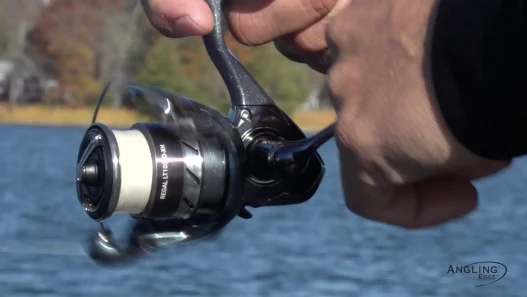
The reels of choice were Daiwa Lexa 300 line counters, a trusted tool in many trolling applications. The line counter allows precise depth targeting, letting us dial in on suspended trout. The line setup included 10 lb Sufix 832 braid for the mainline and 12 lb Sufix Advance fluorocarbon for both the dropper and the bait lines. This pairing offers low stretch, high sensitivity, and a slim diameter that cuts through deep water cleanly.
Interestingly, this setup isn’t just for lake trout. It also works beautifully for walleyes, smallmouth bass, and even pike when using a three-way rig.
Action-Packed Success and Lake-Wide Opportunity
On this trip, the three-way rigging technique proved to be exceptionally effective. While covering points and ledges near Whitefish Bay, we located large schools of trout and brought many to the net—18 fish in just an afternoon, to be exact. The sonar screen lit up like a fish finder commercial: dense clouds of trout suspended on the drop-offs, with each pass offering another strike.
The beauty of Lake of the Woods is that once you’ve scratched the itch for lake trout, you still have so much more to explore. Next on the list? Walleye, smallmouth bass, muskies, and even giant pike—all thriving in this world-class fishery.
From the steep ledges of Lake of the Woods to the quiet comfort of a cabin at Tomahawk Resort, this was a trip to remember. Armed with sonar, refined gear, and a time-tested presentation, we found ourselves in the middle of one of the most productive lake trout days either of us can recall.

