









James Lindner and Jake Wallace implement both fast and slow presentations to catch walleyes throughout the day.
Walleyes Fast and Slow Strategies
Understanding the seasonal movements of walleyes is just as important to walleye fishing as selecting the appropriate methods. We focused on walleyes during this excursion as they moved from their shallow spawning grounds to mid-lake flats.
Jake and I were able to increase our performance and gain more insight into the behavior of these elusive fish by combining slow, accurate presentations with fast-moving baits.
The trip in the above video is the ideal illustration of how a fantastic day on the water can result from fusing technology, strategy, and flexibility.
The Secret to Locating Walleyes: Recognizing Their Motion
It was evident at the beginning of the day that the walleyes were changing. They had been up in the rock piles and shallow bays a few weeks earlier, but now they were moving toward deeper water due to rising water temperatures and increased bug activity.
The presence of baitfish was one of the most significant indicators of their location. Large schools of bait were spotted all over the place by forward-facing sonar, attracting smallmouth bass in addition to walleyes. We could determine the finest fishing locations by figuring out where these baitfish were gathering.
The change from hard bottom to soft mud was the main aspect that we concentrated on. Many lakes have this kind of structure, and walleyes often stage along them before migrating to deeper waters. We were able to track the fish’s movements and determine the precise location of this changeover by using sonar.
Presentation Speed: The One-Two Punch
We employed a mix of rapid and slow fishing methods to cover our bases. We were able to target both aggressive and more docile fish with our “one-two punch” strategy.
Baits for Aggressive Fish That Move Quickly
We concentrated on quick, reactive baits in the bow of the boat.
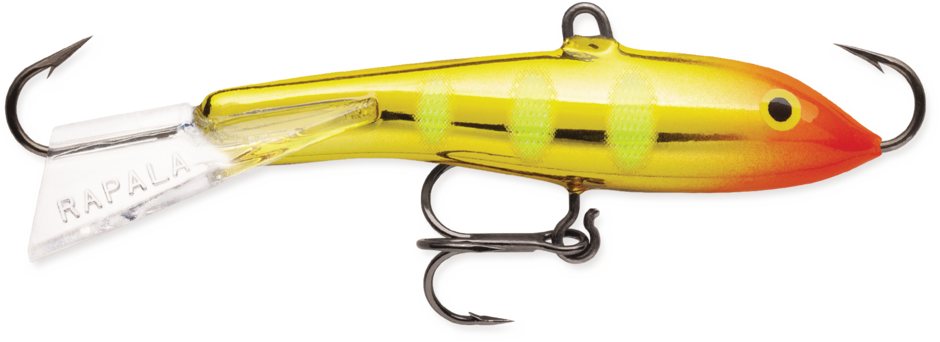
These comprised:
- Rapala Jigging Rap (Size 7):
This heavy, quick-dropping bait is intended to elicit strikes from fish that are actively hunting. - Jigging Shadow Rap: This bait is ideal for luring walleyes into violent bites because it resembles a dead baitfish.
- Heavy Jigs with Plastics: An adaptable choice that might cover a lot of water and be fished rapidly. These baits were designed to cause fish that were actively hunting to react by striking. We might quickly obtain bites from walleyes that were suspended or moving along the transition zone if we fished quickly and aggressively.
Presenting Finicky Fish Slowly
We employed more subdued, slower methods in the rear of the boat:A traditional walleye setup that keeps the bait in the strike zone for extended periods of time is the slip bobber with a leech.
- Jig and Crawler: This slow-moving bait works very well for fish that are unwilling to pursue it.
- Drop Shot Rig: This deft method is ideal for capturing neutral fish because it maintains bait hovering just above the bottom.
These slower methods had the benefit of allowing the bait to stay in front of the fish for a longer period of time, which encouraged bites from fish that weren’t aggressively pursuing prey.
Increasing Fishing Efficiency with Sonar
The usage of forward-facing sonar was one of our trip’s greatest advantages. With the use of this technology, we were able to:
- Track individual fish and ascertain if they were cruising or actively feeding.• Modify presentations according on fish behavior:
We could use baits that remained suspended if fish were seated higher in the water column.Determine the main structural elements. We could see drop-offs, hard-bottom transitions, and baitfish concentrations, which helped us stay in fruitful places.
Throughout the trip, we were consistently on fish by combining our one-two-punch strategy with sonar data.
Optimizing for Achievement: Adjusting to the Bite
The value of flexibility was among the most important lessons learned from this journey. Our success was greatly impacted by little adjustments to bait presentation, retrieval speed, and lure selection.
For instance, we once saw that the fish weren’t responding favorably to our swimbaits. We instantly began receiving more bites after converting from a slow-tail swimbait (Suicide Shad) to a straight-tailed bait that drops more quickly. Switching to chartreuse-colored bait also appeared to increase visibility and attract more strikes.
Changing the depth of our slip bobber was another important change. Setting the lure higher off the bottom (about 4.5 feet) in the clear water made it visible to fish from a distance, which increased the number of bites.
Choosing the Correct Equipment for the Task
When pursuing walleyes, having the appropriate equipment might make all the difference. What we used was as follows:
- Reel and Rod Combos:◦ Quick Tricks: Daiwa Regal LTXH reels combined with avid snap-jigging rods.
Slow Techniques:
For more control and sensitivity, use longer slip float rods.
- Line & Leader: For sensitivity and longevity, the main line is made of 10-pound braid.
Leader: 8-pound fluorocarbon for abrasion resistance and invisibility.
We were able to present baits efficiently and detect even the smallest nibbles by matching the proper rod and reel setup to the technique being employed.
Final Total: An Effective Water Day
Because of our strategic approach, we were able to catch a lot of healthy, chunky walleyes by the end of the trip. We were able to cover all the bases and adjust to the various fish moods during the day by combining slow and quick presentations.
We were able to locate fish more effectively by using sonar equipment, and we were able to reliably receive bites by making minor adjustments to our presentations.
This trip was the ideal illustration of how cutting-edge fishing methods coupled with knowledge of fish behavior can produce exceptional outcomes. Whether you’re using bobbers and live bait to fish more patiently or jigs and raps to fish aggressively, having a plan and being willing to modify it can make all the difference.
Important Things to Remember on Your Next Walleye Trip
Target transition zones: Where fish stage, look for shifts from hard to soft bottoms.
Employ a one-two-punch strategy by combining modest, understated presentations with quick-moving baits.
Use sonar technology to increase efficiency and fish-finding capabilities.
Adjust to the bite: To increase your chances of success, try varying the colors, lure depths, and lure speeds.
You’ll be ready to have a successful day on the lake, just like we did, if you keep these tactics in mind!

