









Weathering the Wind: A Midsummer Jerkbait Playbook for Central-Minnesota Walleyes
Wind Is Your Ally—Not Your Enemy
Wind weather walleyes often equal a succesful day on the water — wind helps. And the combination of high-tech rain gear, cushioned boat seats such as Smooth Moves suspensions, and GPS anchoring tools like Minn Kota Spot Lock has flipped the script. A stiff southwest wind now sets the stage for a classic walleye feed, stirring baitfish into motion and pulling hungry “marble-eyes” onto shallow rock and sand flats. Al and James Lindner purposely head out on one of those blow-in-your-face days to show how wind can compress fish and supercharge the bite.
Primary Pattern: Deep-Running Jerkbaits
Once the Lindners slide off an 11-foot point and connect with the first fish, the pattern becomes clear: long-cast Rapala RipStop Deep jerkbaits in 8–9 feet of water. With braided main line joined to a fluorocarbon leader, the lure dives quickly, then hovers with an enticing shimmy on the pause. Success hinges on dialing in cadence:
- Erratic pops trigger reaction strikes when fish are fired up.
- Long pauses seal the deal when walleyes stalk but hesitate.
Rapala’s minnow-shaped hard-bait lineage backs up the choice—floating Original, Countdown, Husky Jerk, X-Rap, Shadow Rap, and now RipStop—each filling a nuanced niche but all deadly on midsummer walleyes.
Boat Control: Drifting With, Not Against, the Breeze
Instead of fighting rollers with the bow pointed up-wind, the Lindners motor to the up-wind edge of the reef, kill the engine, and let the wind push them across the structure:
- Wind at the back—casts sail well over 100 feet, critical in today’s ultra-clear, zebra-mussel lakes.
- Perfect depth & angle—jerkbait stays in the 9- to 12-foot strike zone for nearly the entire retrieve.
- Maximum coverage—each drift yields one or two bites before the GPS trolling motor bumps them back up for another pass.
Reading the Bite: All Eyes on the Teaser Tail
An intriguing clue emerges: every walleye is pinned on the rear treble, right where the RipStop’s flash-foil teaser flutters. That small accent becomes the focal point for marauding fish prowling windswept flats packed with shiner minnows. The result is textbook hookups—no swallowed trebles, minimal damage, easy release, and a quick reset for the next drift.
Efficiency in Heavy Chop
Windy conditions might send fair-weather anglers back to the dock, but savvy fishers recognize the payoff:
- Concentrated forage = concentrated walleyes.
- Jerkbaits cover water fast yet stay in the strike zone longer than most cranks.
- Cross-species bonus—the same approach routinely produces smallmouth, pike, and even shallow lake trout.
Covering Water, Catching Fish: The Power of Precision and Persistence
The Lindners continue working a massive mid-lake rock flat, loaded with schools of baitfish—and hungry walleyes to match. While some days call for spot-locking on tight breaklines, this type of fishing is about movement and coverage. Dozens, even hundreds, of fish roam these expansive flats, and jerkbait tactics allow anglers to keep pace with that scattered biomass.
By using repeated wind-driven drifts—each pass just slightly offset from the last—Al and James create a pattern that mimics mowing a lawn: wide sweeps that ensure no water goes untouched. The reward? Multiple fish on virtually every drift. A glance at the sonar confirms their success: overlapping tracks, bent rods, and consistent bites.
Spinning Gear: The Preferred Tool for Precision
While some jerkbait purists lean toward baitcasting gear, the Lindners show why spinning setups are so effective for this technique. The key lies in three areas:
- Long Casts: With the wind at their back, spinning reels allow for max distance, critical for staying away from boat-shy fish in today’s clear-water environments.
- Precise Control: A medium-power spinning rod and 2500-size reel like the Daiwa Fuego offer the sensitivity and responsiveness needed for delicate pops and pauses.
- Smooth Drag: When fishing with light fluorocarbon leaders tied to Sufix 832 braid, a fine-tuned drag is essential for fighting big fish without tearing hooks free.
Their typical setup includes 10 lb braid with a 4-foot fluorocarbon leader—a blend of stealth, strength, and casting ease.
Jerkbaits Across Species and Seasons
While walleyes are the star of this windy session, jerkbaits aren’t exclusive to one target. The same presentation connects with bonus smallmouth bass and northern pike. And this isn’t a warm-weather-only tactic either. As the Lindners explain, jerkbaits excel from early spring through late fall, regardless of water temperature. The key is matching your cadence to the mood of the fish and adapting to the environmental conditions you’re given.
In this case, the mirrored flash on the tail of the RipStop proves to be the secret sauce. Nearly every fish is hooked on the rear treble, a clear indication that the trailing shimmer is triggering bites.
From jerkbait mastery to moments of awe, this day on the water offered it all. Windy days aren’t the enemy—they’re an opportunity. With the right gear, mindset, and a willingness to embrace changing conditions, anglers can turn chaos into connection.
Weather walleye success often hinges on quality boat control. The weather has always been a critical factor in fishing success. Realistically most anglers prefer bluebird skies, with little to no wind. But today, with high-tech clothing, comfortable boat seats, and technologies like Minn Kota’s Spot-Lock, fishing windy and inclement weather has gotten much, much more manageable.
That’s excellent news for walleye anglers because wind and walleyes are a recipe for a great bite. If you’ve got the gusto to weather the elements, the wind stirs everything up and gets baitfish moving, and walleyes on the hunt. There’s no better time to get out and chase ol’ marble-eyes.
ABOVE VIDEO: Al and James Lindner do just that, breaking out the walleye gear for a mid-summer run in central Minnesota even though the wind’s up and a lot of anglers would stay home. They find loads of fish willing to bite despite Mother Naturw and success jerkbaitin’ as their primary tactic.
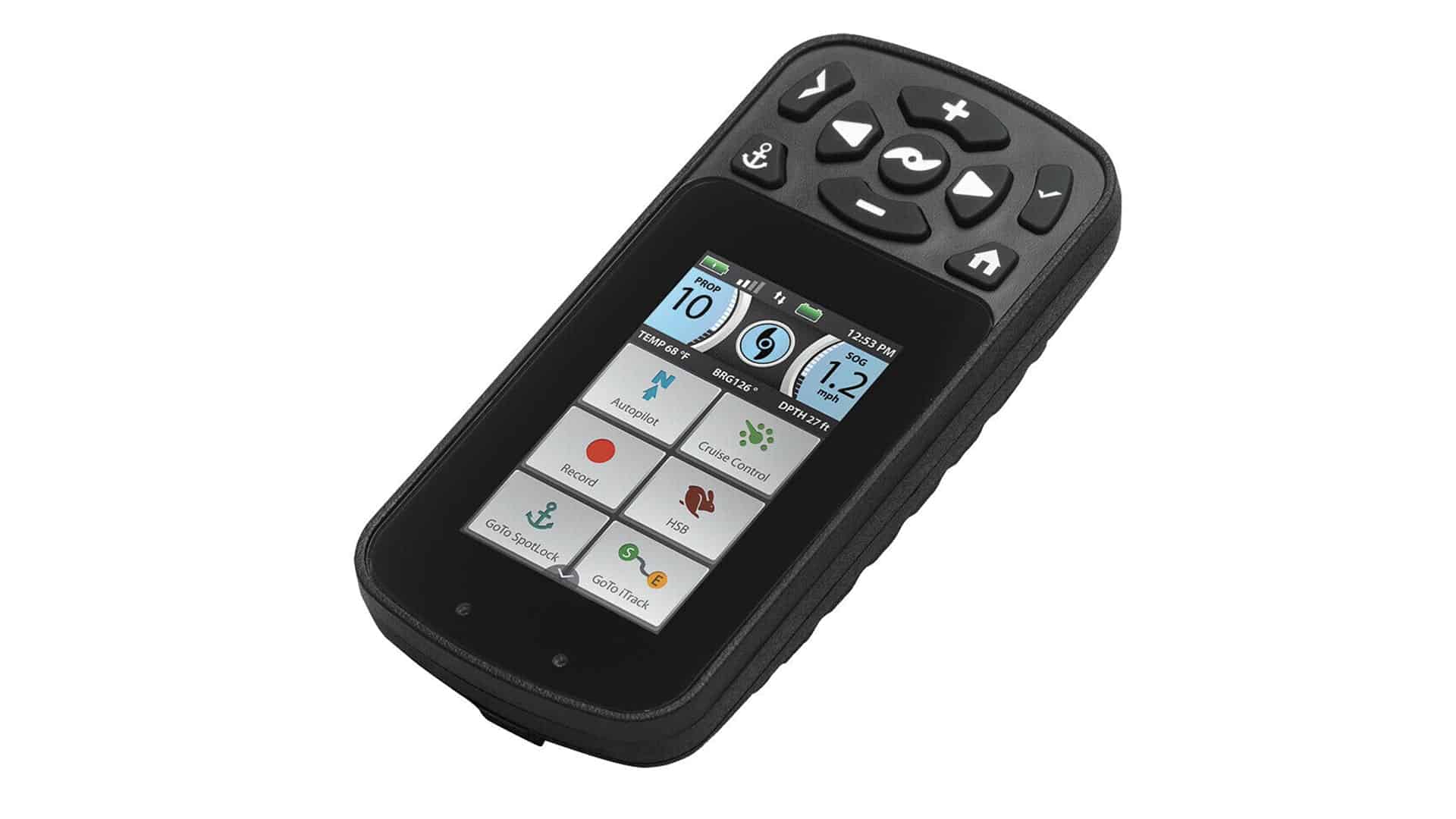
What is the most popular button on i-Pilot and Link? The one with the anchor on it! That’s Spot-Lock, the game-changing GPS anchor. Just push it, and Spot-Lock uses GPS to lock your boat onto your fishing spot more accurately than anything else on the water.

