








Wilderness Walleye: Exploring Lower Twin Lakes in Northwest Ontario
Planning the Ultimate Canadian Fishing Getaway
Planning a Canadian fishing trip an be both exciting and overwhelming. With thousands of lakes and countless lodges scattered across the country, narrowing down the perfect destination requires careful consideration. The key to a successful Canadian fishing trip begins with selecting a target species—whether it’s trophy northern pike, trout, slab crappies, chunky smallmouth bass, elusive muskies, or classic walleyes—and then finding the best waters to pursue them.
For walleye anglers, the decision often comes down to numbers versus trophies. Some lakes provide fast action with fish after fish, ideal for family-friendly outings and shore lunch feasts. Others offer the chance at landing a trophy—fish big enough for bragging rights, photos, and maybe even a wall-mounted graphite replica. But there are rare gems that offer both quantity and quality. Lower Twin Lakes is one of them.
Discovering Lower Twin Lakes: A Walleye Hotspot
Located just east of Lake Nipigon in Northwest Ontario’s Greenstone region, Lower Twin Lakes is a true end-of-the-road destination. Here, 200-fish days aren’t just possible—they’re expected. Add in a healthy shot at landing a trophy-class walleye or toothy pike, and it becomes clear why this spot is a must-visit for serious anglers. 
We stayed at Lower Twin Lakes Lodge near Nakina, a drive-to outfitter in the Canadian wilderness that checks all the boxes: abundant walleyes, big pike, a shot at moose sightings, and a remote, peaceful experience. Despite its seclusion, it’s outfitted with all the gear and comfort you need for a productive and enjoyable stay.
Seasonal Strategy and Trip Preparation
Our late-August adventure aligned perfectly with patterns that push walleyes deep into the main lake basins. This meant we were targeting weed beds and rock piles in 20 to 40 feet of water, ideal for jigging presentations and technology-driven tactics.
Whether it’s your first trip north or your tenth, packing smart makes all the difference. First and foremost, bring a valid passport—it’s essential for crossing the border. Also critical is having the right gear for unpredictable weather. Gill Gear’s three-layer system, including a base layer of i2 long-sleeve shirts and leggings, a mid-layer fleece vest and waterproof trousers, and an outer layer of their Tournament Jacket, kept us comfortable and dry throughout.
Beyond apparel, we always pack a roadside and boat toolkit: jumper cables, tow strap, tire iron, floor jack, first aid kit, flares, sunscreen, and of course, bug spray. A couple of handy extras we recommend include Seafoam motor treatment, Deep Creep lubricant, and Bugs Be Gone cleaner. They’re lifesavers for dealing with mechanical hiccups or messy situations.
Don’t forget a good cooler—Yeti’s rugged, ice-retaining coolers are perfect for storing shore lunch fillets. And bring two nets: a standard one for walleyes and a large, heavy-duty net for handling big pike.
Tapping Into the Bite: Jigging and Sonar Tech
Armed with Jigging Raps, we launched into a morning of fast-paced walleye action. As we explored the lake, it didn’t take long to connect with fish. These jigging presentations often feel like a bull ride—you’ve got eight seconds to hang on or the fish shakes free. But the payoff is worth it.
We relied heavily on technology to dial in our presentation and stay on productive water. Minn Kota’s Spot-Lock, part of their iPilot Link system, allowed us to anchor electronically with pinpoint accuracy, freeing us to focus on jigging rather than boat control. This was crucial for targeting deep, isolated structures.
Meanwhile, Humminbird’s Helix with AutoChart Live helped us create detailed depth maps in real time—especially valuable on remote lakes like this where traditional mapping is sparse or nonexistent. Within a short time, we identified a 20-foot hump surrounded by 40-foot water, loaded with walleyes.
Casting just a few feet away from the boat, we could see fish react to our jigs in real time, thanks to our high-resolution sonar. Seeing a walleye follow and then strike adds an entirely new level of excitement to jigging deep water.
When Pike Crash the Party
As if the steady walleye bite weren’t enough, big pike decided to crash the party. At one point, a giant pike inhaled a bait right near the boat, reminding us that every cast could produce a surprise predator. This unexpected bonus makes the Lower Twin Lakes even more exciting.
Even when fishing for pike with spinnerbaits, we connected with oversized walleyes—a testament to the lake’s density of quality fish. We carry a variety of gear to adapt to these encounters, and spinnerbaits, spoons, and soft plastics all earn a spot in our northern tackle kit.
Tackle Must-Haves: Walleyes and Pike
When packing tackle for a Canadian trip like this, your selection will differ depending on the species you’re targeting. For walleyes, we never leave home without Rapala’s Jigging Rap—a versatile bait that consistently puts fish in the boat. This has become one of our top producers across all Canadian waters.
More must-haves for walleyes and pike, along with their unique applications and tips for maximizing their effectiveness, will be shared in the next section as we continue our adventure on Lower Twin Lakes.
The Ultimate Tackle Guide for Canadian Walleye and Pike
No Canadian fishing adventure is complete without the right gear—and when it comes to chasing walleyes and pike in remote northern lakes, being prepared with a range of lures and rigging systems is the key to consistent success.
During our time on Lower Twin Lakes, the Rapala Jigging Rap stole the show for walleyes. As fast as the lure hit bottom, we were into fish. To maximize this presentation, one insider tip stands out: use monofilament line or fluorocarbon—preferably mono. Braid just doesn’t allow the lure to work properly due to its lack of stretch and different sink characteristics.
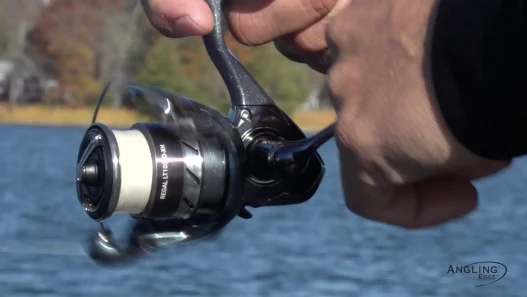
Here’s our refined setup: a Daiwa Fuego spinning reel, small and responsive, spooled with 6 lb Sufix NanoBraid as the backing. Instead of the traditional short leader, we run 50 feet of mono leader, giving the best of both worlds—the finesse control of braid and the functional stretch of mono for the Jigging Rap bite.
Walleye Lures and Rigs
Besides Jigging Raps, our core walleye tackle list includes:
- VMC Moon Eye Jigs (1/8 to 3/8 oz): Reliable and versatile.
- Soft Plastics: Big Bite Jointed Jerk Minnow, Swimming Jerk Minnow, and 3–4 inch grubs.
- Storm 360GT Searchbait: A cast-and-retrieve powerhouse for finding fish fast. With its rattling head and boot tail, it’s incredibly lifelike and effective.
- Rapala Shad Rap (Sizes 7, 8, 9): A classic crankbait that’s hard to beat.
- Rapala X-Rap: An essential jerkbait that’s fishable at all speeds.
- VMC Rigs: Spindrift Live Bait Rig and Spindrift Spinner Rig, paired with lead for depth control.
Targeting Trophy Pike
For “gators,” our setup expands to include:
- Spinners: Blue Fox Super Bou series—both inline and safety-pin styles.
- Hard Baits: The Rapala BX Series, including the BX Swimmer and BX Minnow, made of balsa with a co-polymer shell for toughness.
- Deep Trolling: X-Rap Magnum—great for structure-oriented fish in deeper zones.
- Vertical Jigging: VMC Flat Shad Jig (½ to 1 oz)—drops fast and dances with an erratic action.
- Plastics: Big Bite 5″ Suicide Shad and 6″ Jerk Minnow.
Don’t forget leaders—VMC Titanium 50-lb leaders are kink-proof and incredibly durable. For terminal tackle, pack extra hooks, split rings, swivels, snaps, and plenty of backup line.
Rods, Reels, and Terminal Setup
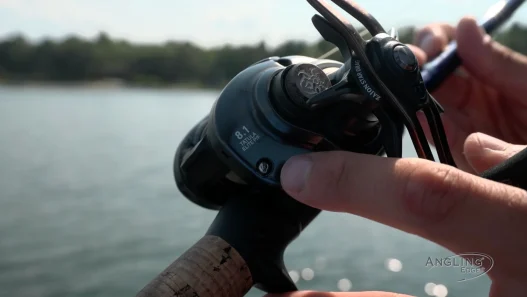
Our go-to rod for pike? A St. Croix Legend Elite 7’11” Heavy Fast or a 7’4” Heavy Fast—rods that can flip, troll, cast spinners, and deep jig with equal ease. Spool them with 50–65 lb Sufix Performance Braid, paired with a Daiwa Lexa 200 or 300 series reel. The 8:1 gear ratio makes fast work of long retrieves, but 7:1 also performs well.
With this versatile setup, you’re equipped for any pike fishing technique the day demands.
Double Headers and Giant Surprises
The action on Lower Twin Lakes didn’t stop. We often doubled up on pike, switching to jerkbaits like the Flat Rap in firetiger for even more explosive strikes. These weren’t just modest fish either—5 to 15-pound pike crashing our baits on flipping sticks brought an adrenaline rush that’s hard to match.
There’s nothing quite like chasing trophy-class pike in shallow weedy bays, then flipping a cast into a weed edge and coming up with a whopper walleye. One moment you’re reeling in a two-pound eater, and the next, you’re face to face with a giant that puts your gear to the test.
One of our standout catches came while trolling spinnerbaits for pike—out of nowhere, a massive walleye inhaled the bait. It was the kind of fish you hope for on every trip: thick, golden, and entirely unexpected.
The Big Picture: Fertile Waters and Lasting Memories
The sheer productivity of these remote lakes is staggering. Deep basins teeming with tullibees and ciscoes provide the foundation for thriving predator populations. Mapping uncharted humps and weed beds with AutoChart Live and anchoring precisely with Spot-Lock made all the difference. Every small decision, every waypoint, paid dividends.

