









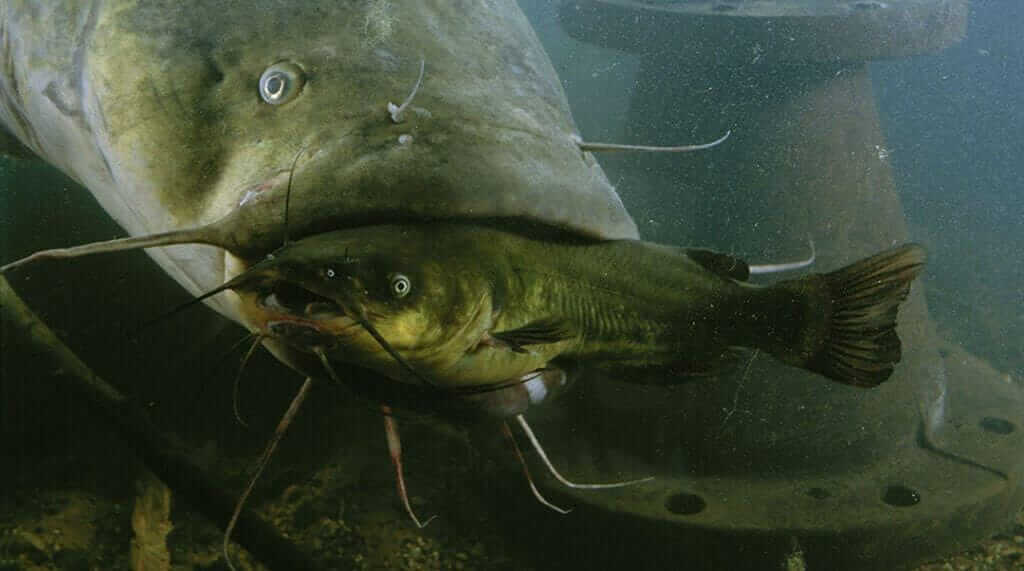
When you talk with catfish anglers across the country about the best catfish baits, you recognize the many types of natural and unnatural things they use to catch fish in rivers, reservoirs, and ponds. In part, that broad selection is due to the widespread distribution of the channel catfish, thriving (and reaching record size) in the Red River of the North, and providing fast fishing in rivers, reservoirs, and ponds south to the Gulf of Mexico and west to California. In these varied locations, they eat different species of fish or other materials, including snails, insect larvae, and even vegetable matter. Moreover, channel catfish are highly open-minded when it comes to feeding; what biologists call “omnivores.” Flathead and blue cats also inhabit widespread waters from North Carolina to California, and south into Louisiana and Florida. For this review, we look at the best baits for these species, which represent both excellent table fare and tackle-busting trophy-fish potential!
Best Catfish Baits
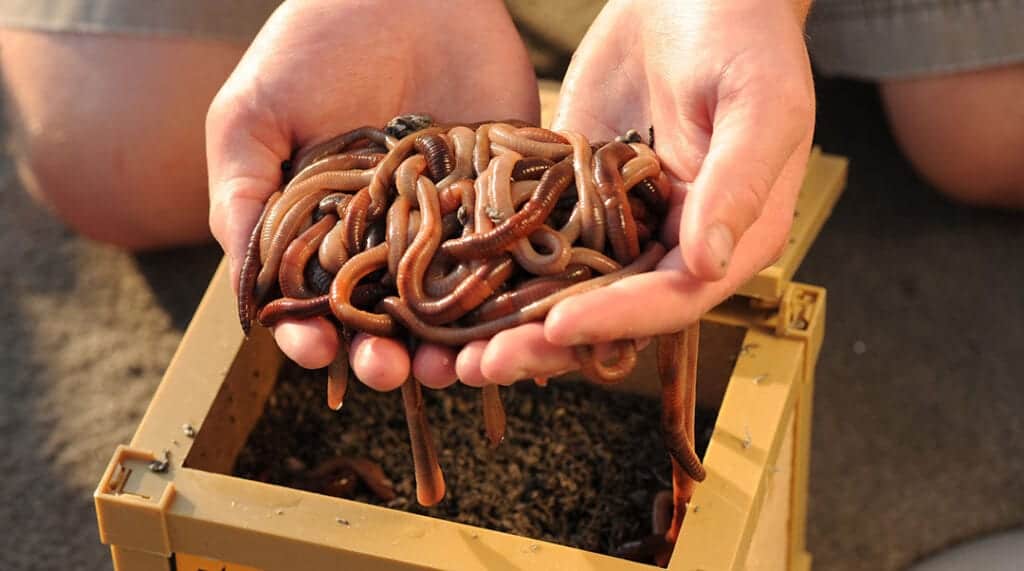
#1. Nightcrawler
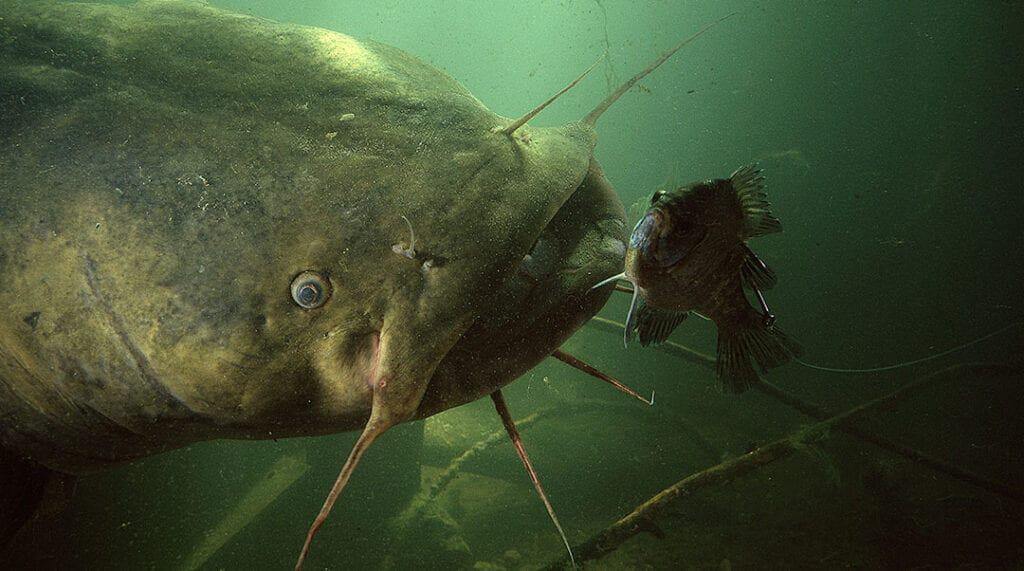
First on the list is the ubiquitous nightcrawler, favored food for all fish species. Channel cats bite worms everywhere, making them a top pick. Their availability tilts the scale–on sale at all bait shops and even most convenience stores in catfish country. They also attract lots of small, eating-size flathead and blue cats, as well as white catfish of coastal rivers and bullheads, which are always a hit with the younger crowd. Worms are easy to rig, sliding seamlessly onto a circle hook. Thread one on a hook, rig a slip-sinker, and you’re on your way to fun times and good eating. For jumbo cats, be generous, threading several juicy ‘crawlers onto a hook stout enough to boat these battlers. Their only downside lies with their appeal to suckers, bluegills, bass, perch, carp, and virtually every fish in the system, the ultimate multispecies treat!
#2. Gizzard Shad
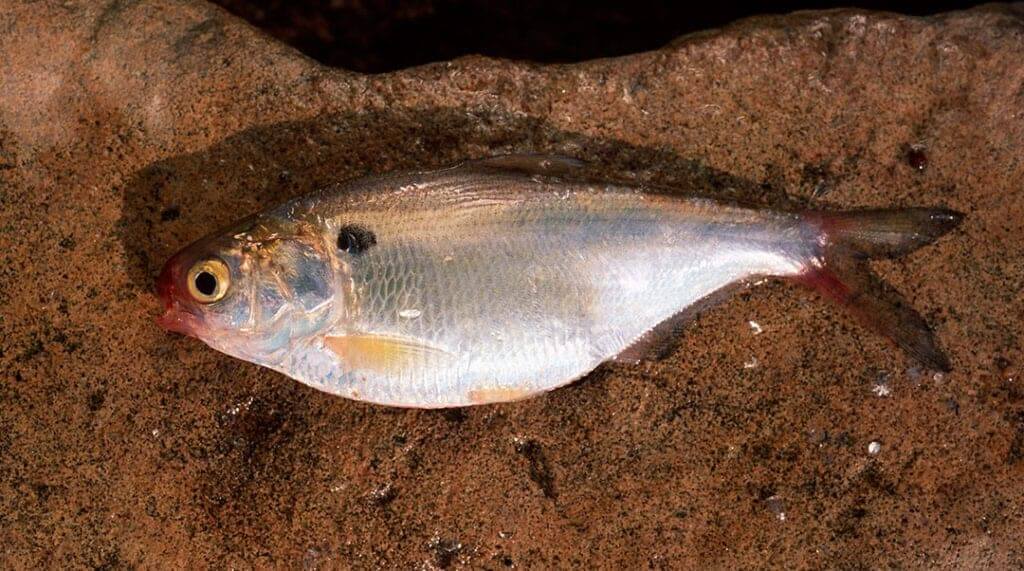
Few species of baitfish are as widely distributed and popular with catfish anglers as gizzard shad. With their blunt nose and wide-body, they’re susceptible to cast-netting and dip-netting. And baitshops offer live shad in many areas. But they work nearly as well when frozen, just a bit mushier, so bring plenty. Their distribution extends from the East Coast to the Great Lakes and west to Arizona. They’re popular blue catfish bait 12 months a year and big ones anchored on reservoir flats attract giant flatheads at night. For channel cats, choose 3- to 5-inch shad to fish whole, or else slice up chunks to thread on the hook.
#3. White Suckers
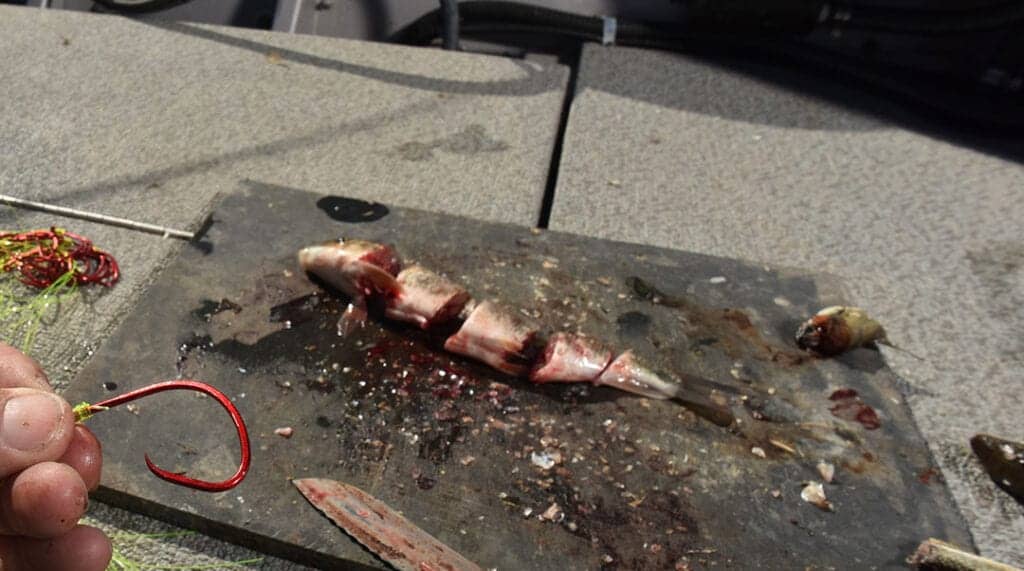
This common northern species is a top choice of anglers who readily catch their own in creeks with small hooks and garden worms. This tubular fish yields prime cut chunks along its entire length and catfish across the Midwest can’t get enough of their delicate flavor. Moreover, the fish’s bony skeleton helps it cling to the hook when only shreds of meat remain. Don’t discard the nose or tail sections, as big cats gobble them up. Suckers also work better than other baitfish after being frozen, due to their solid consistency and long-lasting flavor. Some catmen keep them alive in a cattle trough in the garage or cellar, using a pump and spray bar for aeration, and a biofilter for long-term use.
#4. Skipjack Herring
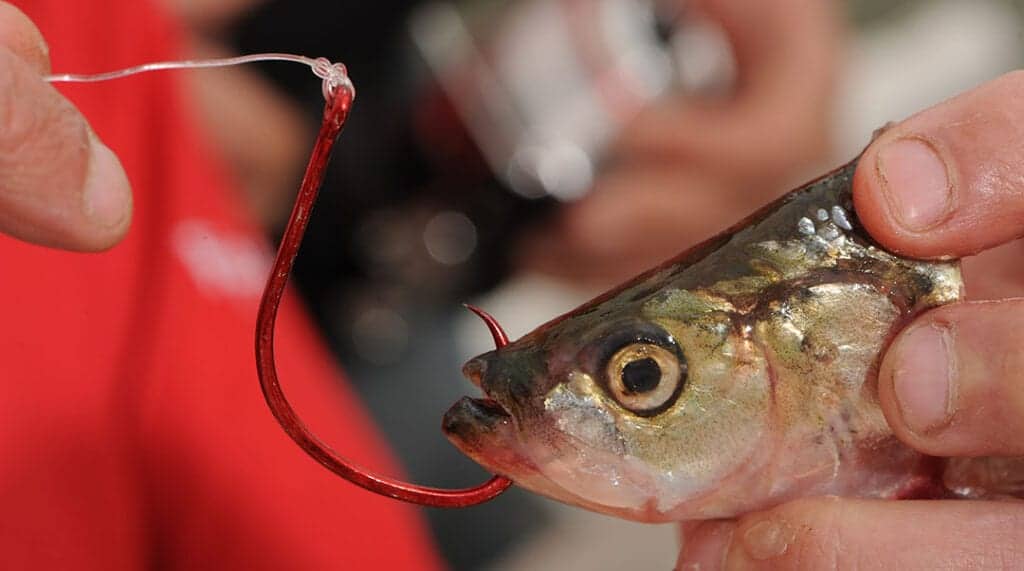
This migratory river species originated in coastal waters but is now found in many reservoirs as well. Though not widely available compared to other baits, skippies make up for it with their undeniable allure with jumbo blues, the ones that threaten to give you a hernia when you haul them over the gunnel. No self-respecting tournament stick would be without them in competition, as they have no equal for those trophy-size bites. These slender silvery fish are easily chopped or sliced for smaller blues and channel cats, while 8- to 12-inch baits call for a double-hook rig not like a quick-strike rig to tempt giant blues. Fishing in tailraces with small silvery jigs is a great way to collect them in spring, but they’re available in some baitshops, both live and frozen.
#5. Stinkbait
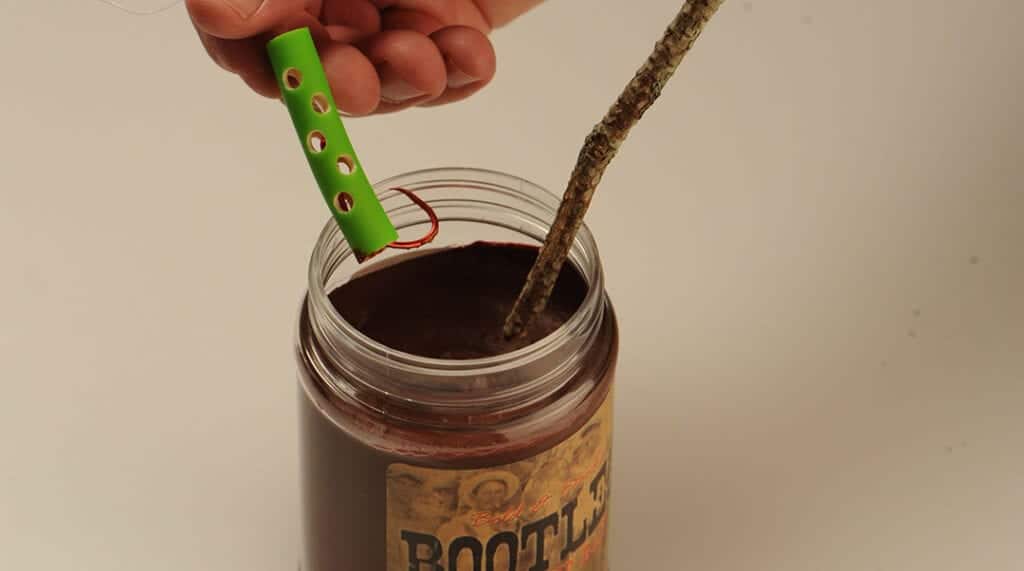
This stuff would rank higher on the list if it wasn’t so aptly named. If the label doesn’t scare you, best turn your head when you crack the cover. Stinkbaits make it clear that catfish’s sense of smell differs drastically from that of humans. But channel cats of all sizes eat it up, smaller blues as well. Even die-hard catmen use a stick to push a stinkbait carrier into the jar, typically shaped like a ribbed plastic worm or hollow teardrop to enclose the tasty goo. Its aroma washes off rapidly, which improves the bite, as cats hundreds of yards downstream detect the flavor and follow it like sharks on a blood trail. Several commercial brands have loyal followers, including Berkley PowerDip, Junnie’s Wicked Sticky, and Sonny’s Super Sticky. Some aficionados brew their own using secret ingredients.

#6. Asian Carp
Turn the tables on this invasive species by chopping them up for bait. This term refers to four species that are unfortunately becoming more common in our nation’s rivers and reservoirs—silver, bighead, grass, and black carp. Imported into Arkansas for the aquaculture trade, they’ve migrated widely and multiplied at a scary rate. Due to their threats to new waters, collection and use is banned in many states. But wherever legal, they’re a go-to bait for channel cats and blues, usually in cut chunks or fillets. Bigheads commonly exceed 40 pounds, so you get a lot of meat from one. Livebaits less than 2 pounds also are esteemed for flathead catfish. Needless to say, use them only where they’re common. And hang onto your rod when you drop them into a deep hole.
#7. Bluegills
This species is even more widespread than channel cats and typically of bite-size so they fill plenty of predator bellies. For big pond-dwelling channel cats, nothing is better than 4- to 5-inch sunfish on a float or bottom rig. And sunfish, including the closely related green sunfish, are tough to beat for jumbo flatheads, though optimal size is 7 to 8 inches. You can catch plenty with a #10 hook and worms and they’re hardy, allowing extended use. A few states don’t allow them to be used as bait, since they’re classified as a gamefish, but most allow personal use.
#8. Punchbait
In southern systems, you find less use of dip or stinkbaits, as punchbait takes its place as an artificial concoction, though their popularity has grown in northern waters as well. Many are manufactured locally but widely available, including Team Catfish Sudden Impact Bait, Danny King’s Catfish Bait, Willie P. Richardson’s Punch Magic, and Little Stinker Punch Bait. Simply punch a #4 or #6 treble hook down into the jar with a stick, then pull it out at an angle. The hook should be nicely coated and ready to cast. Punchbait needs to maintain a sticky consistency, so add cattail fuzz, hay, or cotton to the mix when it gets watery. Formulas vary, including blood-and cheese-based mixes that aren’t usually as “ripe” as stinkbaits. They generally appeal most to small to medium-size blues and channel cats, which most anglers seek, thus their popularity.
#9. Chicken Livers
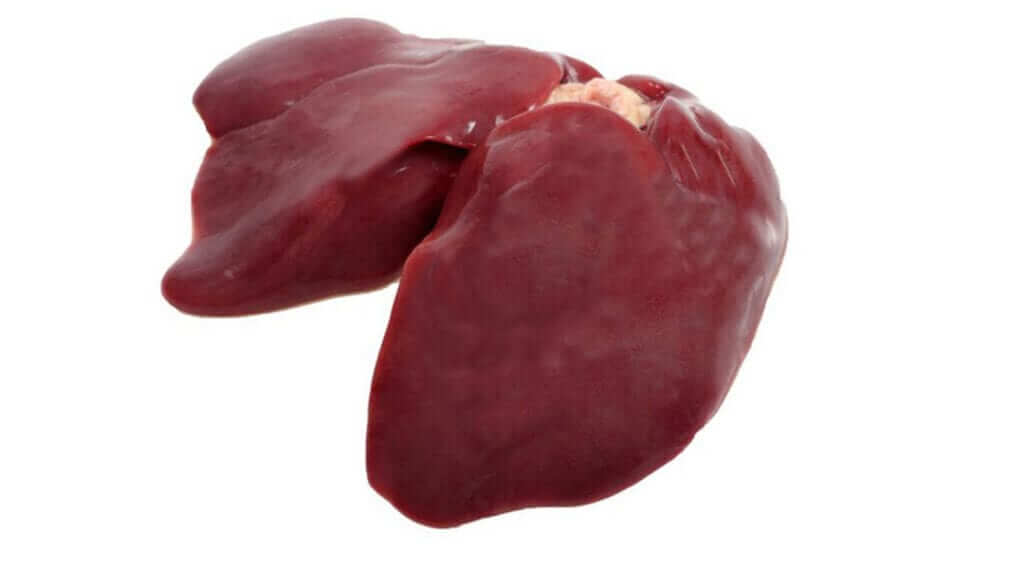
This traditional choice is hard to beat when bites are tough. For whatever reason, kitties crave them! Meat-packing companies including Tyson sell livers in a jar or you can get them from the butcher. Liver is delicate and readily breaks up in current, so you may have to rebait every 10 minutes, especially in fast current or warm conditions. But on the upside, you’re chumming your hole as you fish, so don’t change spots frequently. To keep them on a hook, wrap fresh livers in gauze or netting (old pantyhose is a favorite) to hold it together to form a golfball-size clump. The netting makes it easy to run the hook through as well.
#10. Shrimp
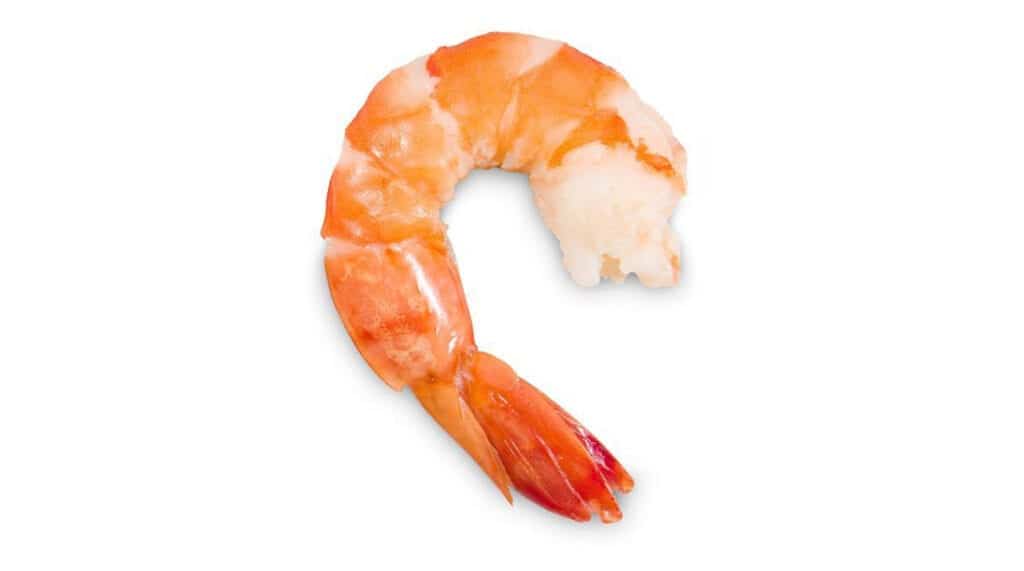
You never run out of bait if a grocery store is near, and there’s no denying their appeal to channel catfish, despite its absence in the natural diet. Carry a pack of frozen ones in a cooler and thread one onto the hook. There may be something in the essence of these crustaceans that rings a dinner bell. Channels and smaller flathead cats relish crayfish as well, but they’re harder to obtain. Trotliners often rely on shrimp, which tells you a lot about their appeal. And if the action slows, gobble a few for a snack. In general, catfish are less picky than other species, so select a few favorites from the list, put it in the right spot, and you won’t wait long!
Frequently Asked Question
Is chicken breast a good bait for catfish?
While chicken breast can be used as bait for catching catfish, it may not be the most effective option compared to alternatives like punch bait and shad. The author mentions that, in their experience, using punch bait and shad consistently resulted in catching more fish than when using chicken breast. They also point out that the amino acids in the chicken are what attract the fish, implying that plain chicken breast could be just as effective without additional additives like jello or Kool-Aid.
What is the best type of bait for catching flathead catfish?
Live baits such as perch, bluegill, sunfish, or mudcats. The passage emphasizes that flatheads primarily feed on live baits and recommends using robust and lively baits to attract these fish. Anglers targeting flatheads are advised to invest ample time on the water and suggested to acquire live bait from bait and tackle shops or through methods like trapping or using a rod and reel.
What are some characteristics of good stink baits (prepared baits) for catfish?
Good stink baits for catfish should exude a potent scent that may not be appealing to humans but can attract channel catfish with its strong trail of sensory overload. It is essential to select prepared baits from stores carefully, as there are both excellent and subpar options available. Mass-marketed baits that are not of high quality can give the misleading impression that these types of baits are ineffective. Based on thorough testing and experience, certain prepared baits consistently yield positive results and are favored for attracting and catching catfish.
What are the best natural baits used to catch larger catfish?
Natural baits commonly used for catching larger channel catfish include fresh dead shad, perch, and bluegill used either whole or in chunks. Additionally, minnows and various other dead and live baits can also be effective in attracting these fish. Opting for natural baits is recommended for those targeting larger channel catfish. The selection of bait suitable for catching bigger channel cats is usually similar to what is used for blue cats, albeit in smaller sizes.
What are the best punch baits and how are they different from dip baits?
Punch baits are a type of bait used for fishing that are thicker in consistency compared to dip baits. They are called punch baits because of the specific method used to bait the hook. With punch baits, a bare treble hook is inserted or ‘punched’ into the bait, allowing it to be easily loaded onto the hook. This technique eliminates the need for additional materials like tubes, sponges, or worms as punch baits adhere to the hook securely on their own. This makes punch baits a cleaner option for fishing compared to other bait types. Ultimately, while both punch baits and dip baits can be effective in catching channel catfish in numbers, some prefer punch baits for their convenience and ease of use.
Key characteristics of channel catfish and what types of baits are most effective for catching numbers of fish?
Channel catfish are known for being scavengers that prefer easy meals they can easily detect using their keen sense of smell, taste, sight, and sound. They are attracted to live or fresh dead bait and are driven by their strong instincts that are superior to those of many other fish species. To catch numbers of channel catfish effectively, it is recommended to use prepared baits such as dip and punch baits, as these are highly appealing to these fish and help increase fishing success rates.
How important is it to catch your own live or deadbait when fishing for blue catfish?
Catching your own live or dead bait when fishing for blue catfish is crucial for success. By obtaining fresh bait yourself, you ensure that the bait is appropriate for the specific type of fish you are targeting. Learning to catch your own bait, whether it’s shad or skipjack, allows you to understand the behavior of these baitfish and how they can attract blue catfish. Investing time in mastering bait-catching techniques, such as using a cast net or Sabiki Rigs, will greatly enhance your chances of catching more blue catfish. By learning to pattern baitfish throughout the year and honing your bait-catching skills, you’ll develop a deeper understanding of the ecosystem and improve your overall fishing skills. In essence, catching your own bait is an integral part of fishing for blue catfish and directly contributes to your success on the water.
What are some alternative bait options for blue catfish if the primary food source is not available in a specific body of water?
When the primary food source for blue catfish, such as shad or skipjack, is unavailable in a particular body of water, alternative bait options can be considered. In such circumstances, anglers may opt to use other bait types that closely mimic the natural forage present in that specific water body. This could include using alternative live baitfish species or utilizing artificial lures that closely resemble the typical prey items consumed by blue catfish in that environment. Experimenting with different bait options based on the local fish population and forage availability can help anglers find effective alternatives when the primary food source for blue catfish is not present.
What is the primary food source for blue catfish adn how does it affect bait selection for them?
The primary food source for blue catfish typically consists of threadfin shad, gizzard shad, or skipjack herring. These fish species serve as the main diet for blue catfish in the bodies of water they inhabit. Blue catfish are voracious eaters and spend much of their time actively hunting and consuming these forage fish. They are known to have bellies filled with shad or skipjack, often to the point of regurgitating excess baitfish.
When it comes to selecting bait for blue catfish, their preference for shad or skipjack herring as their primary food source is essential to consider. Blue cats are opportunistic predators, meaning they will readily consume both live and dead bait. However, the most effective bait for attracting blue catfish is always going to be their natural food source, such as shad or skipjack. Therefore, anglers looking to target blue catfish should prioritize using these types of bait to increase their chances of success in catching these predatory fish in lakes and rivers.
What are some important considerations when selecting the best catfish bait?
When selecting the best catfish bait, it is vital to consider the specific species of catfish you are targeting, as their food preferences and habits can vary significantly. Understanding the behaviors and differences between blue catfish, channel catfish, and flathead catfish is essential in determining the most effective bait for each species. Developing a specialized approach for each type of catfish can significantly increase your chances of success. It is crucial to research and learn about the different types of catfish to make informed decisions about bait selection, catfish rigs, and fishing techniques. Using the right bait tailored to the target species can greatly enhance your fishing experience and lead to better results on the water.
What are the different species of catfish and ho do their food preferences and habits vary?
Catfish encompass various species, each with distinct characteristics in terms of food preferences and habits. These differences necessitate tailored strategies when targeting different types of catfish.
For instance, there are various types of catfish such as blues, channels, flatheads, and bullheads, each with its unique feeding behaviors. Understanding these distinctions is crucial for a successful fishing expedition. Blues, for example, often prefer live bait such as shad or skipjack, while channels may be enticed by stink baits.
Additionally, the habitats where these catfish species reside play a significant role in determining their food preferences. For instance, flatheads are commonly found in areas with structures like submerged logs or rocks and tend to prey on live bait like small fish and crayfish, whereas bullheads, known for their scavenging behavior, are more adaptable in terms of diet.
Therefore, a comprehensive understanding of the varied species of catfish, their distinct food preferences, and feeding habits is essential for effectively selecting the right catfish rigs, bait selections, and fishing techniques to boost your chances of a successful catch. It is recommended to conduct thorough research on the different types of catfish to gain insights into their behaviors and variations in preferences.
What are some recommended brands for punch baits for catching channel catfish?
When it comes to recommended brands of punch baits for catching channel catfish, anglers have a variety of options to choose from. Some popular brands known for their effectiveness in attracting channel catfish include:
– Sure Shot Catfish Punch Bait
– Sudden Impact Fiber Bait from Team Catfish
These brands are favored for their ability to lure channel catfish effectively. Anglers often find that using punch baits simplifies the fishing process by eliminating the need for additional bait-holding tools like tubes, sponges, or worms. By using quality prepared bait from these reputable brands, anglers can increase their chances of success when targeting channel catfish.
Can cut bait be effective for catching flathead catfish?
Yes, cut bait is a successful method for catching flathead catfish based on their observations and the experiences of other anglers. They have seen cut bait perform well for flathead catfish many times, and they note that the biggest flatheads they catch traditionally come from using cut bait.r catching flathead catfish. So YES, cut bait can indeed be effective for catching flathead catfish.


[…] via […]
[…] 10 Best Catfish Baits of All-Time | Top Producing Baits | Angling Edge […]
[…] 10 Best Catfish Baits of All-Time | Top Producing Baits | Angling Edge […]
[…] 10 Best Catfish Baits of All-Time | Top Producing Baits | Angling Edge […]
[…] 10 Best Catfish Baits of All-Time | Top Producing Baits | Angling Edge […]
[…] Source: 🔗 […]
[…] Source: 🔗 […]
[…] More items… […]
[…] More items… […]
[…] What is the best bait for catfishing? […]
[…] https://anglingedge.mystagingwebsite.com/10-best-catfish-baits/ […]
[…] More items… […]
[…] October 10, 2023 by Estrella Are Nightcrawlers good for catfish? First on the list is the ubiquitous nightcrawler, favored food for all fish species. Channel cats bite worms everywhere, making them a top pick. Their availability tilts the scale–on sale at all bait shops and even most convenience stores in catfish country. Read more on anglingedge.com […]
[…] catfish as an example. Channel catfish locate their using their keen senses of smell and touch. Channel catfish have eight barbels, or whisker-like appendages, around their mouths that help them find […]