







Power Corking for Summer Walleyes: A Modern Take on an Old School Technique
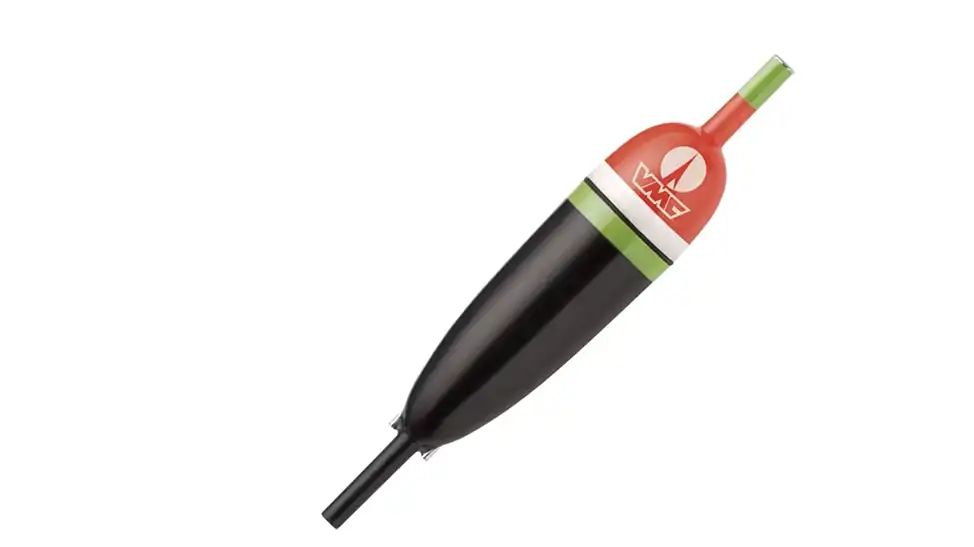
When most anglers hear “float fishing,” they picture a slow, passive presentation—the kind suited for panfish or an unhurried day on the water. But float fishing can be far more aggressive than many realize. Just as redfish and even crappie anglers have proven, a float can be used as a precision strike tool, not just a passive detector.
This is where “power corking” comes into play—an aggressive slip bobber technique designed to trigger strikes from neutral or negative walleyes. James and Nick Lindner demonstrate this approach in challenging conditions: warm, sunny skies and dead-calm water—conditions many walleye anglers dread.
Adapting to Conditions: Calm Water Strategy
Despite the lack of walleye chop, James and Nick showcase how effective float fishing can be—even on bluebird days. The key lies in precise boat control and strategic bait placement. The lake’s expansive underwater flats feature transitions from 24 to 30 feet, and when walleyes become less active, they often slide to the base of these drop-offs. That’s exactly where the Lindners target them. 
Using electronics to locate pods of fish grouped near these transitions, they drop coordinates and work to suspend live bait—typically leeches—just above the fish using slip bobbers. Their power corking approach proves ideal for these conditions, offering pinpoint bait placement and strike-triggering movement.
Slip Bobbers in Action
Once positioned, the setup is deceptively simple. Nick uses a single hook with a small resin bead to keep the leech positioned effectively. While that works well, James considers switching to a light jig head, a method popular with seasoned guides like Brad Hawthorne and Tony Roach. A small jig, such as a 1/16 or 1/8-ounce, pins the leech more directly, ensuring it stays in the strike zone rather than swimming away.
Shortly after setting lines, the action starts. While the first fish is small—a “future eater”—the bites quickly escalate. A bobber disappears, a rod loads up, and a better walleye comes to the boat. The duo highlights the importance of brightly colored bobber stops for depth adjustments and prefer varied colors depending on visibility needs. In Nick’s case, a pink bobber stop provides quick visibility for fast adjustments in 28 feet of water.
Boat Control and Stealth
Although spot-lock is a common tool for anchoring over fish, today’s dead-calm conditions provide “nature’s spot lock.” They drift slowly, watching for fish on their electronics, then pitch baits accordingly. It’s a stealthy tactic especially necessary on this clear water lake with zebra mussels—a condition that makes fish wary even in deep water.
Despite fishing in 26–28 feet of water, casting away from the boat remains critical. As Nick notes, even a slight disturbance above the fish can spook them. A key observation comes as a float dips quickly after a couple of small pops—a visual indicator that a hungry walleye couldn’t resist.
Tweaking the Presentation for Success
Fish size improves as the session continues. Using a small jig head or moon eye hook helps deliver quick, solid hooksets. These lighter presentations pair well with the natural movement of leeches, enticing fish into biting.
To ensure the bait stays at the ideal depth, Nick demonstrates using a simple ice fishing-style depth finder clip. He clips it to his jig, drops it down to the bottom, and adjusts the bobber stop to keep the bait about two feet above the lake bed—prime strike zone territory.
Lights Out Action on a Bluebird Day
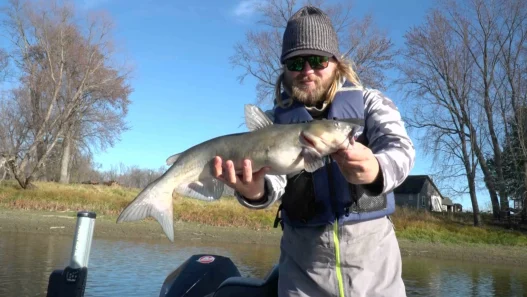
The action picks up. With every subtle bobber twitch, another hookset follows. A series of healthy “cookie cutter” walleyes find their way to the net. With water clarity being almost tropical, the visuals are stunning—big fish and high-definition views. It’s proof that float fishing, when executed aggressively and accurately, can be lethal in the right hands.
Nick and James’ float fishing rigs remain straightforward: a jig or light hook, a few feet of leader, and a well-placed leech. The power of this setup lies not in complexity, but in understanding structure, fish behavior, and executing with precision.
Rigging Right: The Setup Behind Power Corking Success
When it comes to power corking, the setup is both strategic and streamlined. Nick explains his rig in detail: it starts with a small hook or jig tied to three feet of fluorocarbon, followed by a barrel swivel. Above the swivel, two split shot rest beneath the slip float and a bead, with the bobber stop threaded roughly 25 feet up the main line. His line of choice? 8-pound advanced monofilament.
Though some anglers prefer braided line for float fishing, Nick favors mono for its manageability and stretch, especially when dealing with slack created by a float sitting away from the boat. This setup allows for a natural L-shape in the line, meaning an immediate hookset isn’t always possible. Instead, the technique demands patience—reel down, feel the weight, and sweep into the hookset gently.
Rod, Reel, and Drag: The Hardware That Seals the Deal
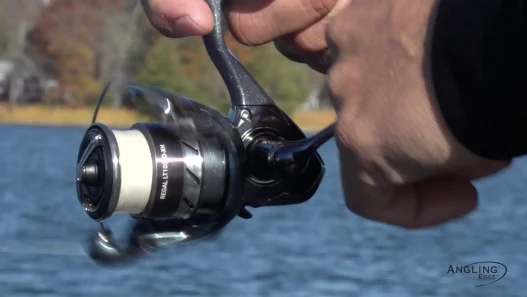
Because you’re not driving the hook home with force, a longer rod—like the 7-foot medium power, fast action St. Croix Triumph—is ideal. It offers the leverage needed for sweeping hooksets and better control at depth. As for reels, a size 2000 or 2500 spinning reel like the Daiwa LT Revros offers both finesse and performance at an accessible price point.
What makes these reels stand out is their finely tunable drag systems. Fishing with 4- to 8-pound line and tiny hooks demands drag precision, and being able to hear and feel that tension is critical to landing fish without tearing out the hook. Set properly, the drag system helps keep small hooks pinned and gives walleyes room to run without risk of losing them.
More Fish, Bigger Results
The effectiveness of power corking is on full display as the crew continues to connect with quality walleyes. Bobbers disappear almost as fast as they hit the water, and multiple fish come aboard in short order. The bite is fast, responsive, and efficient—a testament to precise electronics, thoughtful rigging, and technique-driven presentation.
A quick side note: when a float dives and a fish pulls hard enough, the bobber stop can slip down the line. That’s why it’s important to regularly reset and monitor your depth. Even slight changes can impact success when targeting suspended or structure-oriented walleyes.
The results speak for themselves—another solid walleye is netted, and the fish is precisely hooked right in the snout by the small moon eye jig. It’s a “move and groove” system that thrives in clear, calm conditions where traditional power presentations might fall flat.
Float Fishing on a Bluebird Day
Conditions remain far from “ideal” by traditional standards—flat water, clear skies, and high sun. Yet, the float fishing continues to produce, reinforcing just how adaptable and lethal this method can be when executed correctly.
As the session wraps, another big fish hits the net—a true trophy by day’s end. It’s undeniable: slip bobbers, when fished aggressively and strategically, can outperform almost any other tactic under tough conditions.
Bobber Fishing Walleye
Bobber fishing for walleye is a popular and effective technique that combines simplicity with strategic finesse, making it an enjoyable pursuit for anglers of all skill levels. The use of a bobber, also known as a float, adds an element of visual excitement to the experience, as it allows fishermen to observe subtle strikes and provides a connection between angler and fish. This method is particularly effective for targeting walleye, a species known for its sometimes finicky feeding habits and preference for low-light conditions.