






Chasing Giants: Deep Water Walleye Tactics in Northwest Ontario
Changing seasonal conditions often force anglers to adapt on the fly. As water temperatures shift and forage scatters, predictable fish locations can become ghost towns overnight. The question becomes: do you sit and wait for the fish to come to you, or do you actively hunt them down? For seasoned anglers—especially on vast Canadian waters—aggression wins. Covering water, locating the bite, and dialing in a pattern is often the name of the game.
That’s the approach we took on this trip to northwest Ontario, a region famous for its untouched lakes and booming populations of wild walleye. Our destination: the remote and fish-rich waters surrounding Kashabowie River Resort, and more specifically, Shabanawan Lake, an hour west of Thunder Bay.
Mapping Out Uncharted Waters
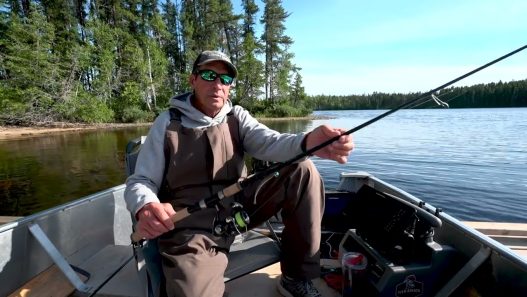
Neither James nor I had ever fished this lake before, which made the challenge all the more exciting. On big water like this, trolling becomes the first logical step. It allows you to scout the terrain, find bait, and most importantly, locate fish. We started by covering water with trolling passes and quickly began piecing together the lake’s puzzle. Within a short time, we were catching big northern pike and quality walleyes while zeroing in on main lake structure.
We ran a Mercury 150 four-stroke—quiet, reliable, and ideal for trolling all day long. The SmartCraft gauge system made precise speed control effortless, allowing us to dial in the ideal .8 to 1.2 mph range critical for spinner rigs. And when the fish showed themselves, we switched from search mode to a more precise, spot-on-the-spot approach.
Why Bottom Bouncers Rule These Waters
When you’re fishing for deep-water giants, bottom bouncers are hard to beat. They not only allow you to deliver baits right into the strike zone, but they also keep them there longer than other techniques. We started pulling spinner rigs—specifically VMC SpinDrift rigs—which consistently produced big walleyes. But bottom bouncers are versatile. You can use them to pull crankbaits like Rapalas or fish live bait directly.
The results were quick to come. On our first few passes, we landed several quality walleyes—including one real bruiser that kicked off the day in style. The effectiveness of bottom bouncers isn’t limited to walleyes either; big northern pike and even lake trout respond well to the same technique when they’re sharing the same deep basins.
Seasonal Movement and the Summer Bite
Though many anglers flock to Ontario in spring to fish shallow rivers and bays, mid-summer provides its own opportunities—if you know where to look. By late July, fish have pushed deep. We’re talking 50-foot basins where whitefish and tulibees gather—prime forage for not only walleyes, but also pike, lake trout, and even smallmouth bass.
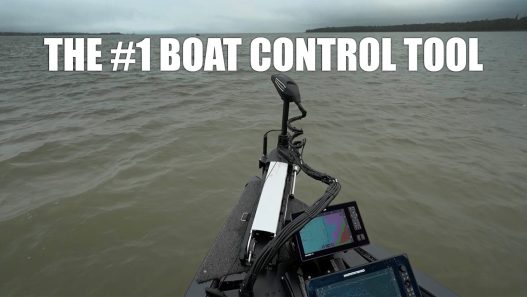
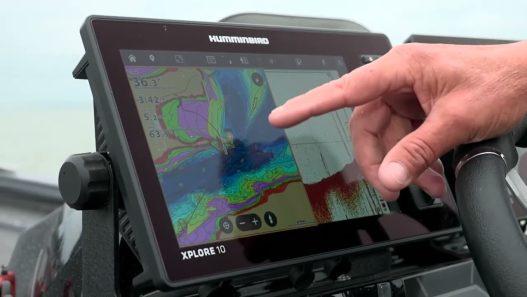
We targeted these main lake basins with tight boat control and GPS waypoints that mapped out subtle underwater ledges. With the trolling motor on spot lock and the boat perfectly positioned, we traced depth transitions—watching our electronics light up with arcs that told us we were in the right place.
Spinner Rig Success and Double Headers
As our understanding of the lake sharpened, so did our success. Spinner rigs, when fished at the right speed and depth, turned ordinary days into memory makers. On one drift, we doubled up—each of us tied into heavy fish that bent rods and tested gear. It was a classic Canadian double-header, the kind you dream about.
The combination of aggressive searching, precise trolling, and understanding forage-based patterns is what led us to success. Deep water may not be as visually appealing as weedy shallows or rocky shorelines, but when you find the right depth and structure, it can hold the biggest fish in the lake.
From Wilderness Looks to Urban Access
Though Chebandawan Lake looks wild and remote, it’s easily accessible—only about an hour from Thunder Bay. It’s popular with locals, filled with cottages, and still offers fishing on par with true wilderness experiences. The best part? You can bring your own boat, your own gear, and your own plan—and with the right approach, you’ll find yourself into trophy-caliber fish in no time.
Mastering the Bottom Bouncer: The Ultimate Canadian Walleye System
One of the most trusted rigs in Canadian walleye country is the bottom bouncer—a presentation that blends simplicity with effectiveness. Bottom bouncers excel on rugged structure, crawling effortlessly over ledges, rocks, and boulders with minimal snagging. That little wire arm ticking across the lake floor is a familiar sound to anglers who know its value.
Most Canadian visitors will fish a bottom bouncer with a nightcrawler and spinner rig. But its versatility stretches much further. You can also rig crankbaits behind it for a faster presentation, or run a plain snell with a crawler when fish are extremely finicky. This flexibility allows you to adjust your approach based on conditions, fish mood, and depth.
Speed, Structure, and Depth: The Winning Formula
We spent much of the day working edges in 22 to 25 feet of water, creeping along deep rock breaks at 0.8 to 1.0 mph. On these sharper ledges, subtle variations in boat control made all the difference. Boat positioning was critical—just 50 feet off the break in either direction and you might as well be fishing a desert.
As we pulsed the spinner rigs along the slope, we maintained intermittent bottom contact. A lift-drop retrieve mimicked natural bait movement and helped prevent snags, while the bouncer occasionally ticked bottom before lifting off again. Using a thumb bar reel like the Quantum Smoke made depth control a breeze—just press the button, drop to bottom, and engage.
Our tackle of choice included 10 lb Sufix Siege for strength and durability, and a St. Croix Icon rod built for bottom bouncing. With a medium-heavy backbone and a softer tip, it handled the rig’s weight and repetitive motion while still offering a responsive hookset. We often fished them in rod holders, letting the rod load up slowly before sweeping into the fish.
A Day to Remember: Double Headers and Quality Fish
Throughout the day, our average fish size remained high—a testament to the productivity of Chebandawan Lake. Spinner rigs outfitted with VMC double-hook systems worked especially well. These rigs trail a crawler so fish can nip and move up the bait, eventually getting hooked on the rear hook—an essential feature for catching wary walleyes.
To stay prepared, we had three bottom bouncer rigs rigged and ready. While spinner rigs did the heavy lifting, we also employed a VMC SpinDrift rig and a Rapala Flat Rap. Each had a role—SpinDrift rigs excel at slow speeds while retaining spinning action, and the Flat Rap is ideal for burning or pausing depending on fish mood. Both setups featured Sufix monofilament and sturdy hardware that could take a beating.
Matching spinner blade colors to water conditions and keeping a small selection of Rapalas in your kit means you’re never caught off guard. When in Canada, leave room in your box for terminal tackle—especially if you want to be ready for fish at any mood or depth.
Final Thoughts: Equipment, Wisdom, and Why We Fish
The bottom bouncer isn’t just a rig—it’s a system. It requires the right equipment, the right technique, and above all, the right mindset. Success in Canadian waters comes down to efficiency, precision, and a willingness to adapt. Whether you’re bouncing crawlers across a rocky ledge or pulling hard baits through suspended schools, being prepared with the right tools makes all the difference.

