








If there’s one thing that’ll humble even the most seasoned walleye angler, it’s a screen full of fish that just won’t commit. You’re marking them. You’re triggering them. But they’re short-striking—nipping, swiping, and missing. It’s one of the most common (and frustrating) scenarios we run into, especially when fishing aggressive baits like the Rapala Jigging Rap.
In this breakdown, I want to walk through exactly how to deal with those fish—because the difference between a slow day and a banner day often comes down to a few subtle adjustments.
Understanding the Short Strike
Short-striking walleyes are typically reacting to your bait—but not fully committing. That can happen for a few key reasons:
- Neutral mood fish: They’re interested, but not feeding aggressively
- Too much speed or aggression in your presentation
- Hook placement or bait size not matching how they’re attacking
With a bait like the Jigging Rap, which is designed to dart and glide, you’re often triggering reaction strikes. But when fish aren’t fully committing, you’ve got to shift gears.
Control the Cadence
The biggest mistake anglers make in this situation is continuing to fish too aggressively.
Instead:
- Shorten your stroke – Think subtle lifts instead of big rips
- Pause longer – Give that bait time to sit and let fish inspect it
- Stay in the zone – Keep your bait right above the fish’s nose
You’ll often see fish rise up, stall, and then barely tick the bait. That’s your cue—they want it, just not like that.
Downsize or Modify
If you’re getting consistent short strikes, it’s time to adjust the profile.
- Drop down one size in the Jigging Rap
- Consider adding a stinger hook for better hookup ratios
- Switch to a more subtle color if conditions are clear or high-pressure
The key is matching the fish’s mood. If they’re not crushing it, make it easier for them to eat.
Hooking Efficiency Matters
One thing that stands out in these scenarios is how often fish are actually making contact—you’re just not hooking them.
With the Rapala Jigging Rap:
- Make sure your hooks are razor sharp
- Check that the center treble isn’t fouled or tangled
- Stay ready—many bites feel like slack or just “weight”
A lot of these fish aren’t smashing the bait—they’re inhaling and spitting quickly.
Read Your Electronics
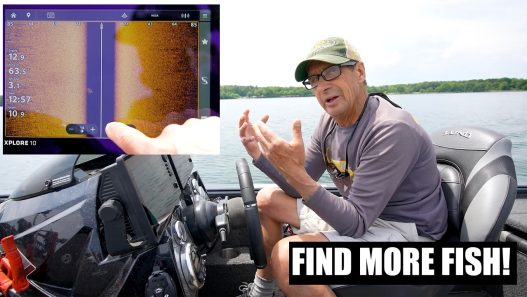
This is where modern sonar really shines.
- Watch how fish approach the bait
- If they’re charging and missing → slow down
- If they’re following but not committing → extend your pause
Your electronics are telling you the story in real time. The anglers who adjust based on that feedback are the ones who consistently convert lookers into biters.
Final Thought
Short-striking walleyes aren’t a dead end—they’re an opportunity. They’re telling you they’re there. They’re telling you they’re interested. You just need to fine-tune the presentation.
Slow it down. Clean it up. Make it easy.
Do that, and that same school of fish that was driving you crazy can turn into one of the most productive bites of your season.
And when it happens, you’ll know—you didn’t just find fish… you figured them out.

