







One of my favorite ways to cover water for summertime walleyes is with a shad-style crankbait. Whether I’m fishing expansive grass flats, scattered rock humps, or tapering points, this presentation allows me to quickly locate active fish that are ready to feed.
Recently, we were targeting walleyes that had just finished spawning about a week and a half to two weeks earlier. They’re still recovering from the spawn and beginning to feed aggressively again. Those fish weren’t chasing everything that came by, but when they committed to a bait, they absolutely crushed it.
One fish in particular inhaled a Rapala Harvest Shad so hard that there was no doubt she meant business. That’s exactly the kind of strike you’re looking for when covering large areas of water with reaction baits.
Covering Water Efficiently
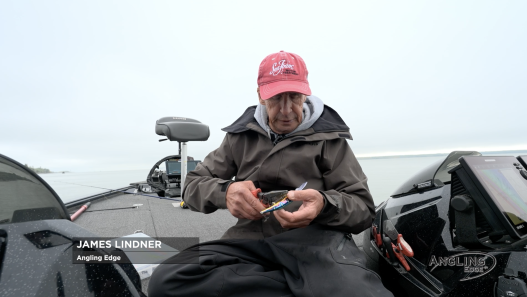
When I’m searching for fish, I rarely have just one rod laying on the deck. I’ll usually have a hair jig ready, a jigging bait, a rattle bait, and several different shad-profile crankbaits rigged up. Each has its place depending on what the fish are telling me.
But when the goal is simply finding fish, it’s tough to beat a shallow-running shad bait.
These lures allow you to make long casts across expansive structure while maintaining the proper running depth. That’s incredibly important when you’re fishing seven- to eight-foot grass flats or rocky areas where walleyes are roaming and feeding.
The more water you can efficiently cover, the more active fish you’re going to locate.
Why the Rod Matters More Than the Lure
One mistake I see anglers make is putting too much emphasis on the lure while overlooking the rod.
The rod is every bit as important as the bait itself.
For this style of fishing, I’m using the St. Croix Avid Series 7-foot Medium Moderate-Fast Casting Rod. The moderate action is exactly what makes this rod shine with lightweight shad baits.
First, it loads beautifully during the cast. Instead of forcing the lure forward, the rod bends deeply and launches lightweight crankbaits a tremendous distance. Longer casts mean your bait spends more time in the strike zone and gets farther away from the boat—two huge advantages when fishing clear water or shallow structure.
Keep More Walleyes Hooked
The second—and perhaps even bigger—advantage comes after the bite.
Walleyes are notorious for surging, shaking their heads, and throwing treble-hooked crankbaits. A rod that’s too stiff transfers every violent head shake directly to the hooks, giving fish an opportunity to pull free.
A moderate-action rod acts like a shock absorber.
Instead of ripping the hooks loose, the blank continues to flex and keeps steady pressure on the fish throughout the fight. That softer action dramatically improves your landing percentage, especially when big walleyes make sudden runs at boatside or jump near the surface.
Simply put, you’ll lose fewer fish.
Long Casts Equal More Fish
One of the biggest reasons I love this setup is how efficiently it fishes.
With long casts, I can work large sections of grass, scattered rock, and expansive flats without constantly repositioning the boat. The bait reaches its running depth quickly and stays there longer, giving every cast maximum effectiveness.
That’s especially important when you’re trying to eliminate water and locate schools of feeding walleyes.
Rather than making dozens of short casts, you’re making fewer, more productive presentations that cover significantly more structure.
The Right Tool for the Job
Fishing isn’t always about using the fanciest lure or the newest technology. Often, success comes from matching your equipment to the technique.
When you’re casting lightweight shad-profile crankbaits for summer walleyes, a moderate-action rod gives you three major advantages:
- Casts lightweight crankbaits significantly farther.
- Keeps treble-hooked fish pinned during the fight.
- Allows you to efficiently cover expansive flats, grass, and rocky structure.
Those small advantages add up over the course of a day. More efficient casts, better lure performance, and a higher landing percentage all translate into more walleyes in the boat.
If you’re serious about fishing shad baits this season, don’t overlook the rod. The St. Croix Avid 7′ Medium Moderate-Fast Casting Rod is purpose-built for exactly this application, and once you experience how well it casts and how many fish it keeps buttoned up, you’ll understand why it’s become one of my go-to setups whenever I’m searching for active summer walleyes.


