






When you spend enough time fishing across Canada, you quickly learn that every province—and sometimes individual bodies of water—can have its own set of fishing regulations. One rule anglers frequently encounter is the requirement to use barbless hooks.
That might sound like a minor detail, but when you’re on the water throwing crankbaits for walleyes, it’s something you need to be prepared for. And having the right pair of fishing pliers in the boat can make the job incredibly simple.
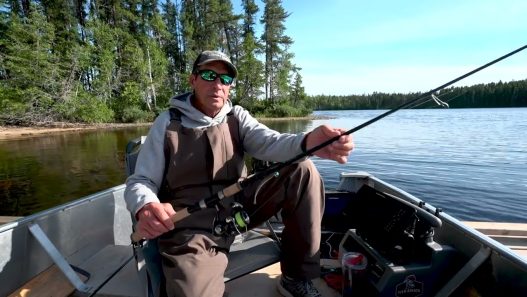
We were reminded of that on a recent walleye trip in Manitoba.
Changing the Program
Like a lot of days on the water, this one required a little adjustment.
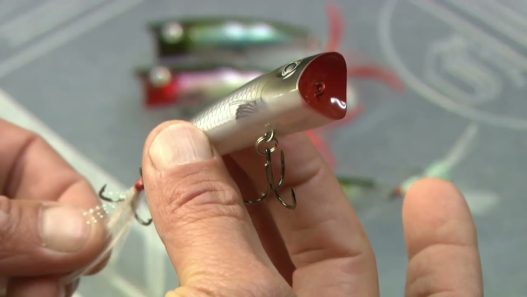
We had been fishing one presentation but weren’t seeing the caliber of walleyes we were looking for. Eventually, the decision was made to change things up and start experimenting with the Rapala Gold Miner crankbait.
It didn’t take long to get some positive feedback.
Within about two minutes of putting the Gold Miner into the program, we had a fish on. It wasn’t the giant green-backed Manitoba walleye we were hunting for, but when you’re trying something different and immediately catch a fish, that’s always encouraging.
That’s fishing. You make adjustments, pay attention to how the fish respond and continue refining the program until you figure out what’s happening.
Crankbaits and Treble Hooks Demand Good Tools
Once that first walleye came into the boat, another important part of crankbait fishing became obvious: you need to be careful handling fish hooked on treble-hooked baits.
A crankbait hanging from a walleye’s mouth can have multiple exposed hook points. The fish moves, the lure swings, and suddenly you’ve got a situation where both the fish and the angler can get hooked.
That’s why I like having a quality set of fishing pliers within easy reach.
With the right tool, you can control the hook, remove it quickly and get the fish back into the water without spending unnecessary time wrestling with the bait. In this particular case, the hook popped right out and we were able to admire a beautiful walleye before releasing it.
It’s one of those little things that experienced anglers sometimes take for granted. But good tools make fish handling faster, safer and more efficient.
Going Barbless in Manitoba
The other reason pliers are so important on this trip was the barbless-hook requirement referenced in the video.
Fortunately, converting a hook to barbless is extremely simple when you’ve got the right tool.
The Bubba fishing pliers we were using have several different crimping areas built into the jaws. More importantly for this situation, there’s a flat section that works extremely well for flattening a hook barb. Bubba Blade – Pliers – Walleye
You simply position the barb in that flat section of the pliers, squeeze it firmly and give the hook a quick check. The barb is flattened and you’re ready to fish.
It takes only a few seconds.
That’s particularly valuable when you’re fishing crankbaits because you’re potentially dealing with several hook points on every lure.
Check Every Hook Point
Whenever you’re fishing somewhere that requires barbless hooks, don’t assume that crushing one barb means you’re finished.
A crankbait with two treble hooks can have six individual hook points. Each one needs attention.
Take a few seconds before putting the bait into the water and inspect every hook. Run your finger carefully along the back side of the hook point or visually inspect the barb to make sure it’s completely flattened.
It’s much easier to take care of that while you’re rigging than to discover later that you overlooked one.
And when you’re changing crankbaits throughout the day, develop a routine: new bait comes out of the box, hooks get checked, barbs get flattened, then the bait goes into the water.
Don’t Be Afraid of Barbless Hooks
Some anglers worry that going barbless means they’re going to lose more fish.
In reality, good fish-fighting fundamentals become much more important than the barb itself. Once a fish is hooked, maintaining steady pressure is the key.
Keep the rod loaded and avoid giving the fish unnecessary slack. That’s particularly important with walleyes hooked on crankbaits because you’ve got the weight and leverage of the lure working against you.
A properly hooked fish with consistent pressure can be landed very effectively on barbless hooks.
There is also a major advantage once the fish reaches the boat: hook removal is usually extremely quick.
That’s especially nice when you’re releasing fish. Less time handling hooks means less time handling the fish.
Pliers Are More Than a Hook-Removal Tool
A good pair of fishing pliers is one of those pieces of equipment that doesn’t receive much attention until you need it.
Then suddenly it’s one of the most important tools in the boat.
For crankbait anglers, pliers can handle several jobs—removing hooks, manipulating terminal tackle, making adjustments and, in this case, quickly flattening barbs.
That’s why I like tools that are designed specifically around fishing situations rather than carrying a generic pair of hardware-store pliers.
When you’re dealing with a walleye bouncing around in the net with a crankbait hanging out of its mouth, you want a tool that feels comfortable in your hand and allows you to work quickly and precisely.
Little Details Matter
Fishing success is usually the result of a whole series of small decisions.
Sometimes it’s deciding to abandon one presentation and start experimenting with a crankbait. Sometimes it’s changing locations, depths or speeds.
And sometimes it’s something as simple as having the right pair of pliers sitting next to you.
On this Manitoba trip, we changed the program, started throwing Rapala Gold Miners and immediately began getting feedback from the fish. At the same time, the Bubba pliers gave us a quick and simple way to prepare those crankbaits for barbless fishing.
Those are the kinds of details that keep you fishing efficiently.
Because once the walleyes start biting, the last thing you want to be doing is digging around the boat looking for the right tool.