








There are certain lakes across North America that force you to think differently if you want to consistently catch bass. Lake Vermilion is one of those lakes. It’s big water. It’s rugged water. And when it comes to smallmouth bass, it’s a lake that rewards anglers who understand fishing logic more than fishing spots.
A lot of anglers show up on Vermilion looking for one magical reef, one secret dock, or one isolated boulder patch that’s loaded with fish. But the truth is, this lake is more about patterns and efficiency than running to waypoints.
What makes Vermilion so special is how much fishable water exists. The lake is filled with islands, rock transitions, shallow flats, sharp breaks, boulder points, and scattered shoreline cover. In many cases, smallmouth bass here are what I call “chunk-and-grind” fish. They’re spread out. They roam. And instead of sitting on one tiny spot, they often position along broad feeding zones where they can move up and down structure easily.
That means your mindset has to change.
Instead of slowing down immediately and picking apart every little piece of structure, a lot of times the better strategy is to keep moving. Cover water. Fish efficiently. Trust the lake. That’s the real fishing logic behind Vermilion smallmouths.
You pull up to an island and start breaking it down logically. Maybe there’s a shallow rock shelf with scattered boulders. Maybe there’s a sharp break nearby that drops into deeper water. Maybe there’s a dock or wind-blown point close to the structure. Those are all high-percentage areas.
And the beautiful thing about Vermilion is this: there are hundreds and hundreds of places that look exactly right.
There are 365 islands on Vermilion—one for every day of the year—and almost every one of them has something that can hold smallmouth bass. That’s why this lake can seem overwhelming at first, but once you understand the pattern, it actually becomes one of the easiest lakes in the North Country to break down.
You can literally drop the trolling motor around almost any island and start finding bass if conditions line up.
One of the keys is understanding how bass use the lake’s structure throughout the day. Early in the morning or during low-light conditions, smallmouth often push shallow onto flats, shoreline rock, and isolated boulders to feed. As the sun gets higher, many slide toward sharper breaks or deeper edges that remain close to feeding areas.
That’s why sharp drop-offs next to flats are so important on Vermilion. Those transitions allow fish to move vertically without leaving the area completely. Smallmouth love efficiency just like anglers do. They want access to deep water security and shallow feeding opportunities at the same time.
When it comes to presentations, moving baits are often the trigger that helps you locate active fish fast. On lakes like Vermilion, I’m a huge believer in using reaction baits to establish patterns before slowing down.
A chatterbait-style jig is a perfect example. It allows you to cover water quickly while still presenting enough vibration and flash to trigger aggressive bass. The fish in Vermilion are incredibly healthy, incredibly strong, and they often react violently to moving presentations.
And when you hook one, you know it immediately.
Smallmouth bass in Vermilion are famous for their fight. They surge. They jump. They bulldog into rocks. Even a two-pound fish can feel much bigger because of how hard they pull in cold, clear northern water.
Another unique thing about these fish is their coloration. Vermilion smallmouth often carry that dark bronze or copper pattern that northern shield-lake bass are known for. They’re absolutely beautiful fish, and a reflection of the clean, rocky environment they live in.
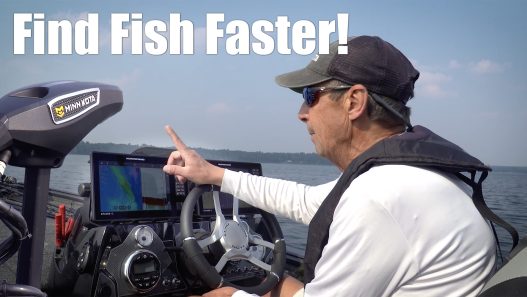
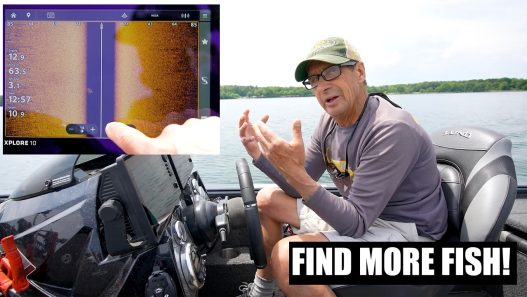
Electronics can certainly help speed up the process, but this lake still rewards old-school fishing instincts. Wind direction matters. Current flow matters. Sun angle matters. The ability to recognize productive shoreline shape and underwater structure matters.
And perhaps more than anything else, confidence matters.
Because on a lake like Vermilion, once you understand the logic, you stop fishing “spots” and start fishing the entire system.
That’s when things really begin to click.
You stop overthinking every cast. You stop second-guessing yourself. Instead, you trust the lake, trust the pattern, and keep moving until you intercept active fish.
That’s the beauty of northern smallmouth fishing.
And few places showcase that better than Lake Vermilion.

