








There’s something different about a true Canadian Shield muskie adventure. The water feels bigger. The fish feel wilder. And every single cast carries the possibility of connecting with the biggest predator you’ve ever seen.
That’s exactly what makes a trip to Lac Seul so addictive.
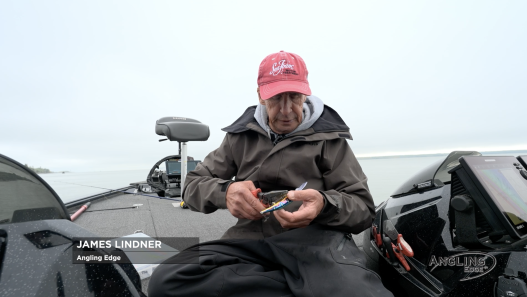
Fishing alongside James Lindner at Slate Falls Outposts reminded me why this place has earned such a legendary reputation among hardcore muskie anglers. From massive shallow rock flats to hidden weed beds tucked deep into back bays, Lac Seul offers endless water to explore—and seemingly endless opportunities at giant fish.
What makes an outpost experience so special isn’t just the fishing. It’s the exploration. Every day starts with new water, new structure, and the possibility of discovering a hidden muskie factory that maybe nobody has touched in days—or weeks.
James summed it up perfectly during the trip: after fishing this system for decades, there are still countless spots left unexplored. That’s the magic of this place.
Reading Muskie Water on Lac Seul
One of the first things we noticed during this trip was just how important habitat combinations were. It wasn’t enough to simply find weeds or rocks independently. The best spots consistently combined multiple key ingredients together:
- Healthy cabbage weeds
- Shallow rock saddles
- Current from wind direction
- Access to deeper water
- Isolated structure edges
One particular area that immediately jumped out featured shallow rock flats, a saddle between weed beds, and strong southeast wind pushing current directly through the structure. It looked absolutely perfect—and it produced immediately with a giant topwater muskie.
That’s something muskie anglers learn over time: sometimes the spots that look incredible really are incredible.
Flat calm conditions also helped us visually identify cabbage growth and underwater structure transitions. On clear Canadian Shield lakes like Lac Seul, calm water can actually become a huge advantage because you can physically see the habitat you’re searching for.
Confidence Baits Matter
Muskie fishing is as much mental as physical.
You can go hours without seeing a fish, and then suddenly chaos erupts boatside. Because of that, confidence in your presentations becomes incredibly important.
For me, warm-water muskies have traditionally meant bucktails. I always want at least one fast-moving spinner presentation in the water. But spending time around anglers who believe heavily in topwater presentations pushed me to branch out more during this trip.
The result?
One of the biggest fish of the trip absolutely annihilated a topwater bait less than thirty minutes after committing to it.
That’s the lesson with muskies. Persistence eventually pays off. You keep fishing high-percentage structure, keep making quality casts, and eventually everything comes together in an explosive moment.
Using Electronics to Break Down Massive Water
Lac Seul is enormous, and without mapping technology, trying to efficiently break it down would be overwhelming.
Throughout the trip we leaned heavily on mapping and AutoChart technology to identify structure transitions and build our own detailed contour maps as we explored. James used waypoint systems to categorize structure types:
- Weeds
- Shallow rock
- Deep rock
- Current areas
- Structural sweet spots
The key pattern became finding weeds in roughly four to seven feet of water with deeper rocks nearby. When those two ingredients intersected, muskies consistently showed up.
That’s one of the unique things about Canadian Shield fisheries. The “spot on the spot” often becomes incredibly small. A giant reef system might only have one tiny section that consistently holds active fish.
Complementary Presentations Catch More Muskies
One of the smartest things muskie anglers can do when fishing with a partner is run complementary presentations.
While I spent much of the trip throwing bucktails and topwater baits, James mixed in giant minnow-style presentations and glide-style lures that targeted slightly different depths and actions.
That combination allowed us to quickly learn what the fish wanted each day.
Our general approach included:
- Fast-moving bucktails
- Topwater presentations
- Large minnow baits
- Shallow glide baits
- Soft-plastic Suick-style presentations
The important part wasn’t just lure selection—it was efficiency. We wanted presentations that could cover water quickly while still triggering reaction strikes from active fish.
Muskie Gear Built for Big Fish
When you’re targeting giant muskies, your gear has to match the challenge.
During this trip, several rod setups played critical roles depending on presentation style. Larger bucktails and blades required heavy-duty long rods, while precision shallow-water presentations called for slightly shorter, more accurate setups.
One standout setup involved the new St. Croix Musky X paired with a 10-inch Suick for shallow weed fishing. The split-grip configuration worked especially well for twitch-style presentations where wrist action becomes important.
Reel selection also matters tremendously in muskie fishing. Jeremy relied heavily on the Daiwa Prorex series because of its compact feel, powerful gearing, and strong drag system capable of driving hooks into massive fish.
For line, shock strength becomes critical when fish strike violently at close range. That’s why heavy braided line like Sufix ProMix Braid becomes such an important part of the equation.
Controlled Chaos During the Fight
There’s no such thing as a calm muskie landing.
Everything happens fast. Giant fish thrash violently. Hooks fly everywhere. Rods get tangled. Nets become tangled. Pure chaos.
That’s why preparation matters so much.
Before landing fish, we made sure critical release tools were immediately accessible:
Jeremy emphasized how important it is to organize these tools ahead of time because once a giant fish hits the net, things escalate quickly.
One of the biggest fish of the trip barely stayed pinned during the fight, connected by essentially a single hook point. But careful boat control, teamwork, and controlled pressure allowed us to successfully land and release the fish in excellent condition.
The Importance of Proper Fish Handling
One message that stood out throughout the trip was conservation.
Big muskies are precious resources, especially on trophy fisheries like Lac Seul.
Jeremy talked extensively about keeping fish in the water as much as possible, running barbless hooks, and prioritizing quick releases over hero shots.
The reality is simple: proper handling ensures these giant fish survive to fight another day—and potentially grow even larger.
Watching one of those massive fish slowly kick away beside the boat is every bit as rewarding as the strike itself.
Why Lac Seul Stands Apart
There are great muskie lakes all over North America.
But Lac Seul feels different.
The sheer size of the system. The untouched habitat. The combination of weeds, rock, current, and forage. The realistic chance at truly giant fish every single day.
And maybe most importantly—the adventure.
Running miles through Canadian Shield wilderness, discovering hidden structure, and sharing boatside chaos with great friends is what makes trips like this unforgettable.
For serious muskie anglers, places like Slate Falls Outposts offer exactly what we all chase: exploration, opportunity, and the possibility that the next cast could connect with the fish of a lifetime.

