








By Jeff Simpson
There are few debates in walleye fishing that have lasted longer than live bait versus artificial lures.
If you’ve spent any time chasing walleyes in the fall, you’ve probably found yourself firmly planted on one side of the fence. Some anglers refuse to leave the dock without a bucket of minnows. Others would rather cover water with hard baits and force fish to react.
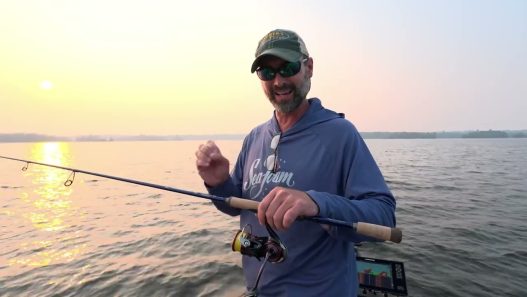
Recently, I had the opportunity to put both approaches to the test while fishing with Jeremy Smith on a cold late-October day. Water temperatures had dropped to 48 degrees, and the walleyes had made a significant move into shallow water. We were finding fish in three to twelve feet of water relating to expansive sandgrass flats and scattered weed cover.
The conditions were perfect for settling an argument that every walleye angler has had at one point or another.
Which is better: live bait or jerkbaits?
The answer, as always in fishing, isn’t quite that simple.
Finding Fish Comes First
Before worrying about what presentation to use, you have to locate fish.
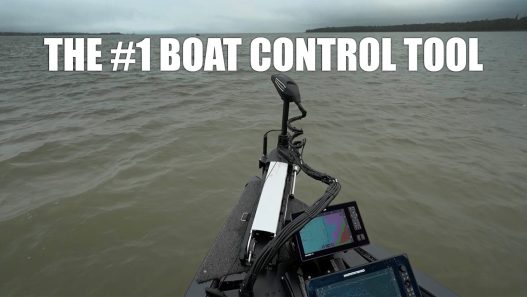
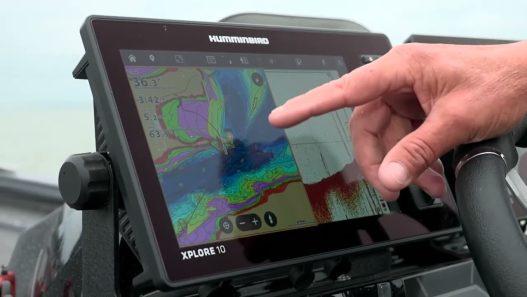
One thing that stood out immediately was how effective side imaging was for locating walleyes on these expansive flats.
Forward-facing sonar gets a lot of attention these days, and rightfully so. It’s incredible technology. But when fish are spread across massive areas of soft-bottom habitat, side imaging can actually be the more efficient tool.
Jeremy spent much of the morning idling across these flats, marking schools of fish that appeared as bright grains of rice with distinct shadows behind them. Instead of trying to target individual fish, we were identifying pods of walleyes, dropping waypoints, and then returning to fan-cast those areas.
The fish weren’t on obvious structure.
They weren’t stacked on steep breaks.
They were simply using subtle transitions and roaming the flats in search of food.
Once we found them, the real experiment began.
The Confidence of a Jig and Minnow
I started with what many anglers would consider the most dependable presentation in walleye fishing: a jig and minnow.
There is a reason this combination has caught millions of walleyes over the years.
It’s natural.
It’s versatile.
And most importantly, it works.
When fish are feeding but not overly aggressive, live bait provides scent, taste, and a realistic presentation that can convince even neutral fish to bite.
As we worked across the flats, I was catching fish consistently.
The walleyes were there.
The jig and minnow was producing.
Everything was going according to plan.
At least that’s what I thought.
Then Jeremy started putting on a clinic.
The Maverick Takes Over
While I was pitching jigs, Jeremy was throwing a Rapala Maverick Deep jerkbait.
And it wasn’t even close.
Fish after fish started finding their way into the boat.
Meanwhile, my reliable live bait presentation was getting completely outperformed.
It wasn’t that the jig and minnow stopped working.
It was simply that the jerkbait was working dramatically better.
The fish were clearly in feeding mode.
They had moved shallow.
They were actively hunting perch.
And that Maverick looked exactly like what they wanted.
What became fascinating was how the fish were striking.
Many anglers think of jerkbaits as aggressive presentations that require violent snaps and constant movement.
That wasn’t the case.
Jeremy was simply reeling the bait down to depth, pulling it forward a few feet, pausing, and repeating the process.
Pull.
Pause.
Pull.
Pause.
Most of the bites came when the bait was sitting motionless.
The walleyes would follow, study the bait, and then absolutely crush it during the pause.
Why Jerkbaits Shine in the Fall
Fall creates a unique situation for walleyes.
As water temperatures cool, baitfish begin to concentrate.
Walleyes move shallow to feed heavily before winter.
These fish aren’t always looking for an easy meal.
Often they’re looking to ambush prey.
That’s where jerkbaits become deadly.
Unlike live bait, which relies on natural scent and realism, jerkbaits trigger reaction strikes.
The erratic darting action mimics an injured baitfish.
The pause gives predators an opportunity to commit.
And when conditions line up, it can be almost impossible for walleyes to ignore.
Jeremy compared the Maverick to the original Jigging Rap phenomenon.
There are certain lures that seem to unlock something special in walleyes.
The Maverick appears to be one of them.
Throughout the afternoon, we watched fish repeatedly choose the jerkbait over live bait.
That’s not something you see every day.
The Moment Everything Changed
Eventually, curiosity got the best of me.
Jeremy had built a pretty substantial lead in our unofficial competition.
I finally asked for one of his jerkbaits.
On my very first cast, I caught a walleye.
First cast.
Game over.
Sometimes fishing humbles you.
I’ve spent decades catching walleyes on live bait, and there will always be a place for it. But that first-cast fish was a reminder that staying stubborn can cost you fish.
The fish were telling us exactly what they wanted.
All we had to do was listen.
Building the Perfect Fall Jerkbait Setup
One of the biggest takeaways from the day was that jerkbait success isn’t just about the lure.
The setup matters.
Jeremy’s preferred system is surprisingly simple:
- 6’8″ medium-power, extra-fast-action rod
- 3000-size spinning reel
- 10-pound Sufix 832 braid
- 14-pound fluorocarbon leader
The extra-fast action is critical because it allows anglers to impart precise action to the bait while maintaining enough backbone for solid hooksets.
The braided line improves sensitivity and allows anglers to see subtle strikes that occur during pauses.
The larger spinning reel picks up slack quickly, which is extremely important when fishing a presentation that creates frequent slack line.
What surprised me most was how versatile this setup really is.
The exact same rod and reel can effectively fish:
- Jigs and minnows
- Snap jigs
- Plastics
- Jerkbaits
For anglers looking to simplify their fall arsenal, it’s hard to beat a setup that can handle both live bait and artificials.
So Which One Wins?
The truth is neither approach wins every day.
There are plenty of situations where live bait absolutely dominates.
Cold fronts.
Negative fish.
Highly pressured walleyes.
Tough conditions.
In those situations, a jig and minnow remains one of the most reliable presentations ever created.
But on this particular day, the jerkbait won.
And it won convincingly.
The fish were active.
They were feeding shallow.
They were hunting perch.
The reaction bite was simply stronger than the natural presentation.
That’s one of the biggest lessons in fishing.
Never become so committed to a technique that you’re unwilling to adapt.
Some days walleyes want a slow, natural presentation.
Other days they want something that triggers an aggressive response.
The anglers who consistently catch fish are the ones willing to let the fish make the decision.
Final Thoughts
Fishing with Jeremy was a great reminder that walleyes don’t always read the rulebook.
We often think of fall fishing as a time for slow presentations and live bait.
Yet here we were, watching fish repeatedly choose a jerkbait over a jig and minnow.
It reinforced something I’ve learned over the years.
The best anglers aren’t necessarily the ones who know the most techniques.
They’re the ones who recognize when it’s time to change.
So the next time you’re chasing shallow fall walleyes, bring the minnows.
But don’t leave the jerkbaits at home.
Because there may come a point when the fish tell you exactly what they want.
And if you’re smart enough to listen, you just might have one of those unforgettable days on the water.


it surprises me how many super fisherman are front facing sonar ,its already ruining fish tournaments,the true fishermen like the lindner brothers could read a lake,,,thats what made them great,i watched a walleye tournament on tv ,,the guy said i only cast if i see a big fish on ffs,i no longer watch these shows