





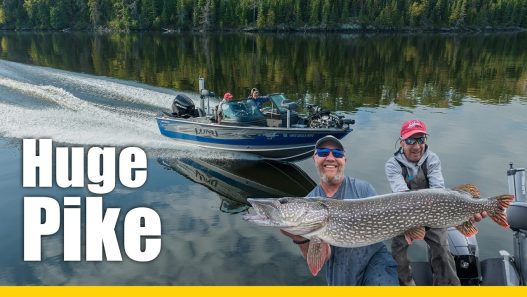




Video: James and Troy Lindner head to Sunset Country in Ontario to target trophy walleye in the fall using a variety of deep water tactics.
Chasing Trophy Walleyes in Sunset Country: Techniques, Tackle, and Tactics
A Fast Start on Gull Rock Lake
It took less than a minute. A big walleye hammered the bait and set the tone for what would be a spectacular day on the water in Northwestern Ontario. On a crisp September morning, the scene unfolded quickly—big hookset, big fish, and big smiles. This wasn’t just luck. This was Gull Rock Lake in Sunset Country, and it was trophy season.
As Troy and the crew released the first hefty fish back into the depths, the excitement was palpable. They had only been fishing for about 10 minutes. The message was clear: fall fishing in Sunset Country means action, and often, it means big fish right out of the gate.
The Setting: Sunset Country’s Legendary Waters
Located at the end of Highway 105, Gull Rock Lake and the surrounding waters, including Lac Seul, Perrault Lake, Cedar Lake, and the Indian Chain, are part of Ontario’s world-renowned Sunset Country. The region boasts an incredible diversity of species—crappie, pike, muskies, whitefish, lake trout, and of course, walleyes. Each of these systems holds the potential for extraordinary multi-species days, especially during the early fall window.
At Five Lakes Lodge, nestled along the shores of Gull Rock, anglers are perfectly positioned to explore this walleye-rich ecosystem during the peak of the bite—the second week of September.
The Importance of Electronics: Finding Fish Before Dropping a Line
One of the most valuable pieces of advice for anglers venturing into Sunset Country is simple: don’t start fishing immediately. Instead, use your electronics to explore. Search for baitfish, structure, and how fish relate to that structure before you make your first cast or drop.
Currently, the big walleyes were holding between 25 and 35 feet on prominent main-lake points tapering into deep water. Using modern sonar, the crew scanned for subtle ledges and scattered fish before committing to their first presentation.
Proven Techniques for Big Fall Walleyes
The crew employed a variety of methods tailored to both the size of the fish and the structure they were targeting:
1. Jig Trolling with Paddle Tail Plastics
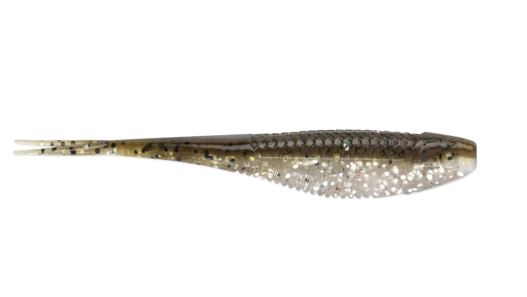
One standout technique was jig trolling using a ½ oz VMC Moon Eye jig paired with a 3.5″ Big Bite Suicide Shad. Unlike traditional jigging, this tactic involved slow trolling—0.5 to 0.8 mph—while keeping the bait ticking the bottom or hovering just above it. This technique not only covers water efficiently but also triggers reaction strikes from bigger walleyes.
2. Bottom Bouncer and Rapala Combination
Another highly effective approach was slow trolling with a bottom bouncer and a large original Rapala. A 3-ounce bouncer paired with a size 13 or 11 Rapala allowed them to work sprawling flats and expansive bars. By cruising at speeds up to 1.2 mph, they covered vast areas where fish were scattered—ideal for massive Canadian structures where windblown points can stretch for half a mile or more.
3. Forward-Facing Sonar
For the first time in the area, the crew utilized forward-facing sonar like the Humminbird MEGA Live. This allowed them to visually confirm fish up to 60 feet in front of the boat and make real-time decisions about where to position the boat and what presentations to use.
Rods, Reels, and Line: Precision Tools for the Job
Success in trophy walleye fishing often comes down to using the right gear for the technique. Here’s a breakdown of the rod and reel setups used:
Live Bait Rigging
- Rod: St. Croix Slip and Rig (7’6”, Medium Light, Extra Fast)
- Reel: Daiwa Regal LT 2500
- Line: 8–10 lb Sufix 832 braid with 8 lb fluorocarbon leader
Perfect for subtle presentations over small, refined spots like 50-yard boulder ledges.
Bottom Bouncer and Rapala
- Rod: St. Croix Bounce and Troll (7’, Medium Heavy, Moderate)
- Reel: Daiwa Lexa 100 Line Counter
This setup is ideal for long trolling passes, especially when targeting fish that are spread out.
Jig Trolling
- Rod: St. Croix Legend Tournament (7’3”, Medium, Extra Fast)
- Reel: Daiwa Regal LT 2500
A balanced spinning combo for covering bottom contours slowly while maintaining control and sensitivity.
All three setups featured Sufix 832 braid (8–10 lb) with an 8 lb fluorocarbon leader, striking a balance between strength and finesse.
Big Fish, No Crowds
What truly makes Sunset Country special—aside from the incredible quality of the fish—is the solitude. During their outing, the crew often found themselves completely alone on the water, surrounded only by vast Canadian wilderness and the tug of another walleye.
Spot after spot produced fish. Some were giants, others just solid eaters, but nearly all were aggressive and willing to bite. From subtle sonar blips to full rod-bending action, it was the kind of day that makes anglers return year after year.
Getting Spoiled the Canadian Way
There’s no denying it—Sunset Country has a way of spoiling anglers. When the bite is on, it’s common to land fish after fish, with double headers and bent rods becoming the norm. Whether you’re searching for a perfect eater or that elusive trophy, the experience is something that simply can’t be replicated elsewhere. With the right tactics, a well-rigged boat, and the cooperation of some hefty walleyes, it’s the kind of fishing that leaves a lasting mark.
Cooler fall temperatures and changing light patterns make the second week of September a prime time to fish in this region. The walleyes are packed together in deeper water, the forage base is strong, and every sonar scan seems to reveal more fish. It’s a window of opportunity that serious anglers mark on their calendars year after year.
Big Baits, Big Results
When it comes to catching truly big walleyes, one tip stood out: use big minnows. Ian Cook, the owner of Five Lakes Lodge, summed it up perfectly—if you want to catch whoppers, drag big suckers around in 25 to 35 feet of water off the points. The result? Jaw-dropping gold-backed giants that hit with power and fight all the way to the net.
The challenge with big minnows isn’t just presentation—it’s timing. Letting the fish eat the bait long enough before setting the hook is key. The smaller ones may nibble, but the big ones often inhale it. The action can be fast and furious, especially when you’re over fish-packed structures and using forward-facing sonar to position yourself perfectly on a school.
Conservation in Action: Protecting the Resource
One of the reasons Sunset Country maintains such stellar fisheries is the conservation ethic adopted by local lodges and communities. At Five Lakes Lodge, part of the Gull Rock Association, there are firm policies for protecting large fish. Walleyes over 18 inches and pike over 27.5 inches are released, and anglers seeking a trophy to remember their trip are encouraged to get a replica mount.
This commitment to sustainable angling ensures future generations can enjoy the same caliber of fishing. The result is an ecosystem filled with healthy, well-fed fish that grow to exceptional sizes. Whether you’re there for catch-and-release sport or to bring home a few for the table, the balance is respected and maintained.
Forward-Facing Sonar: A New Era in Targeting Fish
Another tool that has revolutionized fishing in these deeper fall patterns is forward-facing sonar, such as Humminbird’s MEGA Live. With it, anglers can look up to 70 feet in front of the boat, track fish in real time, and adjust their course to stay over active schools. It takes the guesswork out of positioning and gives anglers a precision edge when targeting structure-bound walleyes.
With sonar showing pods of fish and baitfish scattered across the bottom contours, anglers were able to troll or rig with confidence. Whether using traditional 2D sonar or the newer live imaging, the feedback was constant: fish were everywhere, and they were biting.
Fishing in Sunset Country isn’t just about catching a trophy—it’s about the entire experience. From the stunning landscapes and rich fisheries to the camaraderie in the boat and the peace that comes with being surrounded by nature, it’s a reminder of the blessings that abound.
Whether you’re jigging deep water humps, slow trolling massive flats, or chasing sonar blips in the fall transition, one thing is certain: this is some of the finest freshwater fishing North America has to offer.

