









Mastering Mid-Summer Smallmouths: A Finesse Fishing Adventure
As the summer sun warms the lakes, smallmouth bass settle into deeper waters, and finding them becomes both a science and an art. Using tools like MEGA Live sonar, anglers can locate not only underwater structures like boulders and humps but also see the fish themselves moving around these areas in real time. That’s exactly how our day began—locked onto a big rock with two smallmouth bass circling nearby. As soon as we placed the transducer in position, the action started. Within moments, we were hooked into a feisty smallmouth, revealing we were truly in the right place.
The Fight and the Fun
These smallmouths weren’t giants, but they came in strong, aggressive, and in groups. The strikes were fast, the battles intense, and the fish colorful and healthy. Jeff Simpson and I released a beautiful bass that came out of 12 to 15 feet of water—classic summer structure depth. The fish, although not from extreme depths, were vibrant, a testament to the water clarity and health of the lake.
A Passion for Smallmouth Bass
Smallmouth bass fishing has taken us all over the continent—from the clear lakes of Ontario’s Sunset Country to the Great Lakes, the Columbia River, and even the reservoirs of the Mid-South and Southwest. But no matter where we go, one thing stays the same: a deep appreciation for the species. In this outing, our focus was on deep-water finesse fishing—a proven method for catching large numbers of smallmouths in midsummer.
The Evolution of the Smallmouth Fishery
Over the past 20 years, the smallmouth bass population has not only expanded in number but in size as well. What was once a rare four-pounder is now a common catch, and fish in the six to eight-pound range are no longer a fantasy. As Jeff worked a drop shot and I threw a small-profile tube bait, we quickly confirmed this lake was rich in both structure and smallmouths.
Matching the Forage
This particular lake features deep water forage like tullibees (ciscoes), which draw big smallmouths off the shoreline and onto offshore humps and reefs. While smallmouths certainly eat crayfish, those larger, pelagic forage species are what fuel the trophy class fish. After spawning on shallow gravel and rock in spring, many bass shift to these deeper water zones to hunt.
Understanding the Lake Matters
It’s important to note not all lakes behave the same. In crayfish-dominated lakes, smallmouths might live their entire lives within a small area. But in systems with abundant pelagic forage, like rainbow smelt or tullibees, bass migrate to deeper structures to feed. These movements are central to developing a successful midsummer finesse strategy.
Tactics for Tough Bites
With water temps rising, smallmouths remain incredibly active—strong, energetic, and ready to strike when presented with the right bait. The key? Finesse. While power fishing has its moments with jerkbaits, crankbaits, and topwaters, the most successful anglers in multi-day tournaments across the country often rely on finesse techniques.
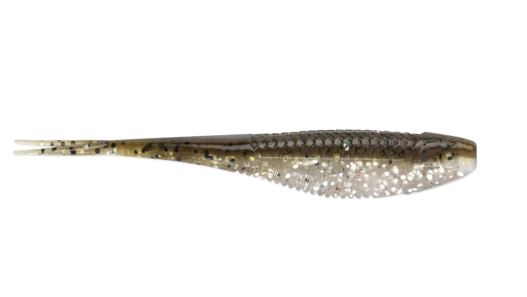
Drop shots, Ned rigs, Neko rigs, and tubes are staples. They let you fish vertically, precisely, and subtly. And today, they were the ticket. Whether using small 2.5” soft plastics or classic tubes, alternating baits helped us stay on the bite, adjusting as the fish’s preferences shifted.
Electronics: From Locating to Presentation
Modern electronics are integral to this method. Tools like side imaging, 2D sonar, and MEGA Live help identify not only the structure but the exact positioning of fish on that structure. In calm conditions, like we experienced, you can fish with laser-like accuracy.
As Jeff manned the bow and monitored MEGA Live, I tracked targets on side imaging. It was a constant relay of visuals, casts, and hooksets. We weren’t blindly casting—we were targeting individual fish in real time.
The Joy of the Game
This day wasn’t just productive—it was a showcase of how far smallmouth angling has come. From the gear to the techniques to the understanding of fish behavior, it all came together perfectly. And as Jeff reminded me, a fish caught on a sonar-confirmed mark with the right finesse rig is one of the most satisfying ways to fish.
Essential Gear and Techniques for Finesse Success
When it comes to smallmouth bass finesse fishing, selecting the right gear can make all the difference. On this trip, we showcased four of our favorite VMC finesse setups:
- Drop Shot with VMC Neko Hook – Rigged with a tungsten cylinder weight, this light-wire hook provides excellent hookups, and the tungsten allows for superior bottom sensitivity. It’s perfect for detecting subtle transitions and structure.
- VMC Tube Jig – Rigged internally within the tube, this setup is ideal for navigating zebra mussel-infested waters and rocky bottoms with minimal snagging.
- VMC Hybrid Swimbait Jig – Equipped with a spring keeper, this jig ensures your swimbaits stay intact and fish-ready through multiple catches.
- VMC Ned Rig Jig – Designed with a strong collar and hybrid gap hook, this rig is excellent for dragging presentations. The 90-degree line tie enhances sensitivity when slowly working along the bottom.
Each of these rigs excels in different conditions, and rotating through them based on the mood of the fish and structure below is key to consistent success.
Electronics: The Backbone of Precision Fishing
Success in modern smallmouth fishing begins with detailed recon using electronics. We employed a combination of mapping and side imaging to scan underwater structures. By making passes over reefs and humps, we were able to mark isolated boulders, key ledges, and transition zones from rock to sand. These markers allowed us to return and fish the exact high-percentage spots where smallmouth were holding.
Being able to identify the largest boulders or subtle edges where bottom composition shifts is vital. This level of precision turns average days into unforgettable ones. The ability to mark and return to these exact points is “worth its weight in gold.”
The Bite Is On
One of the best moments came when we hooked into a big fish positioned tight to a boulder—exactly where the electronics told us he’d be. The boulder wasn’t alone. Multiple fish were relating to it, a common behavior among summer smallmouths. These fish, one after another, came in strong and healthy. They weren’t just biting—they were charging.
Scent and Sight: The Power of the Somali Worm
One standout bait on this trip was the Somali Worm by Big Bite Baits. This small-profile drop shot bait is part of their Sensation line and features infused scent, which makes a big difference—especially for smallmouths. Though often considered sight feeders, smallmouths respond incredibly well to scented soft plastics, especially when they approach slowly and inspect a bait. That final trigger—scent—can be the deciding factor between a curious look and a full-on strike.
Rod and Reel Setups
Modern finesse techniques have inspired rod manufacturers to develop specialized gear. On this trip, we relied on:
- St. Croix Legend Tournament Swimbait Rod – Ideal for working swimbaits in deeper water.
- St. Croix Legend Tournament Power Finesse Rod – Perfect for drop shotting, offering sensitivity and backbone.
- St. Croix Victory Max Finesse Rod – Paired beautifully with tube presentations.
These rods provided the control, feel, and strength needed for consistent hooksets and confident battles with strong, surging smallmouths.
For reels, we used the Daiwa Ballistic MQ 3000, spooled with 10-pound Sufix 832 braid in high-visibility yellow. The larger spool helped with long casts and faster line management, particularly useful when re-dropping baits or fighting big fish from deep water.
Finesse Fishing Is the Future
As the day continued, fish after fish came to the boat, reinforcing the idea that finesse tactics, properly executed with the right gear and technology, consistently produce results. The real key? Do your homework. Your electronics, your gear, and your approach should work together to help you identify, approach, and catch big smallmouth bass.

