









A Visual Game: Spotting and Casting to Suspended Walleyes
Bug hatch walleyes can be extremely challenging to catch, however, as James Lindner has always claimed, sometimes you just have to make them bite.
Calm water, post-spawn walleyes, and the power of live sonar set the stage for an exhilarating day on the lake. With forward-facing sonar like Mega Live, entire schools of fish become visible, allowing anglers to target them with unmatched precision. But it’s not just about seeing fish—it’s about understanding their behavior. In this case, the walleyes were skittish, suspended near the tops of bars, just a few feet down, seeking warmer water in a crystal-clear lake.
These subtle conditions called for a light-handed approach. Traditional baits and fast retrieves simply wouldn’t do. Instead, finesse presentations took center stage—specifically, small bucktail hair jigs, often favored by smallmouth bass anglers, but surprisingly effective for shallow, spooky walleyes.
Hair Jigs: A Finesse Solution for Tough Bites
The jig of choice was a lightweight bucktail—a bait with roots in bass fishing, now finding high praise in the walleye world. In flat, sunny, post-spawn conditions, fish tend to be wary and often suspend higher in the water column. Under these scenarios, a small, slowly-swimming bucktail jig imitates natural prey like leeches or bugs. Rather than bouncing along the bottom, these jigs swim delicately just above structure, triggering bites from even the most finicky fish.
A new color variant from the VMC MTJ Moontail™ Jig line —a black and purple jig with gold highlights—proved especially productive. These subtle tweaks in color can sometimes be the difference-maker, especially during tough bites caused by seasonal bug hatches.
Matching the Hatch: Understanding Bug-Driven Behavior
One challenge that anglers often face in early summer are seasonal bug hatches. At this time of year, fish can gorge themselves on aquatic invertebrates to the point of being disinterested in artificial lures. But this is also can be when the secret weapon of hair jigs shine brightest.
Midges and other bugs emerge from the lake bottom in waves, creating a feast for walleyes. These hatches often make fish lethargic, but also more selective. To combat this, slowing your presentation with ultra-light tackle—like 1/16 to 1/32 oz hair jigs or a portion of a nightcrawler on a jig—can entice bites when nothing else works.
The Role of Forward-Facing Sonar
Forward-facing sonar has transformed the way anglers understand and target fish. With tools like Mega Live, you can not only see where the fish are but also how they respond to different presentations. When a fast-moving bait causes the fish to flee or ignore the offering, it’s time to dial it back—slow the speed, reduce the bait size, and let the fish come to you.
Observing real-time fish behavior helps fine-tune presentation to match conditions. In this case, suspended walleyes reacted favorably to slow, horizontal swims from hair jigs, particularly when anchored in place using shallow water anchors like talons. Identifying fish 60 to 80 feet out, locking into position, and fan casting across the structure proved to be a highly productive method.
Depth, Size, Speed: The Holy Trinity of Walleye Presentation
The success of any walleye presentation ultimately comes down to three variables: depth, size, and speed. Changing just one can mean the difference between success and a skunked day on the water.
In flat, calm conditions, a lighter jig slows the fall rate and keeps the bait in the strike zone longer. Dropping from an eighth-ounce to a sixteenth-ounce jig, for instance, slows the speed of retrieve and allows for a more lifelike movement through the water column. This is particularly critical when mimicking the gentle, fluttering motion of a midge or other emerging insect.
A Versatile Technique for Multiple Species
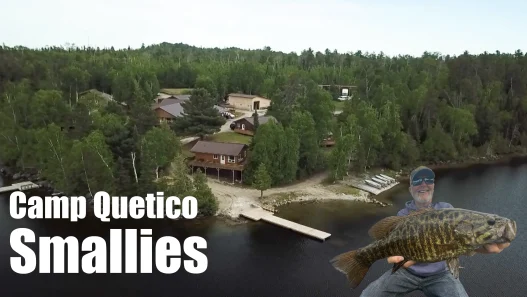
This same finesse tactic, while proven for walleyes, also excels with other species. Smallmouth bass, in particular, respond enthusiastically to these small bucktail jigs. Countless trophy-class smallmouths—five to seven pounds and up—have fallen for this exact setup. The technique is as simple as it is effective: cast it out, swim it slowly, and let the bait do the work.
Final Thoughts on Presentation: Stay Just Above
No matter the depth—whether you’re fishing in shallow six-foot rock piles or deeper structures—the key to success with hair jigs remains the same: present your bait slightly above the fish. Combine that with a slow and steady retrieve, and you’ll draw strikes. This slight elevation triggers aggressive responses from walleyes, bass, and other gamefish.
As shown in action, when that retrieve and positioning are dialed in, fish after fish comes to the boat.
Casting Tiny Jigs: Gear is Everything
One of the biggest challenges when using micro jigs like 1/16- or 1/32-ounce models is getting them far enough away from the boat. That’s where your rod, reel, and line choices make a major difference.
The rod used here is a St. Croix hair jig-specific rod, designed for bass but perfectly suited for casting ultra-light baits. It’s a medium-light power with an extra-fast action, allowing for maximum bend into the blank—almost two-thirds of the way down—which gives you better casting distance and shock absorption for battling big fish.
In shallow water especially, where walleyes often hold far from the boat, this setup is crucial. Fish can be 100 feet away and easily spooked—getting that bait out there stealthily is what seals the deal.
Long Casting and Light Line: The Perfect Match
The spinning reel choice is also deliberate—a Daiwa Fuego LP in 3000 size—providing added line capacity and casting distance. While smaller reels work, the added size enhances performance when you need that extra reach.
Spooling with Sufix 832 10-pound braid and pairing it with an 8-lb fluorocarbon leader is a standard setup. But in extremely clear water, especially in the Great Lakes, that leader might be extended to 15 feet and dropped to 6-lb test. Longer, lighter leaders minimize visibility and increase hookup rates on pressured or finicky fish.
The Fun Factor: Pure Fishing Enjoyment
Throughout the session, it’s clear: these aren’t the biggest walleyes you’ll ever catch—but they are solid, high-quality fish. The mid-sized walleyes from Minnesota, Wisconsin, South Dakota, and Michigan offer fast action and serious fun. And in the Great Lakes, you’ll often encounter even larger specimens.
Hair jigging brings a new dimension to artificial bait fishing for walleyes. It’s a finesse tactic that rewards precision and patience but doesn’t require live bait, making it both efficient and exciting.
The Comeback of Hair Jigs
After fading out during the soft plastics boom, hair jigs are surging back into the spotlight. Anglers across the country are rediscovering the effectiveness of this classic presentation. From fine-tuned designs to specialized gear, the art of hair jigging is being elevated—and refined.
It’s particularly effective for walleyes and smallmouth bass, with presentations dialed in by region and angler preference. The result? A proven technique with new-school refinements, delivering outstanding results.
Why Hair Jigs Work So Well
The fish prove the point: hair jigs catch. Even in today’s high-tech angling world, their simplicity, subtle movement, and natural appearance give them an edge.
As one fish spits up a perch mid-fight, it’s clear—these jigs mimic natural forage in ways soft plastics often can’t. And the longer action rods help manage that fight to the net with grace and power.

The Revival is Real
Hair jigging has not just made a comeback—it’s becoming a cornerstone technique for multi-species anglers across the Midwest and beyond. With the right setup, smart presentation, and a little patience, you’ll unlock the potential of this timeless lure.
And as this session proved again and again — it never gets old. Whether it’s your tenth fish or your hundredth, the thrill of watching that rod load up on a long cast with a tiny jig is unbeatable.
Welcome back, hair jig. We missed you.

