







Chasing Post-Spawn Crappies: A Weedline Tactic Breakdown
Crappie fishing is as much a game of timing and location as it is of presentation and patience. In this in-depth breakdown, Al and Dan Lindner take us into the heart of the post-spawn period—a prime window for intercepting big crappies as they transition from shallow spawning bays to deeper weedline structures. With evolving weed growth and seasonal delays, adapting your strategy is crucial. Here’s what they discovered during a productive day on the water.
Understanding Crappie Migration Patterns
Crappies are notorious for moving with the seasons. During spring, they can be found in water as shallow as 1 to 4 feet, particularly in back bays. As summer settles in, they shift to weed-covered points in 8 to 15 feet of water. Come fall and winter, you’ll find them suspended over deep basin areas, often between 25 and 30 feet. The key to staying on fish is moving with them—and electronics make that job easier by identifying the large packs of crappies that tend to group together.
On this particular outing, Al and Dan targeted post-spawn crappies—those that had just wrapped up their spawning duties and were moving out to the first main lake structure.
First Cast Magic: Let the Fun Begin
With Smooth Moves seat suspensions making the ride comfortable and reliable, it didn’t take long for Al and Dan to start connecting with crappies—big ones. Within minutes, they were netting fish that would make any angler’s day.
As Al noted, it was one of those peak seasonal windows when fish are highly catchable. He had done a bit of pre-scouting and warned Dan to wear his “big boy boots,” and for good reason—these crappies were pushing into the upper-size range for the Upper Midwest, many reaching 14 inches or more.
Sparse Weeds and Seasonal Delays
Due to a late spring, the weed beds weren’t as developed as they typically would be. This changed the playbook a bit. They were casting into six feet and holding in eight to nine, with a sweet spot around seven feet. However, the weeds were still sparse, which created scattered clumps—prime ambush spots for post-spawn crappies.
Dan and Al fished using two different presentations: Al with a float rig and Dan swimming a jig. This two-pronged approach helped them quickly figure out what the fish preferred on that particular day.
The Countdown Method
When swimming a jig, Dan emphasized the importance of the countdown method. By counting down—“one-thousand, two-thousand, three-thousand…”—he could pinpoint the depth at which fish were striking. Once he found the right count (in this case, four), he repeated it for consistent success. As he put it: rinse and repeat.
Many of the crappies they caught were ideal eating size, though they boated several 14-inch-plus slabs—what they called “magnums.” The key was targeting the first fish to move out after spawning. These big fish don’t waste time; they spawn and then drop right back to the first structure available—usually a weedline.
Sparse Clumps and Electronics: A Powerful Combo
At this point in the season, with weeds still sparse and scattered, side imaging proved invaluable. Al and Dan used their Humminbird units to scan wide sections of water, identifying clumps of weeds where fish would likely hold. This allowed them to be efficient—rather than casting blindly, they could pinpoint high-probability areas.
Each angler worked both a float and a swim jig setup. The float was ideal for suspending the bait just above the weeds, while the swim jig allowed them to cover more depth range. Sometimes the float got more hits; other times the swim jig did. Mixing things up was key to cracking the code.
Strategic Variability and Teamwork
One core principle that Al and Dan emphasize is tactical diversity. Rarely do they both fish the same bait or at the same depth. One guy fishes a float, the other swims a jig. One starts shallow, the other deeper. This experimental approach consistently uncovers patterns quicker than if both were fishing identically.
And it paid off again. After switching from the jig to the float, Dan hit the “sweet spot” and immediately got back on fish.
The Right Gear: Light Line and Effective Jigs
When it comes to panfish, lighter is better. Al and Dan fish with 4-pound test fluorocarbon leaders tied to either mono or nano braid. This lighter setup increases sensitivity and bite detection, especially in clear water or sparse vegetation.
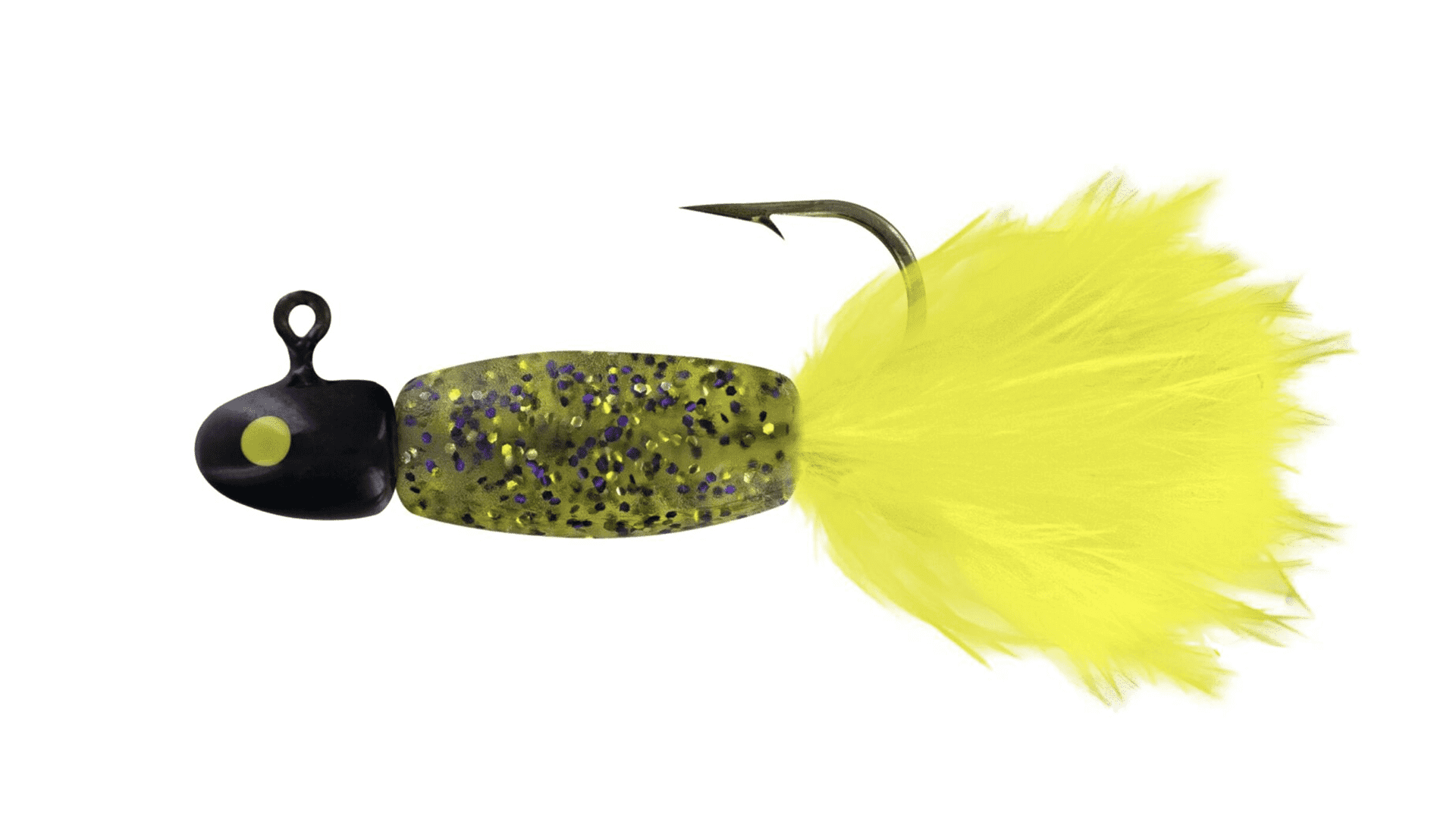
Al gave special mention to a custom-designed jig developed with Big Bite Baits—appropriately named the Lindner’s Panfish Jig. Featuring a marabou tail, round head, and upright line tie, it’s versatile for both vertical jigging and casting. It’s small, subtle, and effective—exactly what pressured or post-spawn crappies respond to best.
Line Maintenance and Presentation
Another small but crucial detail: always ensure your jig hangs horizontally. If the knot slides and angles the jig head downward or to the side, your hookup ratio can drop dramatically. A properly balanced jig presentation equals more bites.
Fine-Tuning Presentations for Maximum Results
Al switched to a darker-colored jig and tied it onto a different rod, a St. Croix Avid Panfish Rod, a well-balanced tool designed specifically for finesse applications. St. Croix’s panfish lineup offers everything from budget-conscious options to premium rods like the Avid, catering to anglers who want refined sensitivity without sacrificing durability.
Each rod was paired with a Daiwa 1000-size spinning reel, which Al emphasized as ideal for managing light fluorocarbon lines. These smaller reels are purpose-built for light presentations and offer a smooth drag system crucial when dealing with slab crappies that often hit hard and run aggressively.
Dan, meanwhile, continued to target isolated weed clumps and subtle structure transitions, sometimes casting to pinpoint locations he had memorized earlier in the outing. The fish were often grouped up tight—typical for summer crappies—and the duo capitalized on every strike window.
The Value of Spot-Lock and Modern Electronics
As the day progressed, boat control became critical. Using Minn Kota’s Spot-Lock technology, Al could precisely hold the boat in position—often over a small weed bed or a submerged transition zone—allowing both anglers to pick apart the structure without drifting off target.
“Spot-Lock is vital,” Al noted. “Especially for panfish in structure-heavy or weedline environments, it keeps your bait where the fish are instead of where the wind wants to take you.”
These tools, paired with side-imaging sonar, helped them visually locate clumps of vegetation and structure breaks where crappies were holed up. This synergy of technology and fishing intuition allowed for efficient, strategic casts and better catch rates throughout the session.
Postspawn Crappie Tactics Video: Watch Al and Dan Lindner target big crappies during the post-spawn period using a new killer panfish jig from Big Bite Baits.
Learning the Post-Spawn Crappie Bite: Advice, Strategies, and Timing
Knowing the yearly movement of Crappies, anglers find both an interesting hobby and a difficulty in locating and catching them. These panfish occupy somewhat varied areas over the year. Usually in water barely 1 to 4 feet deep, they gather in shallow back bays in the spring. They move to main lake weed spots, usually found at depths of 8 to 15 feet, as summer arrives. Crappies head for deeper basin areas, holding at depths of 25 to 30 feet, by fall and into winter.
Moving with crappies, tracking their seasonal trends, and using dependable gadgets can help you to regularly catch them. These fish are more easily found using sonar technology since they generally migrate in big packs. Al and Dan Linder concentrate on finding and capturing post-spawn crappies—a prime time in central Minnesota’s fishing calendar—on this Angling Edge episode.
Day on the Water: More Smiles and Big Crappies
Al and Dan hook into some amazing fish to start the show with thrills. Al yells, “These are giants,” when the net comes out early to land a chunky crappie. Every fish seems to exude vitality and excitement. Al says he searched the day before and came onto a pod of large fish, providing a confident head start.
Dan gets a rare chance to pursue his preferred species since he strikes a mix between job, family, and limited fishing time. Al says, “Crappies are your favorite fish; just like it is for many of you.” They are fishing a magic depth about 7 feet, chucking jigs into 6 feet and holding in roughly 8 or 9 feet of water, with the timing just perfect despite a late spring that slowed weed development.
Weeds’ Magical Power and the Countdown Method
Early season crappie site depends heavily on weeds. The season running approximately three weeks behind usual causes the weed beds to not be fully grown, which makes the current sparse weed clumps quite effective. Al and Dan swim a jig and Al with a float to find out which presentation the fish like. Alternating between methods, this form of experimental fishing shows great help in tuning in what the crappies seek on any given day.
When swimming a jig, Dan uses the “countdown method,” casting and counting down (e.g., “1-1000, 2-1000…”). Then he retrieves. A crappie striking at a count of four will repeat that count to match the presentation. When aiming for crappies at precise depths amid the weeds, this approach increases consistency and efficiency.
Aiming for Summer Peak Big Crappies
A 14- to 15-inch crappie is a trophy in the Upper Midwest; this time of year presents a perfect window to find them. As Al notes, these bigger fish frequently start to spawn first and go back out first as well. The late season causes a shortened post-spawn schedule, hence these large fish waste no time—they return to weed lines where fisherman can target them.
Crappies follow emerging weed beds along the initial drop-off. That drop-off could be as short as 4 feet in dark water or as deep as 10-12 feet in crystal-clear lakes depending on the water clarity and type of lake. Crappies are more accessible at this time, with few weeds and less vegetation to cover, hence providing a little but amazing window for anglers.
Maximizing Presentation Diversity and Electronics
Finding sparse weed clusters across large distances of breakline depends critically on side imaging sonar. Anglers can concentrate their casts and presentations instead of blind fishing over these clusters. Al and Dan find weed patches and decide where crappies are holding using their Humminbird side imaging.
Running a float arrangement with a swim jig lets them cover several depths at once. Anglers who fished the same setup at the same depth could overlook what the crappies are really responding to that day. Al’s float often picks off fish at shallower or suspended depths; Dan’s swim jig ticks the tops of deeper weeds, exposing the daily choice of the fish.
Lures, Line, and Light Tackle Techniques
Al presents a custom-designed panfish jig created in association with Big Bite Baits—the Linder’s Panfish Jig—during the presentation. Fished both vertically and horizontally, this small marabou-tailed bait has a rounded head and horizontal tie point. Perfect for crappies and panfish, the light design has shown great production.
Still another important factor is line choice. Al and Dan use straight mono with a fluorocarbon leader or use 4-pound Sufix fluorocarbon leaders with nano braid backing. Here the main lesson is to avoid going too heavy. Many crappie fisherman confuse using too heavy line and baits for Results are significantly better from light lines, little jigs, and subdued presentations.
Al and Dan stress flexibility all through the program. Al explains, “You always let the fish tell you what they are doing.” There are no two fishermen in the boat fish using the same bait or depth; this constant testing exposes trends. The swim jig sometimes beats the float and other times the reverse. Both ways, the combined strategy reveals more possibilities.
To show how rapidly conditions and fish preferences may vary, Dan even turns back to a float to grab fish that weren’t reacting to the jig.
Indeed! Based on the last segment of the transcript, this is the last part of the thorough, comprehensive, and professional blog article, picking where we left off. English’s headers and paragraph structure in the blog post help to reflect the tone and style of a professional fishing show summary.
Crappie Catching Excellence: A Day
The activity on the river gathered once more as the day went on. The crew hooked into several excellent crappies with a consistent trolling pass until things calmed down somewhat. Al quickly called to give the location another try, changing lures and colors—and the results were really clear-cut. Fish hitting the instant floats vanished under the surface brought the biting alive once more.
One of the secrets to success was experimenting with presentations and colors. Al changed to use a darker lure, and it set off instant action. Especially important was using premium equipment. Al highlighted his Avid Panfish Rod from St. Croix, a recently revised design with excellent performance at a fair price. Combined with Daiwa size 1000 reels, the arrangement proved ideal for exact line management and dependable drag performance—qualities absolutely vital for handling hard-fighting crappies.
Tools That Change Everything
Al and Dan ran a range of rods and reels all geared for panfishing over the day. It became very evident why you should match your rod and reel to the species and conditions. From drag-smooth reels to line-sensitive rods, every element enhanced success.
Especially when bigger fish that battled like bass arrived at the boat, “Get the net!” became a familiar chant. Al underlined the benefit of a 1000-size reel, stressing how it improves line management for smaller baits and delicate strikes—a need for crappie fishing.
Spot-lock precision and a seasonal approach
Part of their trolling motor system, Spot-Lock is another important device that kept them on fish. Consistent casting angles and lure presentations were made possible by this ability to hold the boat exactly over fruitful water. Al could not adequately describe how Spot-Lock has transformed panfishing, particularly in open-water or windy conditions.
Success in crappie fishing, Al said, depends on knowing seasonal fluctuations and fish behavior in relation to habitat. Knowing where the fish are likely to hang—be it structure, weed edges, or shoreline transitions—allows you to routinely return to areas of great productivity all year long.
Lindner Panfish Special
This Big Bite Baits 3/32oz panfish jig was designed with Al Lindner and the Angling Edge team. It is ready to fish out of the package with a solid body and feather tail that moves with the slightest rod twitch.