








Power fishing largemouth bass is a popular technique all across North America. It involves using aggressive, fast-moving lures to cover a lot of water and trigger a reaction strike from the fish. In this article, we will explore the different types of baits and equipment used for power fishing, as well as some tips and techniques to help you catch more bass.
Equipment for Power Fishing Largemouth
When it comes to power fishing, having the right equipment is crucial. Most power fishing techniques require baitcasting equipment, although spinning equipment can also be used in some cases. A 6 foot 10 medium extra fast action baitcasting rod is a versatile choice that can handle a variety of power fishing baits, such as rattle baits, spinnerbaits, and jerkbaits. Pairing this rod with a high-quality baitcasting reel, like the Zillion SB, can provide you with a smooth and backlash-free casting experience.
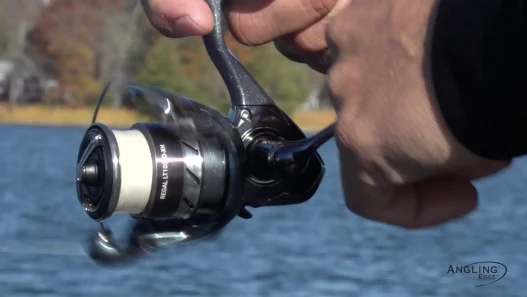
If you’re looking for a more budget-friendly option, a 6 foot 8 medium extra fast action spinning rod, such as the Avid X, paired with a reliable spinning reel like the Revros, can also be a great choice for power fishing. 
Types of Baits for Power Fishing
Power fishing baits can be divided into three main categories: hard baits, flash and vibration baits, and swimbaits.
- Hard Baits: Hard baits like jerkbaits, lipless crankbaits, and square bills are popular choices for power fishing. These baits are designed to imitate injured or fleeing baitfish, and their erratic action can trigger aggressive strikes from bass.
- Flash and Vibration Baits: Flash and vibration baits, such as spinnerbaits and vibrating jigs, are effective for power fishing. These baits create a lot of commotion in the water, attracting bass and triggering their predatory instincts.
- Swimbaits: Soft swimbaits are another popular choice for power fishing. These baits come in a variety of shapes and sizes and can be rigged on different types of heads to create different actions. They are often used to imitate baitfish and can be fished at various depths.
Tips and Techniques for Power Fishing
- Adjust Your Rod Angle: When fishing with lipless crankbaits or other deep-diving baits, adjusting your rod angle can help you reach different depths. Keeping your rod tip high will allow you to fish in shallow water, while lowering your rod tip will help you fish deeper.
- Vary Your Retrieval Speed: Experimenting with your retrieval speed can often entice more bites. Sometimes, slowing down or pausing your retrieve can trigger a reaction strike from bass, especially in colder water.
- Change the Cadence: Adding subtle changes to the cadence of your retrieve can also be effective. For example, with a swim jig or soft swimbait, occasionally increasing or decreasing your retrieval speed can mimic the movement of a wounded or fleeing baitfish, which can trigger a strike from bass.
- Pay Attention to the Fish: Let the fish tell you what they want. If you notice that they are following your bait but not biting, try pausing or dropping the bait to entice a strike. Sometimes, a slight change in speed or cadence can make all the difference.
- Utilize Technology: Take advantage of the advancements in electronics technology to find fish more efficiently. Tools like fish finders with side imaging and 360-degree transducers can help you locate fish-holding structures and pinpoint where to cast.

