








River Smallmouth Bonanza: Mastering High-Water Fishing for Big Results
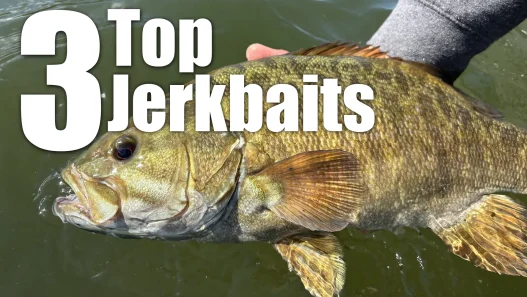
What began as a planned frog-fishing mission for largemouth bass quickly turned into a smallmouth bonanza. When the frog bite proved slow, the crew pivoted, turning their attention to smallmouth bass. Thanks to extremely high water levels, the smallmouth had pushed far up into side creeks seeking clear water. As the water began to drop, those fish moved back downstream, and the team found themselves in the middle of a perfect migration window—hundreds of smallmouth were congregating in the clearer tributaries of a major river.
The Importance of Water Clarity and Fish Movement
As the team explained, high water and muddy conditions may scare off many anglers, but it’s all about knowing where to look. The main river was chocolate milk, but the key was identifying feeder streams with clearer water. These smaller rivers acted like magnets for fish of all species—smallmouth bass, catfish, walleyes, muskies—anything looking for visibility and comfort.
The transition from muddy to clear water was stark, sometimes just a few feet apart. As they entered a cleaner tributary, everything changed. Sight-feeding species like smallmouth bass flock to these conditions, and once found, the action can be fast and furious.
Targeting River Smallmouth: Gear and Strategy
The crew dialed in their tactics perfectly, using light topwater presentations to draw explosive strikes. Smallmouth bass, as mentioned repeatedly, are visual predators. In dirty water, their effectiveness diminishes, but in clear water with a bit of sun, their aggression peaks.
They emphasized that smallmouth love:
- Clear water
- Sunlight
- Midday feeding windows
- Topwater baits, especially the frog-colored Skitter Prop
The Skitter Prop, with its constant spinning blade—even when the bait is paused—proved deadly. This subtle action mimics prey drifting naturally with the current, triggering bites even when the lure isn’t being actively retrieved.
The Right Tools for the Job
Handling smallmouth in current can be tough, especially when they inhale baits deep. A specialized hook-out tool allowed the team to safely and efficiently release fish. They fished with 14-pound monofilament, which floats—perfect for keeping topwater lures high on the surface. The Tatula SV 8.1:1 gear ratio reel offered quick line pickup, and the drag was intentionally set soft to absorb the power of aggressive strikes without tearing hooks loose.
As the afternoon progressed, the size of the fish steadily increased. The crew noted that larger smallmouth often turn on later in the day, especially on hot, humid afternoons with bright sunshine.
Why Smallmouth Rule the River
There’s a reason smallmouth bass are a favorite among river anglers. They’re aggressive, acrobatic, and powerful fighters. Their preference for clear water and midday action means anglers can fish for them in broad daylight—an advantage over species that bite best during low-light conditions.
In this session, every element of the river system—the water clarity, current seams, cover, and time of day—aligned perfectly. By staying mobile and adaptive, and by understanding how river fish respond to changing water levels, the team turned a slow morning into a spectacular afternoon of fishing.
Anchored in the Action: Techniques, Tools, and a Few Fiascos
As the afternoon progressed, the crew continued to lean into proven strategies that maximized both efficiency and fun. One of the keys to their success was boat positioning, specifically using Minn Kota Talon shallow water anchors. In a river system where current can be unpredictable and strong, the ability to instantly pin the boat behind a logjam or at a current seam meant less time fighting the water and more time fishing. These anchors proved invaluable not only for smallmouth bass, but also for targeting walleyes, muskies, and even catfish in river scenarios.
Adjusting Tactics as Water Levels Change
Understanding how fish relate to changing water levels is critical. As the water dropped, fish pulled off the bank and into slightly deeper areas. The team adjusted accordingly—drifting a tube jig away from the shoreline and into these deeper seams just off the current breaks. The presentation wasn’t complicated: a light tube bait swept in front of log jams with a finesse-style St. Croix rod and spinning gear proved deadly.
Even with minimal gear—since the original plan was largemouth frog fishing—the team was well equipped thanks to a boat loaded with options. Between topwater prop baits, spinnerbaits for heavy wood cover, crankbaits like the Rapala Rocco for rock flats, and soft plastics for subtle presentations, they adapted to every condition the river threw at them.
A River Monster and a Double-Up Mayhem
The excitement peaked when one of the anglers hooked into what would become the biggest smallmouth of the day. It was a true river brute—broad, powerful, and smart in the current. What followed was a mix of thrill and chaos: double hook-ups, tangled nets, and a scramble to land fish without losing others.
Despite the tangled lines and makeshift landing efforts, the moment highlighted what river fishing is really about—opportunistic fish, explosive strikes, and a whole lot of fun when the bite turns on.
The Right Tools, Legendary Baits, and Proven Equipment
The segment also reinforced the importance of the right gear. Whether it was the St. Croix Legend Tournament and Elite rods, Daiwa Zillion and Tatula SV reels, or trusted lures like the #8 Shad Rap, every tool had a purpose and a moment to shine.
Boat control, particularly in shallow rivers, remained vital. Whether through manual positioning or shallow anchors, staying in the strike zone was everything.
How To Read Water Conditions?
Being able to read river conditions is critical to finding river smallmouth bass. As water levels drop and the water starts to clear, anglers like Al and James Lindner adjust their strategies to track down these acrobatic fighters.
Understanding water conditions and knowing where to find smallmouth bass can greatly increase your chances of success. Let’s dive into the key factors to consider when reading water conditions for smallmouth bass.
Finding the Slack Water Areas
One effective strategy for targeting smallmouth bass in rivers is to locate slack water areas. These are spots where the current is less intense, often found behind log jams or other obstructions.
Fish tend to gather in these areas, taking advantage of the calmer conditions. As mentioned in the transcript, the fish will often be sitting right where the deepest current meets the slack current.
Using Topwater Baits
Topwater baits can be highly effective when targeting smallmouth bass in rivers. The angler mentions using a frog-colored prop bait and a Skidder prop bait. These lures mimic the movement of prey on the water’s surface, attracting the attention of smallmouth bass.
Using monofilament line is important as it allows the bait to float on the surface, keeping it in the strike zone and increasing the chances of enticing a bite.
The Afternoon Bite
The afternoon bite for smallmouth bass in rivers can be particularly productive. Smallmouth bass tend to be more active during hot, humid afternoons.
The combination of sunshine and humidity seems to trigger their feeding behavior. Therefore, plan your fishing trips accordingly and focus on the afternoon hours for the best chances of success.
Adjusting Drag and Hook Sets
When targeting smallmouth bass in rivers, it is important to adjust your drag settings and hook sets accordingly. The angler mentions setting the drag relatively soft to accommodate the fish’s powerful pulls.
This allows the fish to take the bait and gives you a better chance of successfully hooking them. Additionally, he advises not to set the hook too hard when the fish turns on the bait. Instead, a gentle lift of the rod is sufficient to secure the hook.
Using Shallow Water Anchoring Systems
Controlling your boat’s position is crucial in river fishing situations. The angler recommends using shallow water anchoring systems, such as Talons, to hold your position in the current.
These systems allow you to anchor your boat in shallow water and prevent it from drifting. This is particularly useful when fishing in shallow feeder rivers or near current breaks and cover where smallmouth bass are likely to be found.
Variety of Baits
Having a variety of baits on the boat deck is essential because smallmouth bass can be found in different habitats within the river system. The angler mentions having a Terminator frog, a Rapala Rocco crankbait, a prop bait, a swimbait, and a spinnerbait. These baits cover a range of depths and can be used in different types of cover and structure. It’s important to experiment with different baits to see what the fish are responding to on any given day.
The Importance of Boat Control
Maintaining control of your boat is crucial when targeting smallmouth bass in rivers. The angler emphasizes the importance of being able to see in the water and adjust your position accordingly. This allows you to position yourself in the most productive areas and present your bait effectively. Using a shallow water anchoring system, like Talons, can greatly assist in boat control and help you stay in the strike zone.
Adding a Personal Touch
Fishing for smallmouth bass in rivers is not just about technique; it’s also about the experience. The angler’s passion for fishing is evident in his commentary, adding to the overall enjoyment of the experience. Sharing personal stories and tips can make your blog more relatable and engaging for readers. For instance, recounting a memorable catch or a challenging day on the water can provide valuable insights and connect with your audience on a personal level.
Conclusion
Smallmouth bass are known for their acrobatic jumps and strong pulls, making them a favorite among anglers. Targeting smallmouth bass in rivers requires careful consideration of water conditions and strategic bait selection. Finding slack water areas, using topwater baits, adjusting drag and hook sets, and maintaining boat control are all key factors in increasing your chances of success. So, grab your gear, read the water, and get ready for an exciting fishing adventure. Happy fishing!

