









Springtime Multi-Species Action in the Dakotas: Decoding the Pre-Spawn Bite
A Trip Where “Whatever’s Biting” Is the Goal
South Dakota Bass Fishing: Sun, moderate wind, and rising water temps—that is the perfect recipe for a pre-spawn feeding frenzy on the prairie reservoirs of South and North Dakota. With largemouth and smallmouth bass, white bass, walleyes, pike, and more all sharing the same warming shallows, our mission was simple: chase anything willing to eat and show how we break down unfamiliar water to stay on the hottest bite.
Launching in a protected 2,500-acre bay, we immediately started marking everything from bronze-backed smallies to silver streaks of white bass. A lipless crank sailed out, and within seconds the rod loaded—first a white bass, then a smallmouth, and soon a chunky walleye. When these fish move shallow in spring, they often mingle, turning every cast into a new surprise.
The Spring Spawning Timeline—and Why It Matters
| Order | Species | Key Temperature/Timing |
|---|---|---|
| 1 | Northern Pike | Spawn first, often under late ice |
| 2 | Walleye | Move up immediately after pike |
| 3 | White Bass | Stage once water stabilizes in mid‑40 °F |
| 4 | Largemouth & Smallmouth | Slide shallow as temps crest 50 °F |
Understanding this progression is critical: before committing to nests, every species pauses in the same warming zones—the four‑ to seven‑foot flats inside protected bays. Find that temperature edge and you’ll find a mixed bag of predators that haven’t seen lures in months.
Reading Protected Bays: Temperature Is Everything
Even inside a single cove we logged 3–4 °F differences just by drifting from the sheltered shoreline to the wind‑blown corner where warm surface water piled up. The rule is simple:
Warm pockets = food + fish.
Instead of hugging the bank, we kept the boat over the mid‑bay flats, fan‑casting in four to seven feet. Early‑season fish are still hesitant to push tight to shore; they stage in the middle where the first weeds, scattered rock knobs, and rising temps converge.
Horizontal Presentations: Cover Water, Trigger Strikes
Cold‑water predators respond best to lures that track horizontally—letting you fish fast and locate loose schools.
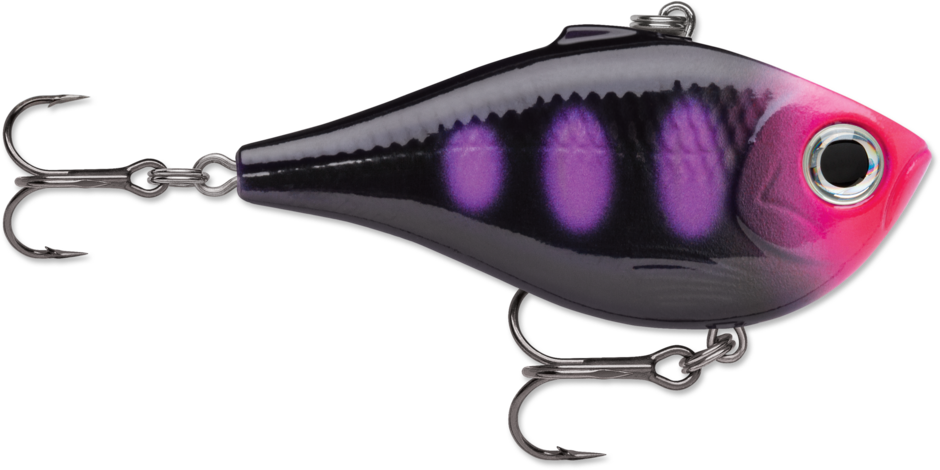
- Lipless Crankbait – Rapala Rip’n Rap or Storm Rockin’ Shad send out high‑pitched rattles that call fish from afar and hook them solidly.
- Spinnerbait – The Terminator T1 remains a no‑brainer for spring largemouths and smallmouths, yet white bass and even walleyes will swipe at its flashing blades.
- Swim Jig – Pair a Terminator swim jig with a Big Bite Curly‑ or Boot‑Tail for a subtle thump that rides mid‑column.
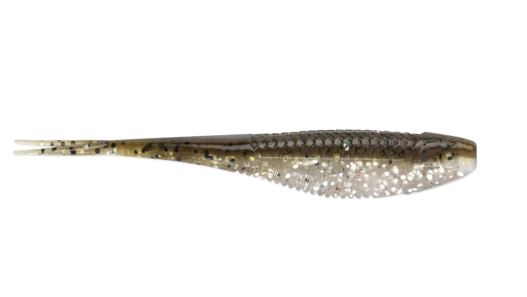
- Darter Head + Cane Thumper – An ⅛‑oz VMC jig and paddletail shines when fish want a slimmer profile but the same straight‑line retrieve.
These baits all share two advantages:
- Speed: They keep you moving until you intersect active fish.
- Consistency: By staying off bottom, they maintain a steady depth—ideal for the 4–7 ft zone where mixed species roam.
Drift Strategy: Let the Wind Work for You
The prairie breeze is rarely shy, so we turned it into an ally. After each productive drift we marked a waypoint, idled back up‑wind, then slid over one full cast‑length before drifting again. This systematic grid ensured fresh water on every pass.
A quality thermometer probe gets just as much use as the sonar. Whenever the screen flashed a degree warmer, the next cast usually met aggressive resistance—white bass hammering in packs (“mine‑mine‑mine!”), curious smallmouths, and swipe‑happy largies suspended mid‑column.
Jerkbaits: The Cold‑Water Ace
When the lipless bite slowed, we swapped to suspending jerkbaits—specifically the Rapala X‑Rap (neutral) and Shadow Rap (slow‑sink). Their erratic twitch‑pause cadence fooled the first smallmouth of the day and quickly added more bronzebacks to the multi‑species tally. Jerkbaits excel whenever water temps sit in the low‑ to mid‑50s and fish favor a wounded‑minnow look over a steady vibration.
Tuning Cadence for More Bites
Slowing the retrieve by just a heartbeat often turned light “ticks” into solid hookups. The lesson: match speed to fish mood. In brisk wind we let the waves impart extra slack‑line twitch, then allowed the bait to hover—deadly on hesitant bass.
Boat Control: Pinpointing the Bite
A shallow‑water anchor (we leaned on a Minn Kota Talon) proved priceless. Each time we contacted a school we “pinned” the boat, made ten more casts without drifting, then hopped forward another ten feet to stay tight to the pod. This efficiency turned a good flurry into a marathon of doubles on white bass and smallmouth.
Gear Spotlight: Lipless‑Crank Combos
- Reel: Lew’s Tour MG, a feather‑weight magnesium frame that eases wrist fatigue during all‑day casting.
- Line: 12‑lb Sufix Siege monofilament. The extra stretch cushions small trebles and keeps jumping smallmouths pinned, while the added diameter shrugs off toothy pike encounters and reduces the need for constant re‑tying.
The heavier mono may seem “old school,” but in cold clear water the fish showed zero line shyness—and we landed more fish per hour thanks to fewer break‑offs.
Spinnerbait Savvy: Terminator Titanium Durability
When largemouths finally showed, they inhaled a Terminator PowerPulse spinnerbait. Its titanium frame snaps back after countless fish and bent‑wire clear‑outs—a workhorse ideal for sandbar slugfests where traditional stainless frames fatigue quickly.
Spinnerbait Tips:
- Blades: Gold willow/silver Colorado pairing added flash yet remained stable in gusty wind.
- Skirt: Stock PowerPulse silicone pulsed on slow rolls but flared wide during aggressive burns—one bait, two looks.
- Maintenance: Replace skirts or blades as needed; the titanium arm itself lasts seasons.
Putting the Pattern Together
By varying lure style (lipless crank, jerkbait, spinnerbait), adjusting retrieve speed, and locking down atop each roaming pack, we built a rhythm that produced fish after fish—white bass doubles, chunky smallmouth, surprise walleyes, and spinnerbait‑fed largies. The common threads were horizontal movement, temperature edges, and systematic boat control.
Putting the Pattern Together
By varying lure style (lipless crank, jerkbait, spinnerbait), adjusting retrieve speed, and locking down atop each roaming pack, we built a rhythm that produced fish after fish—white bass doubles, chunky smallmouth, surprise walleyes, and spinnerbait‑fed largies. The common threads were horizontal movement, temperature edges, and systematic boat control.
Bonus for the Frying Pan
While our focus was catch‑and‑release, these prairie reservoirs can handle a modest harvest—and a crispy walleye fillet is hard to beat after a long day in the wind. We kept a couple of perfect “eaters” (15–17 inches), bled and iced them immediately, and broke out shore‑lunch fixings back at camp. Responsible harvest keeps populations healthy while letting you taste the fruits of a multi‑species day done right.

