




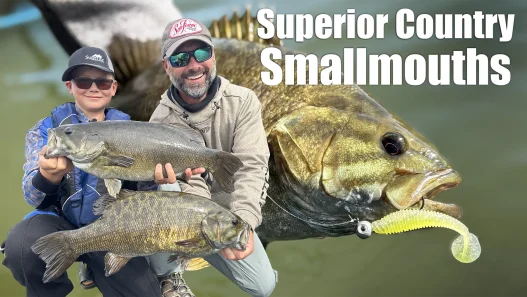






Swing jig fishing for largemouth can attract and trigger more strikes in the right conditions.
Mastering the Art of Jig Fishing for Largemouth Bass
Jig fishing remains one of the most versatile and effective techniques in a bass angler’s toolkit. Whether you’re working deep rocks or thick vegetation, choosing the right jig and retrieve can make all the difference. In this outing, we join two seasoned anglers—one of whom is Troy, the narrator’s cousin—as they explore jig fishing strategies for targeting largemouth bass.
The Undeniable Power of the Jig
From recreational weekend trips to high-level bass tournaments, jigs are a mainstay in the bass fishing world. Their adaptability to different environments is unmatched. During this session, the anglers put that versatility to the test with impressive early success.
“Oh, there’s one. That’s a big one… Come here, buddy.”
Right from the first cast, the action begins, showcasing the jig’s ability to tempt even the more reluctant bass. The early hookup is a reminder of why jigs continue to earn their place in bass anglers’ arsenals.
Matching Jig Designs to the Environment
Jigs come in a broad variety of shapes and styles, each tailored to specific conditions:
- Football head or roller jigs are ideal for rocky structures, providing stability and less snagging when bounced along uneven bottoms.
- Pointed-nose jigs are designed for penetrating heavy weed cover, allowing anglers to fish cleanly through vegetation without getting hung up.
During this trip, the focus turns to a more innovative tool gaining popularity: the articulating jig.
The Articulating Jig: A New School of Thought
The VMC articulating jig, featured prominently in this outing, offers a distinct advantage in action and presentation. Unlike traditional jigs that maintain a rigid profile, articulating jigs allow for enhanced movement, giving soft plastics or trailers more lifelike action in the water.
“It’s been used by a lot of bass anglers lately, and you fish it differently than a lot of other jig fishing styles.”
This jig’s design lends itself to a retrieve pattern that’s somewhere between a crawl and a crankbait—what the anglers refer to as a “moderate retrieve.”
Dialing in the Retrieve
The retrieve is critical to the success of this technique. Instead of the standard hop-and-drop or drag methods typically associated with jig fishing, the anglers adopt a steady, moderate crank similar to how one might fish a crankbait.
“Crank it nice and slow… or moderate. This really isn’t slow.”
This approach triggers strikes during the retrieve itself, rather than solely on the fall or bottom contact. In this session, it pays off immediately. One fish bites right at the end of a long cast, another falls for the bait as it’s slowly retrieved off a point.
“Good head shakes. Digging down. Actually, that’s pretty good.”
The hookup ratio and fish quality confirm the effectiveness of the moderate retrieve style when paired with an articulating jig head.
Targeting Structure and Points
Another key to success in this outing was positioning and casting strategy. The anglers focus their casts toward the tips of underwater points—classic ambush areas for largemouth bass.
“You’ve got to school them out on the tip of that point.”
By methodically working these transition zones and using a crankbait-style retrieve, they’re able to connect with fish that are feeding off the edges.
Final Thoughts
While the outing may have started with a “nice starter fish,” it quickly turned into a demonstration of why jig fishing—especially with evolving designs like the articulating jig—remains a cornerstone of bass fishing. From gear selection to retrieve technique and structural targeting, this method continues to produce consistent results across various conditions.
Whether you’re a seasoned angler or just beginning to explore the nuances of bass fishing, integrating articulating jigs and varying your retrieves could be the key to unlocking your next great day on the water.
Jigs are unquestionably one of the best bass baits a bass angler has in their arsenal. In this article, we will explore jig fishing strategies for largemouth bass. Join me as I fish with my cousin Troy and we take a closer look at the different types of jigs and how to fish them effectively.
The Versatility of Jigs
Jigs come in a wide variety of shapes and designs, each suited for different fishing situations. For rock fishing, you have roll or roller jigs, while for weed fishing, you have penetrating pointy-nosed jigs. Today, we will focus on a unique design that has gained popularity among bass anglers – the articulating jig.
Introducing the Articulating Jig
The VMC jig we are using today is an articulating jig. This type of jig is designed to move and flex, giving it a more lifelike action in the water. It’s a great option when you want to mimic the movement of a baitfish or crawfish, enticing the bass to strike. The articulating jig has become a favorite among bass anglers due to its versatility and effectiveness.
Fishing the Articulating Jig
When fishing with an articulating jig, it’s important to adjust your retrieve to maximize its effectiveness. Unlike traditional jig fishing styles, the articulating jig requires a different approach. Instead of a slow and steady retrieve, we found that a moderate retrieve works best.
To fish the articulating jig effectively, cast it out and let it sink to the desired depth. Once it reaches the bottom, start reeling it in with a moderate retrieve. This retrieve speed allows the jig to move naturally in the water, imitating the movement of a baitfish or crawfish. The lifelike action of the articulating jig is what makes it so effective in enticing bass to bite.
During our fishing trip, Troy and I had success using the moderate retrieve technique. As we reeled in the jig, we felt the subtle vibrations and movements that mimicked a wounded baitfish. This attracted the attention of the bass and resulted in several bites.
Tips for Success
Here are some additional tips to help you succeed when fishing with an articulating jig:
- Experiment with different colors: Bass can be picky when it comes to color preferences. Try using different colors to see which ones the bass respond to best. Natural colors like green pumpkin or black and blue are often reliable choices.
- Vary your retrieve speed: While a moderate retrieve speed generally works well, don’t be afraid to experiment with faster or slower speeds. Sometimes, bass may prefer a more aggressive or subtle presentation.
- Pay attention to the bottom structure: Bass often hide around rocks, weeds, or other underwater structures. Target these areas when fishing with an articulating jig to increase your chances of success.
- Use trailers for added attraction: Adding a trailer to your articulating jig can enhance its attractiveness and increase your chances of getting a bite. Trailers can provide additional movement and mimic the appearance of a baitfish or crawfish.
- In conclusion, jig fishing is a highly effective technique for catching largemouth bass. The versatility of jigs allows anglers to adapt to different fishing situations and target specific areas where bass are likely to be hiding. The articulating jig, with its lifelike action and unique design, has become a popular choice among bass anglers. By adjusting your retrieve speed and paying attention to the bottom structure, you can increase your chances of success when fishing with an articulating jig. Don’t forget to experiment with different colors and consider using trailers for added attraction. So grab your jigs and get out on the water – the bass are waiting.

