








Big Water, Big Walleyes: Early‑Spring Strategies for Giant Post‑Spawn Fish
When you dream of walleyes that tip the scales, think expansively: big fish live in big water. Vast basins hold richer forage bases and give predators room to roam, allowing walleyes to reach “gargantuan” proportions. Yet that same mobility can frustrate anglers—unless you target the brief window in late spring when locations stabilize. As soon as spawning ends, females disengage from shallow river mouths and rocky shorelines and slide onto the adjacent flats, setting up one of the most predictable bites of the year.
Targeting Post‑Spawn Fish on Shallow Flats
Post‑spawn walleyes don’t wander far. Weed beds and low rock piles just outside spawning gravel become high‑percentage feeding stations. In water that’s still a chilly 41 – 46 °F, these spent females rest and refuel, planting themselves closer to shore than at any other time. On the right flat, every cast can feel like an “elephant”—the kind that loads a medium‑light rod deep and forces you to back‑reel.
Forecasting the Bite: Reading Temperature, Wind, and Bait
Fish forecasting is as critical as lure choice. A mere two‑degree rise can reposition the entire food web. If the wind herds warmer surface water into one corner of a bay, plankton and minnows follow—so do walleyes. On most premier North Country lakes the menu is simple: spottail shiners and juvenile perch. Find either, and you’ll find the predators. Side‑imaging electronics make this even clearer, showing ribbons of bait stacked against shoreline contours.
Structureless Doesn’t Mean Fishless
Many anglers default to classic rock humps, but the first post‑spawn wave often ignores them. Instead, huge females fan across seemingly featureless, shallow bays that will sprout weeds later in summer. Beneath today’s clear water lies a subtle patchwork of pea gravel and scattered rubble—the same substrate that perch favor for their own upcoming spawn. Dragging a jig slowly so you can “feel that sticky bottom” is enough to stay connected to fish holding in three to six feet.
Accessible Action for Any Angler
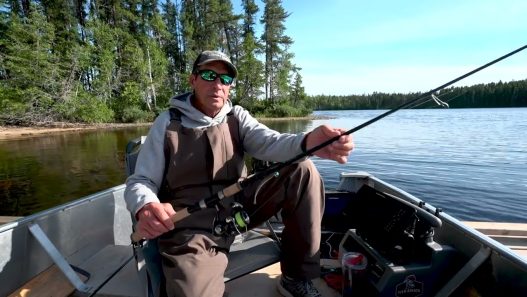
Early spring shrinks an intimidating inland sea down to shoreline reach. Walleyes are tight to the banks that parallel highways; you can launch a 20‑footer with a 250 hp and roam, but you can just as effectively slide a canoe off a public access, or fish from shore with waders. Once the post‑spawn migration pushes these fish to mid‑lake reefs you’ll need calmer days and bigger boats—but right now, everyone gets a crack at trophies.
Gear Up: Jigs That Get It Done
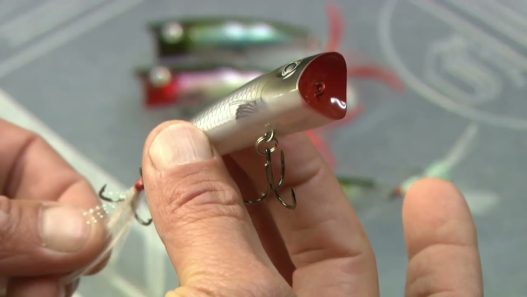
One presentation dominates: the jig. A ¹⁄₁₆‑, ¹⁄₈‑, or ¼‑ounce head covers depths up to six feet without overpowering the bait. Two standouts fill the box:
• VMC Hot Skirt Jig – a classic bucktail collar that flares tantalizingly on the pause.
• VMC Moon Eye Jig – a streamlined head that stays off‑bottom and pops free of gravel. Tip either with a shiner or soft minnow plastic and crawl it just fast enough to maintain bottom contact.
Volume Fishing on the North’s Best Walleye Lakes
Big water doesn’t just hold big fish—it holds numbers of big fish. Imagine 250, even 1,000 walleyes milling within casting range, nets dipping along every boat down a shoreline.
That scene plays out on legendary destinations such as Lake of the Woods, Rainy Lake, and the Great Lakes tributaries each spring. In some systems the run extends into connected rivers; elsewhere it stays lake‑bound, but the common denominator is size—of both the lake and its walleyes.
Boat Control & Stealth: Pinning Down Clear‑Water Giants
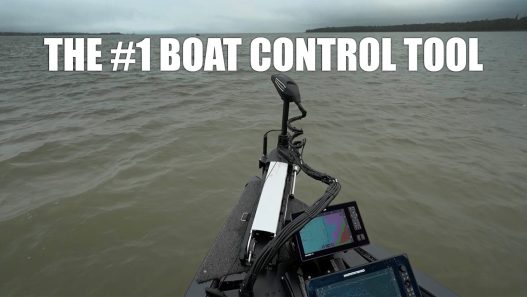
On sprawling, crystal‑clear flats, too much trolling‑motor movement can scatter a school in seconds. Enter the 12‑foot Minn Kota Talon shallow‑water anchor. With one push of a button the boat “pins down,” letting the anglers stay put after each hookup. In active zones you can fish two hours without lifting the spike—turning the hull into a stationary magnet while neighboring boats unknowingly push fish toward you. The result is more strikes and less spooked walleyes in ultra‑clear spring water.
Cadence Counts: Adapting the “Shuffle”
Early‑season water is still cold, so the retrieve is a slow shuffle—lift, follow, and let the jig glide back to bottom. Mid‑summer weed‑bed action demands aggressive pop‑jigging; when fall cools the lake again, the pace returns to a crawl. Match cadence to temperature and you’ll stay in the bite window all year.
Hot Skirts vs. Moon Eye: Two‑Rod Tweaking
Running two distinct jigs side‑by‑side accelerates pattern detection. One angler drags a VMC Hot Skirt dressed with a boot‑tail plastic, the other hops a VMC Moon Eye with a split‑tail. Watch which gets the “boom‑boom‑boom” first, then adjust color, weight, or tail style. A minor swap—from Moon Eye to Hot Skirt—proved decisive on this session, turning lookers into biters.
When Live Bait Rules
If artificial subtlety still isn’t enough, one live bait tops all others right now: spottail shiners. Nothing else in the tank matches their drawing power for post‑spawn females. Thread a shiner onto the same light jig heads and be ready for fireworks.
Forecasting for Gold
Every walleye season boils down to forecasting fish movement—sliding ahead of the school rather than chasing its wake. Monitor wind‑driven warm pockets, gravel‑and‑weed flats, and baitfish plumes, then stake your claim with stealthy boat control and methodical jig work. Put the pieces together and you’ll strike gold on big water, landing the elephants that make spring walleye fishing unforgettable.

