


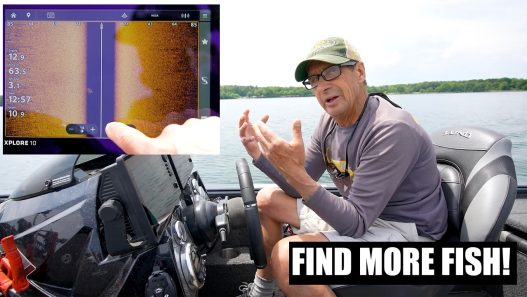

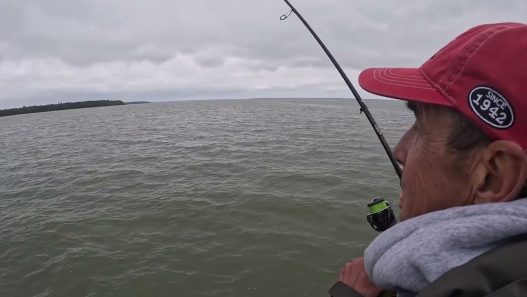

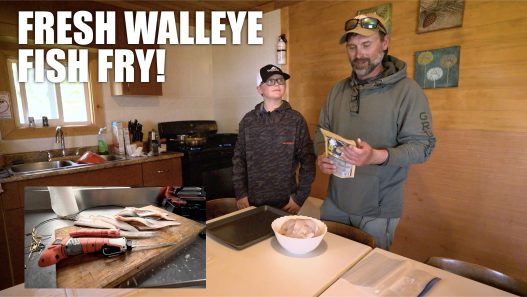




Al Lindner and Ty Sjodin drift and rip deep jerkbaits for big walleyes on Lac Seul, showing a simple approach that most anglers rarely use.
There are days on the water when you lean on experience… and then there are days when a pattern hits so hard, so clean, that it flat-out rewrites how you think about catching fish. This was one of those days.
Ty and I stumbled into something special—something incredibly efficient, incredibly simple—and when it all came together, it was walleyes cast after cast, fish after fish.
The Bait That Changed the Game
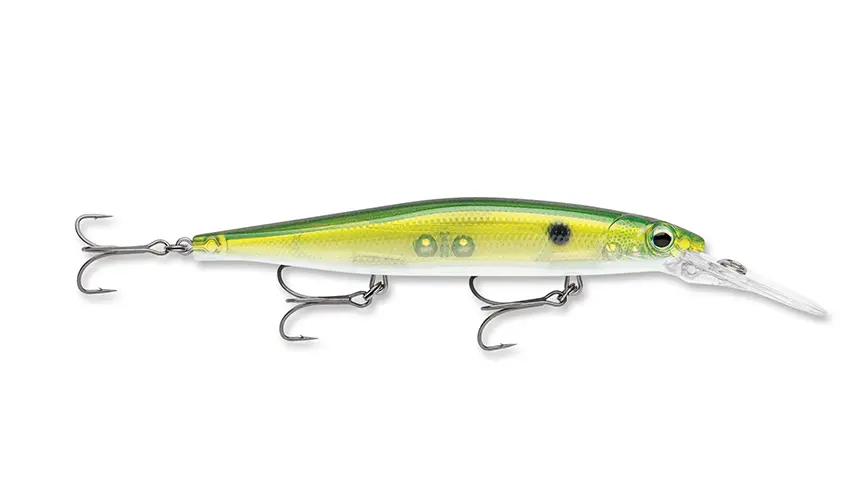
Now, this bait was originally designed with bass in mind—but it didn’t take long to realize just how deadly it is for walleyes. What makes it different isn’t just the depth range—it’s how it behaves on the pause.
Most crankbait trolling is about steady movement. This is different.
With the Rapala PXR Mavrick 110 Deep Jerkbait, the magic happens when you sweep… and pause.
That pause causes the bait to tip slightly nose-down—an unnatural, vulnerable look that triggers walleyes to strike. And that’s exactly when they’re hitting it.
The System: Slip-Drifting for Efficiency
What we were doing isn’t traditional trolling. It’s something I don’t hear talked about much:
Slip-drifting jerkbaits.
Here’s the deal:
- We used the wind to drift naturally along structure
- Controlled speed with the trolling motor
- Made long casts and worked the bait with the rod
- Kept the bait in the strike zone as long as possible
This isn’t rod-holder fishing. You need the rod in your hand.
You’re sweeping that bait forward, letting it glide, and then letting it sit. That’s the trigger. Without that motion, you lose the effectiveness of the bait completely.
Why It Works So Well
Walleyes—especially in clear water—are programmed to feed upward.
On lakes with open water forage like tullibees and whitefish, those fish are used to coming up to eat. So when your bait is running 8–10 feet down over deeper water, you’re right in that feeding “bubble.”
And when you keep it there—slow, controlled, and with that pause—you’re maximizing your time in the strike zone.
That’s efficiency.
And efficiency is everything.
Boat Control: The Real Secret Weapon
We leaned heavily on the Minn Kota Ultrex Quest paired with Humminbird electronics to dial this in.
- Controlled drift speed in light wind
- Followed breaklines and flats precisely
- Used Spot-Lock to reset on key stretches
The goal was simple: long, clean passes over productive water.
Once we found a stretch holding fish, it turned into a conveyor belt.
Gear Breakdown


Rod:
St. Croix Avid Walleye (6’8” Medium Extra-Fast)
- Perfect for sweeping action and hooksets
- Versatile for both casting and drifting
Reel:
Daiwa Prorex MQ LT
- Smooth, reliable, and built for control
- A true upgrade from legacy favorites
Line Setup:
- Sufix 832 Braid mainline
- 10 lb fluorocarbon leader
- Barrel swivel for versatility between techniques
This setup gives you sensitivity, control, and the ability to feel every tick—even on slack line.
Numbers Don’t Lie
We started the day jigging.
Then we switched to this.
The result?
Five-to-one catch ratio.
That’s not a small jump—that’s domination.
And it wasn’t just numbers. We were catching quality fish, including multiple photo-worthy walleyes mixed in with steady action all day.
Where This Shines
This technique excels on:
- Clear water lakes
- Open water forage systems
- Flats adjacent to structure
- Breaklines with wind
It’s also ideal in places where you want to avoid snags—because you’re fishing up in the water column, not grinding bottom.
That’s why it’s a perfect Canadian-style presentation—clean, efficient, and incredibly productive.
I’ve fished a long time. I’ve seen a lot of techniques come and go.
But every once in a while, something comes along that just makes sense.
This is one of those deals.
It’s simple.
It’s efficient.
And when it’s right… it’s unbelievable.
As Ty and I looked at each other in the middle of that bite, there wasn’t much left to say.
Just keep casting.
Keep sweeping.
And hang on.
Because when walleyes decide to eat like that—
you’re in for one heck of a ride.

