








By Jeff Simpson
There are days on the water when everything lines up—and then there are days that make you scratch your head. This was one of those in-between scenarios. A warm, lingering fall had water temperatures still hanging in the 60s, well past when we’d normally expect turnover to push crappies out to the basin. Instead, they were right where you wouldn’t expect them—buried in dense, deep weed beds.
But here’s the deal: when crappies do this, they don’t scatter—they group up. And if you can dial in the system, it turns into one of the most efficient, high-action bites you’ll experience all year.
The System: Swimming Jigs Over Heavy Cover
We weren’t pitching plastics. We weren’t vertical jigging. Instead, we leaned into one of the most underutilized crappie tactics out there—swimming a hair jig over the tops of submerged weeds.
The bait of choice? The VMC Moonfly Jig.
This jig is built with a feathered profile that naturally breathes and holds shape in the water. That’s critical. Unlike plastics, there’s no constant adjustment, no tearing, no wasted time. You cast, retrieve, and fish—over and over again with total efficiency.
Depth Control Is Everything
If there’s one takeaway from this pattern, it’s this:
Most anglers miss fish because they’re fishing too low.
We were positioned over 18 feet of water, but the fish were suspended around 10 feet—right on top of thick coontail and milfoil. That meant counting the jig down and keeping it in that strike zone.
The retrieve is simple:
- Cast long
- Count it down (in this case, to about 10)
- Slowly pull the bait forward
- Pick up slack
- Let it glide and fall slightly
- Repeat
No snapping. No aggressive jigging. Just a controlled swim with subtle rise-and-fall movement.
When you do it right, the jig looks like a minnow lazily cruising above the weeds—and crappies rise out of pockets and crush it.
Boat Control: The Hidden Key
This technique falls apart without proper boat control.
We used Spot-Lock to hold position upwind, then cast with the wind. That’s critical. Casting into or across the wind creates slack and kills sensitivity—two things you cannot afford when bites are subtle.
With a light breeze (around 10 mph), this setup allowed us to:
- Maintain tight line control
- Detect light “ticks” or weight changes
- Keep the jig tracking naturally through the strike zone
It’s not flashy, but it’s deadly effective.
Gear Breakdown: Built for Efficiency
When you’re fishing light jigs at long distances, every component matters.
Line Setup
- Main line: Sufix Revolve (6 lb)
- Leader: 8 lb fluorocarbon
The thin diameter of Revolve allows for long casts—up to 70+ feet, which is huge for covering water on expansive flats.
Rod & Reel
A 7-foot light, extra-fast rod is ideal. We leaned on models from St. Croix Rods—a perfect blend of:
- Fast tip for weed deflection and hooksets
- Soft midsection for fighting crappies with light-wire hooks
Reel-wise, a 1000–2000 size spinning reel is the sweet spot. The standout here was the Daiwa Ballistic MQ LT.
Why it shines:
- Smooth, low-friction performance
- Magsealed construction for durability
- Excellent line management for long casts
Finding the Right Water
Not all weed flats are created equal.
We focused on:
- Deep milfoil and coontail in 16–18 feet
- Subtle irregularities like points on flats
- Areas where weeds topped out around fish depth
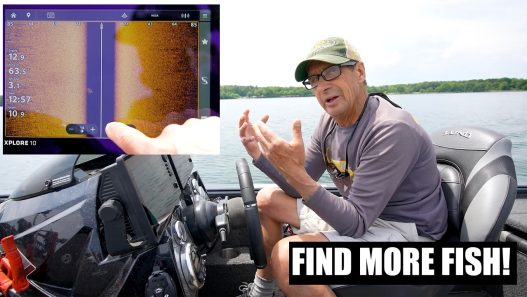
Using electronics with depth highlight features, we isolated key zones quickly. When we found the right depth band—it was game on.
The Bite: Subtle but Addictive
This isn’t a reaction strike where fish hammer the bait every time. Often, it’s:
- A slight “tick”
- A little extra weight
- Or just your line jumping ever so slightly
When it happens, don’t swing for the fences.
Just reel and lean into them.
Why Hair Beats Plastics Here
Let’s be honest—plastics catch fish. But in this scenario, hair jigs dominate.
Why?
- No constant re-rigging
- Better durability
- Natural movement without added action
- More efficient over time
When fish are aggressive and positioned in cover, efficiency equals more fish in the boat.
Fall crappie fishing doesn’t always mean deep basins and slow presentations. Sometimes, the best bite is shallow—hidden in dense weeds where most anglers never look.
Find the right depth. Control your boat. Swim your jig.
And when it all clicks? You’ll experience one of the most fun, fast-paced bites of the season.

