




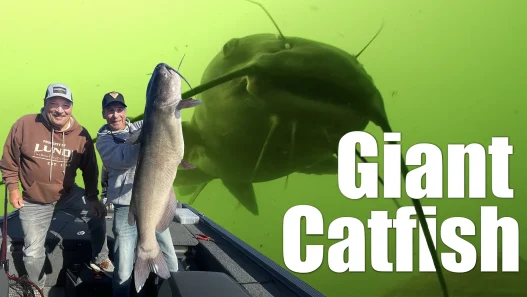






VIDEO: Watch Jeremy Smith and James Lindner with a little primer on Tokyo rigging walleye.
Tokyo Rigging Walleye is the real thing. To consistently catch freshwater and saltwater fish, you must understand your target species’ nature, including their seasonal movements, preferred habitat, and forage preferences.
Today, many lures and rigs are designed for given species and situations. The fact is, many lures and rigs have great crossover applications to multiple species. Walleye can’t tell the difference between a walleye bait or bass bait if it’s about the right size and moving in the correct depth at the right speed — it’s fair game!
A great example would be the lowly Ned rig, a simple small stick worm that catches fish. Smallmouth, largemouth, walleye, and panfish. It’s a bite-size snack the moves slowly, and fish just can’t resist it.
Another lure that has become popular amongst anglers across the country is the swimbait. From its humble beginnings, swimbaits now come in sizes from 1-inch sizes for panfish to 12-inch models that appeal to the largest predators and everything in-between.
The newest rig in bass angling is the Tokyo Rig. Initially designed for fishing heavy weed cover, anglers have since applied Tokyo rigging tactics to different species and angling situations.

Tokyo rigging is a versatile and effective technique that originated in bass fishing but can also be adapted for walleye fishing. It involves using a specialized rig to present a bait in a way that can be particularly enticing to fish. Here’s how you can apply Tokyo rigging for targeting walleyes:
Components of a Tokyo Rig:
• Weight: The Tokyo rig consists of a lead or tungsten weight at the bottom, which provides the necessary casting distance and helps the rig sink to the desired depth.
• Wire: This wire or leader extends from the weight and is where you attach your hook and bait.
• Hook: Use a high-quality hook that is suitable for the size of bait you plan to use. For walleyes, consider a hook size in the range of 2/0 to 4/0.
• Bait Keeper: The Tokyo rig features a bait keeper or coil that holds the soft plastic or live bait in place.
Choosing the Right Bait:
• Soft plastics like crawfish imitations, leeches, and minnow-shaped baits work well for walleyes when used with the Tokyo rig. You can also experiment with live bait options like nightcrawlers or leeches.
Presentation:
• Tokyo rigging allows for a unique presentation. Cast it out and let it sink to the desired depth. Retrieve it with a slow and steady drag, occasionally pausing to let the bait flutter and create a natural, enticing movement.
Adjusting for Depth and Structure:
• Use different weight sizes to control the depth at which you’re fishing. Lighter weights for shallower water, and heavier weights for deeper water or when there’s current. Pay attention to the structure where walleyes are likely to be holding, and adjust your rig accordingly.
Experiment with Colors and Sizes
• Depending on water clarity and light conditions, different colors and sizes of soft plastics may be more effective. Natural colors like green pumpkin or black, as well as brighter colors like chartreuse, can all be successful.
Stay Mindful of the Hook Set:
• Given the nature of the Tokyo rig, walleyes may grab the bait and not immediately feel the hook. Be vigilant with your hook set to ensure a solid connection.
Remember, fishing success can vary depending on factors like water temperature, time of day, and local conditions. Be willing to experiment and adapt your Tokyo rig setup until you find what works best for catching walleyes in your specific location.

