









How to Become an Expert at Bass Fishing Cabbage Weeds: Strategies, Equipment, and Tactics
When fishing for largemouth bass, walleyes, northern pike, and muskies, particularly during the middle of the summer months, fishing in cabbage weed beds is a highly effective method of targeting these species.
Fish prefer to feed in these weed structures because they provide the ideal combination of cover and oxygenation, making them ideal feeding zones.
Here, we will discuss the most effective strategies, gear recommendations, and techniques for controlling the boat that will assist you in becoming an expert at weed fishing for bass.
Why Cabbage Weeds Are So Popular With Large Bass
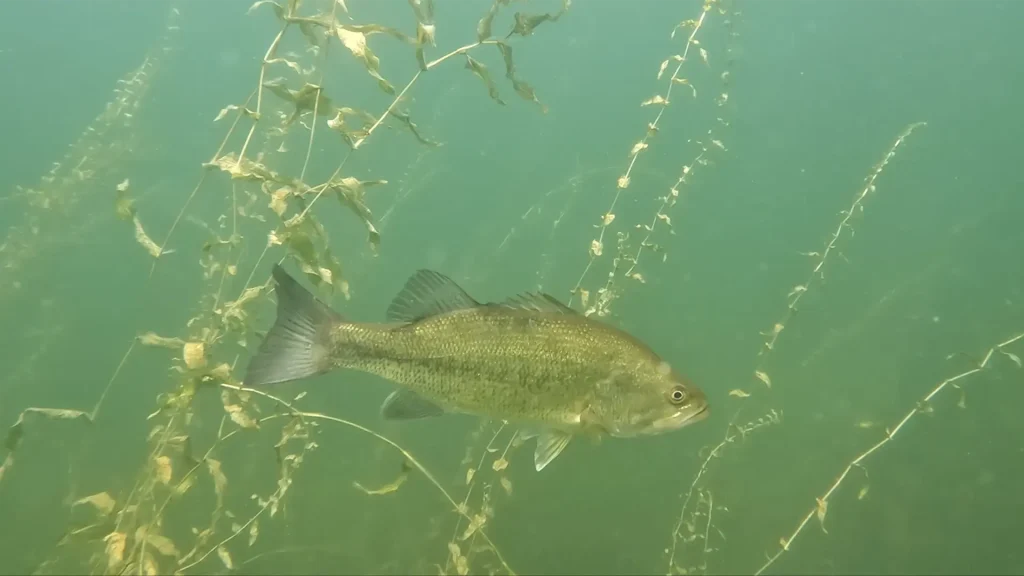
One of the distinctive characteristics of cabbage weeds is that they grow vertically at depths ranging from four to fifteen feet. They offer protection and refuge for both baitfish and bass.
Seasonal transitions in weeds are essential. At the beginning of the year, bass can be found in weeds that are emerging from the ground. They are most likely found in more profound, fully grown cabbage beds during the middle of summer. As the summer and fall close, they transition to coontail weeds, which can grow up to 22 feet deep.
If you want to catch bass consistently, you need to be aware of the different types of weed that they use at different times of the year.
Fishing Methods That Are Most Effective for Cabbage Beds
- For the greatest extent of success, use vertical baits.
The best way to catch bass is to cast short, precise casts rather than long casts because bass like to hide deep in cabbage weeds. In order to get a bite, you need to make sure that your bait is lowered into the weeds in a single motion.
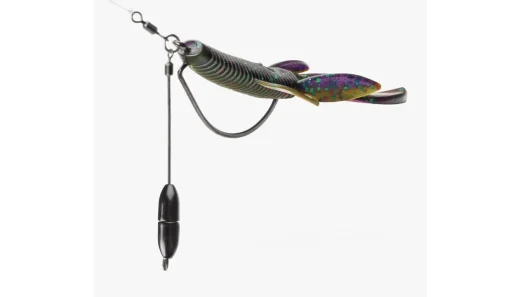
Examples of baits that are effective include Texas rigs, jigs, Tokyo rigs, punch baits, and jigs. The Expert’s Advice: “Make short casts, get the bait to the bottom, and shake it in place to draw fish out of cover.”
- The Equipment Required for Weed Fishing
When trying to extract bass from thick cover, having the appropriate equipment is absolutely necessary.
Recommendations
Made for Rods:
The 7’6″ Heavy Power St. Croix Legend Tournament Rod is an excellent choice for punching and flipping weeds while fishing. The 7’4″ Heavy Power St. Croix Physics Rod is a rod that is designed specifically for fishing in dense cover.
Line and Reel:
• Daiwa Elite Pitching Flip Reel, which has a gear ratio of 8.1:1 and allows for efficient hook engagement. The Sufix 832 Braid, which weighs fifty pounds, is robust enough to cut through dense weeds.
Weights and Hooks:
• VMC Redline Hooks (in sizes 3/0, 4/0, or 5/0) • Punch Weights (three quarters of an ounce) – These weights help to keep bait in place for a longer period of time. The Snell Knot Technique is a technique that boosts hook sets in heavy cover.
How to Determine the Appropriate Weed Depth
4-6 feet – This depth zone is ideal for large bass, as it includes a concentration of baitfish. Eight to ten feet is the secondary weed line. 12-14 feet are the deepest weed beds, and because there are fewer baitfish in these beds, they hold fewer bass.
Because bluegills had not yet moved into deeper weed lines, larger bass were feeding in shallower water. This was due to the depth of the water. In light of this, it is clear why it is essential to comprehend the movement of baitfish in order to locate bass.
Controlling the boat and positioning it in order to catch more fish will be discussed. When it comes to shallow water (less than 11 feet), Talon Anchors are the most suitable option.
• The Minn Kota Trolling Motor has a Spot-Lock feature that works well in water that is deeper than 12 feet. Maintaining your position allows you to methodically work through weed beds and increase the number of bites you receive.
Understanding the techniques of weed fishing can significantly improve your chances of success, regardless of whether you are an experienced angler or are just beginning your bass fishing journey.
Tracking the movement of baitfish to determine the appropriate weed depth is crucial. Remaining in the strike zone requires slowing down and properly positioning the boat. When it comes to bass fishing in weeds, what is your go-to casting technique?
Tell us what you think by leaving a comment below!

