








Some of the most fun fishing you can have any time of year is when fish are shallows, and shallow water bass are often easy to catch. Largemouth bass are no exception. In the early season, skinny water can present some real roll up your sleeves stuff—pursuing bass where they have nowhere else to go but up.
It’s power fishing, put the pedal to the metal and chunk and wind.
The name of the game? Look in the shallows for aggressive fish that want to bite. And in these conditions — watch them bite! 
This presentation tactic can work in the spring, summer, or fall… but sometimes are better than others.
In the North Country, not too long after ice-out is a perfect time period with many fish seeking warmer water and the forage pushed into shallow depths. The cover is generally sparse and horizontal moving baits have a tendency to work very effectively: spinnerbaits, swim jigs, swimbaits, shuddering baits, and the like.
And hey, let’s face it, after a long winter, it’s just nice to get back out on the water and cast, and catch, no matter what the species is.
With spring starting to warm the shallows, the duo finds bass seeking out warmer water temps and the food pushed into the same locations. Definitely the recipe for some fun early-season action, as they chase skinny water bass.
There’s something inherently thrilling about early-season bass fishing in shallow water. For anglers like Al and James Lindner, it represents the ultimate opportunity to shake off winter and jump right into action. When largemouth bass push into skinny water with nowhere to go but up, the stage is set for some of the most exciting and accessible fishing of the year. This isn’t about finesse—this is pedal-to-the-metal, power fishing, the kind where you “chunk and wind” in search of willing biters.
As spring breathes life into northern lakes, bass follow the warmth, converging in the shallows. They’re often driven by a mix of temperature, forage, and instinct. In these early days after ice-out, horizontal-moving baits like spinnerbaits, swim jigs, and vibrating jigs excel—tools designed for speed, reaction strikes, and covering water efficiently.
Timing the Shallow Bite
While the shallow water bite can be productive throughout the year, the post-ice-out period in the North Country—Minnesota, Wisconsin, Michigan, the Dakotas—is uniquely special. Bass rush to warm, shallow flats where food is abundant and water temperatures rise quicker. These areas often lack heavy cover early in the season, making them ideal for high-speed presentations. The Lindners head out on a Midwestern natural lake with exactly this in mind, eager to connect with fish that have been dormant through a long winter.
The Northern Strain Advantage
Not all bass are created equal, and understanding regional differences is essential. Northern strain largemouths are notably hardier than their southern counterparts, adapted to long winters and abrupt changes in temperature. While southern bass may be sensitive to slight drops in temperature and spawn over several months, northern bass tend to spawn as soon as conditions allow, quickly and aggressively.
The difference in resilience is stark. In fact, some anglers have found success targeting largemouth bass through ice or immediately after ice-out in northern waters. These fish are built to survive in tough conditions and are ready to feed hard when the opportunity arises.
Shallow Habits and Smart Fishing
The behavior of bass is dictated by environment. Knowing the basic nature of the fish—its seasonal rhythms, habitat preferences, and regional tendencies—is critical to success. From there, choosing the right location and lures becomes far more intuitive. As James explains, the bite they’re on is slow but reliable. Fish are staging—gathering on pre-spawn structure like rocky ridges near back bays. These areas, often warmed by the sun and hit by spring winds, draw fish that will soon move even shallower to spawn.
Identifying these staging spots is key. A shallow ridge with warm water and wind exposure can concentrate fish looking to move into bays to spawn. Understanding the subtleties of where these transitions happen turns a tough early-season day into a productive one.
Matching Baits to Conditions
In muddy or dark water, subtlety won’t cut it. Al and James make strategic adjustments to their approach. Instead of relying on traditional swim jigs or jerkbaits—often less effective in low visibility—they switch to high-output lures like spinnerbaits and vibrating jigs. Al highlights the Terminator Shudderbait, a new vibrating jig with a unique design that creates aggressive vibration and noise, making it easier for bass to locate in stained water.
Spinnerbaits and vibrating jigs are proven tools in muddy conditions, not just because of their flash, but due to the water displacement and sound they produce. Paired with the right trailer, these baits become bass magnets when visibility is low.
Why Do Bass Move Shallow?
There’s no single answer to why bass move into the shallows—it’s a stackable set of reasons: food, weather, instinct, and habitat. In rivers, rising water can push bass shallow. In summer, they chase bait into weedy slop. In fall, they cruise flats for a final feeding frenzy. In spring, nature guides them toward shallow spawning areas that are typically warmer and rich in forage.
Understanding these overlapping drivers gives anglers an edge. When multiple positive elements—warmer water, food, cover, and seasonal instinct—come together in one location, bass fishing can be outstanding.
The Joy of the First Bite
After months of waiting, there’s nothing like the feel of that first solid hookup. It’s not just about the fish—it’s about the release, the return, the reconnection with the water. Al expresses it best: “Do you ever dream about fish?” For many, the answer is yes—and spring largemouth in skinny water is what those dreams are made of.
Stay tuned for the next part of the blog, where we dive deeper into bait setups, trailer selection, and refined techniques for maximizing your success during this incredible shallow water window.
Fine-Tuning the Bite: Trailer Shapes and Ideal Setup
When it comes to dialing in the perfect bass presentation using bladed jigs like the Shutterbait, trailer selection makes all the difference. There are four main trailer shapes that consistently produce results:
1 Boot Tail – Exemplified by the Big Bite Cane Thumper or Suicide Shad, these add thumping vibration and lift.
2 Crawfish Profile – Like the Big Bite Swimmin’ Craw, these mimic bottom-feeding forage and create a natural, erratic movement.
3 Fat Grub – The 4-inch Big Bite Fat Grub provides a full-bodied, steady swimming action.
4 Minnow Profile – A 5-inch Jerk Minnow is ideal for imitating fleeing baitfish, giving off subtle vibrations that can trigger reaction strikes.
A pro tip: applying a small dab of Super Glue to the nose of your plastic helps it stay attached longer, extending the life of your bait—especially when the bite is hot. But remember, you need to cycle through these trailer styles. Let the fish tell you what they want on that particular day.
The Importance of the Right Gear
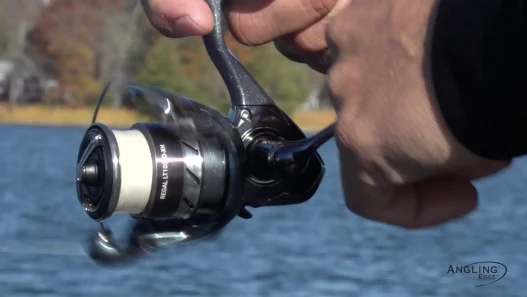
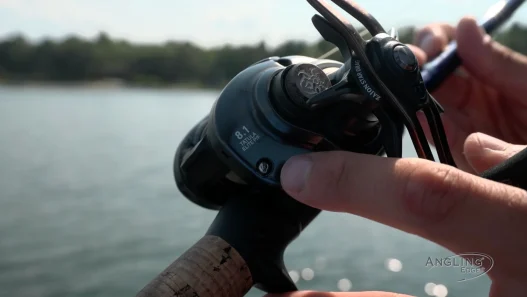
Just as critical as the bait itself is the setup you use to fish it. The team demonstrates the value of a forgiving, moderate-action rod to get the most out of vibrating baits like the Shutterbait. In this case, a St. Croix Legend Glass 7’2″ Medium Action Rod is paired with 14-pound Sufix fluorocarbon line and a 6.3:1 Daiwa baitcasting reel.
The softer rod action ensures fish can overtake the bait, especially since these presentations are reeled steadily, similar to crankbaits. Unlike jig fishing where a sharp hookset is essential, here, you let the fish load up the rod and simply reel into them.
If you move the bait too fast or snap-set, you’re likely to miss the fish. Steady retrieve with subtle, intermittent twitches is the key. You’ll know you’ve got a bite when the rod slowly loads up—it’s a tactile sensation that seasoned anglers know well.
Vibration + Versatility = Success
This style of fishing plays especially well in shallow spring conditions. On this trip, water temperatures ranged from 48°F in the morning to nearly 77°F later in the day, a stark rise in just hours. Fish respond quickly in these natural northern lakes; just a week after ice-out, they are already pushing into back bays and shallows, drawn by the warming water.
That’s where blade jigs shine—covering water quickly while offering a strong visual and vibration profile. Alongside crankbaits, spinnerbaits, and rattlebaits, blade jigs have proven themselves as year-round producers, not just spring favorites. In fact, many major tournaments have been won with these lures, a testament to their consistency and power.
Big Fish and New Gear
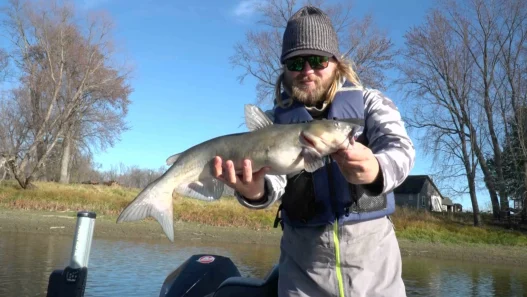
During this session, the anglers landed multiple trophy-sized largemouth using the exact techniques described—underscoring the effectiveness of the method. The thrill of connecting with such fish, especially so soon after ice-out, reinforces the magic of early-season fishing.
And for the crew, it’s more than just catching fish—it’s about testing new gear. From freshly rigged Lund boats with Minn Kota and Humminbird electronics, to the latest St. Croix rods and Daiwa reels, this outing was a testbed for innovation.
There’s an undeniable excitement when the season kicks off and new tools meet old knowledge. Whether you’re chasing walleye, bass, musky, or crappie, exploring new baits and techniques adds a spark to every spring outing.
Mastering Early Season Bass Fishing with Bladed Jigs: Techniques, Gear, and Inspiration from the Water
The Four Essential Trailer Shapes
When it comes to fishing bladed jigs like the Shutterbait, there are four main trailer shapes that consistently produce results. These shapes are designed to offer different profiles, vibrations, and actions, giving you the ability to fine-tune your presentation to what the fish are keying in on:
1 Boot Tail – Examples include the Big Bite Cane Thumper and the Suicide Shad, offering a thumping action that mimics baitfish.
2 Crawfish Profile – The Swimmin’ Craw is a solid choice, giving a more subtle, bottom-dwelling imitation.
3 Fat Grub – The Big Bite 4-inch Fat Grub delivers a classic, pulsing tail movement.
4 Minnow Profile – The 5-inch Jerk Minnow represents a more natural baitfish shape, ideal for clear water or pressured fish.
A dab of Super Glue on the nose of your plastic trailer can greatly extend its life on the hook—one small detail that makes a big difference. It’s crucial to cycle through these shapes because on any given day, one will outproduce the others. Let the fish tell you what they want.
The Ideal Rod, Reel, and Line Setup
Like many techniques in bass fishing, fishing bladed jigs is highly presentation-specific. Gear selection plays a critical role in success. A soft-action rod, such as the St. Croix Legend Glass 7’2″ Medium, is ideal for this technique. The soft tip allows fish to overtake the bait, similar to crankbait fishing, and offers forgiveness on hooksets.
Pair this rod with a 6.3:1 Daiwa reel and 14-pound Sufix fluorocarbon line. The idea is to reel steadily, with intermittent twitches to add a change in cadence. When a fish bites, the rod simply loads up—there’s no need for a hard hookset. In fact, moving the bait too fast or setting the hook too aggressively can pull it right out of the fish’s mouth.
Capitalizing on Spring Water Temperatures
The early spring bite is special. On natural northern lakes, fish respond quickly to warming water. Just a week after ice-out, back bays can hit 57°F, and bass are already there, feeding aggressively. It’s an incredible transition to witness and capitalize on.
During this period, moderate to slow-moving chase baits—like spinnerbaits, crankbaits, and rattlebaits—excel. But blade jigs like the Shutterbait have become a dominant force not just in early season, but year-round, especially in tournament fishing.

